EN
EN


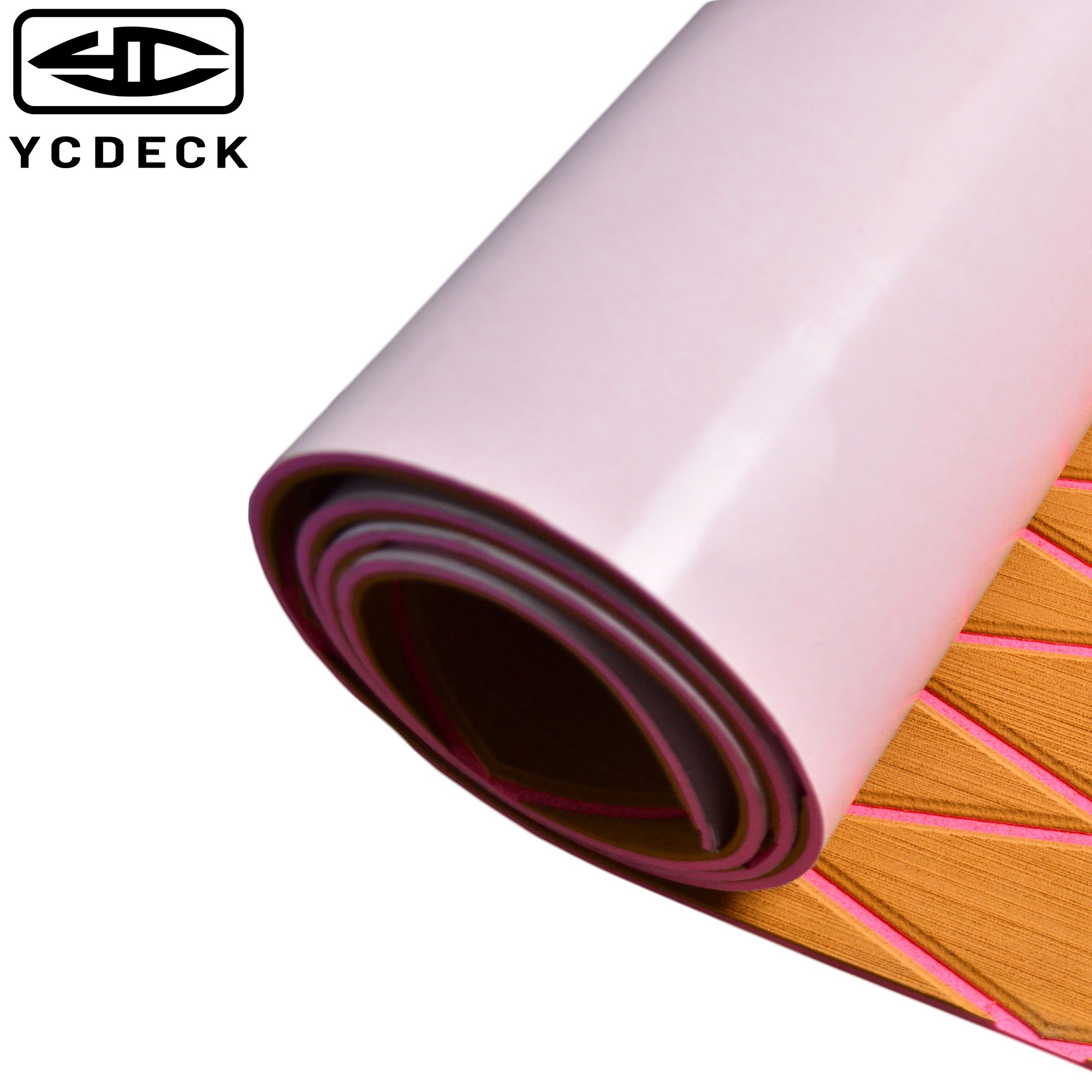
Marine enthusiasts and boat manufacturers increasingly recognize the transformative potential of EVA foam decking in creating distinctive vessel aesthetics while maintaining superior functionality. This innovative material offers unprecedented customization possibilities that allow boat owners to achieve unique deck designs tailored to their specific vision and operational requirements. The versatility of EVA foam decking extends far beyond traditional marine flooring solutions, providing endless opportunities for personalization that enhance both visual appeal and practical performance on the water.
The marine industry has witnessed a significant shift toward personalized vessel designs, with boat owners seeking materials that combine durability, safety, and aesthetic flexibility. EVA foam decking emerges as the ideal solution, offering exceptional customization capabilities that traditional materials simply cannot match. This advanced synthetic material provides boat designers and owners with the freedom to create truly distinctive deck surfaces that reflect personal style while delivering uncompromising performance in challenging marine environments.
Understanding EVA Foam Material Properties for Customization
Chemical Composition and Structural Benefits
Ethylene Vinyl Acetate represents a copolymer material that exhibits remarkable flexibility in both physical properties and design applications. The molecular structure of EVA foam allows for extensive customization without compromising the material's inherent strength and resilience. This unique composition enables manufacturers to modify density, hardness, and surface characteristics while maintaining the material's excellent resistance to UV radiation, saltwater exposure, and temperature fluctuations that are common in marine environments.
The closed-cell structure of EVA foam provides exceptional water resistance and buoyancy characteristics that make it ideally suited for marine applications. This cellular composition also contributes to the material's ability to accept various customization techniques, including color integration, texture modification, and dimensional shaping. The inherent flexibility of EVA foam decking allows for complex curved installations that conform to unique boat hull designs and architectural features.
Customization-Friendly Material Characteristics
EVA foam exhibits exceptional workability that facilitates numerous customization approaches during manufacturing and installation processes. The material's thermoplastic properties allow for heat-forming techniques that enable precise shaping to match specific deck contours and design requirements. This thermal responsiveness, combined with the material's resistance to cracking and splitting, ensures that customized installations maintain their integrity over extended periods of marine use.
The material's ability to bond effectively with various adhesives and treatments opens possibilities for incorporating additional functional elements into custom deck designs. These bonding characteristics enable the integration of anti-slip textures, decorative inlays, and specialized surface treatments that enhance both safety and aesthetic appeal. The compatibility of EVA foam with different finishing techniques allows for virtually unlimited customization possibilities that can satisfy even the most demanding design specifications.
Color and Pattern Customization Techniques
Advanced Color Integration Methods
Modern manufacturing techniques enable the integration of custom colors directly into the EVA foam structure during the production process, ensuring long-lasting color stability and resistance to fading. This pigment integration approach provides superior color retention compared to surface-applied coatings, as the color penetrates throughout the material thickness. The ability to achieve precise color matching allows boat owners to coordinate their deck surfaces with existing vessel color schemes or create entirely new aesthetic themes.
Multi-color combinations and gradient effects can be achieved through specialized molding processes that blend different colored EVA compounds during formation. These techniques enable the creation of complex color patterns, marble effects, and custom designs that would be impossible to achieve with traditional marine decking materials. The color stability of integrated pigments ensures that custom color schemes maintain their vibrancy even under intense UV exposure and harsh marine conditions.
Pattern Design and Implementation
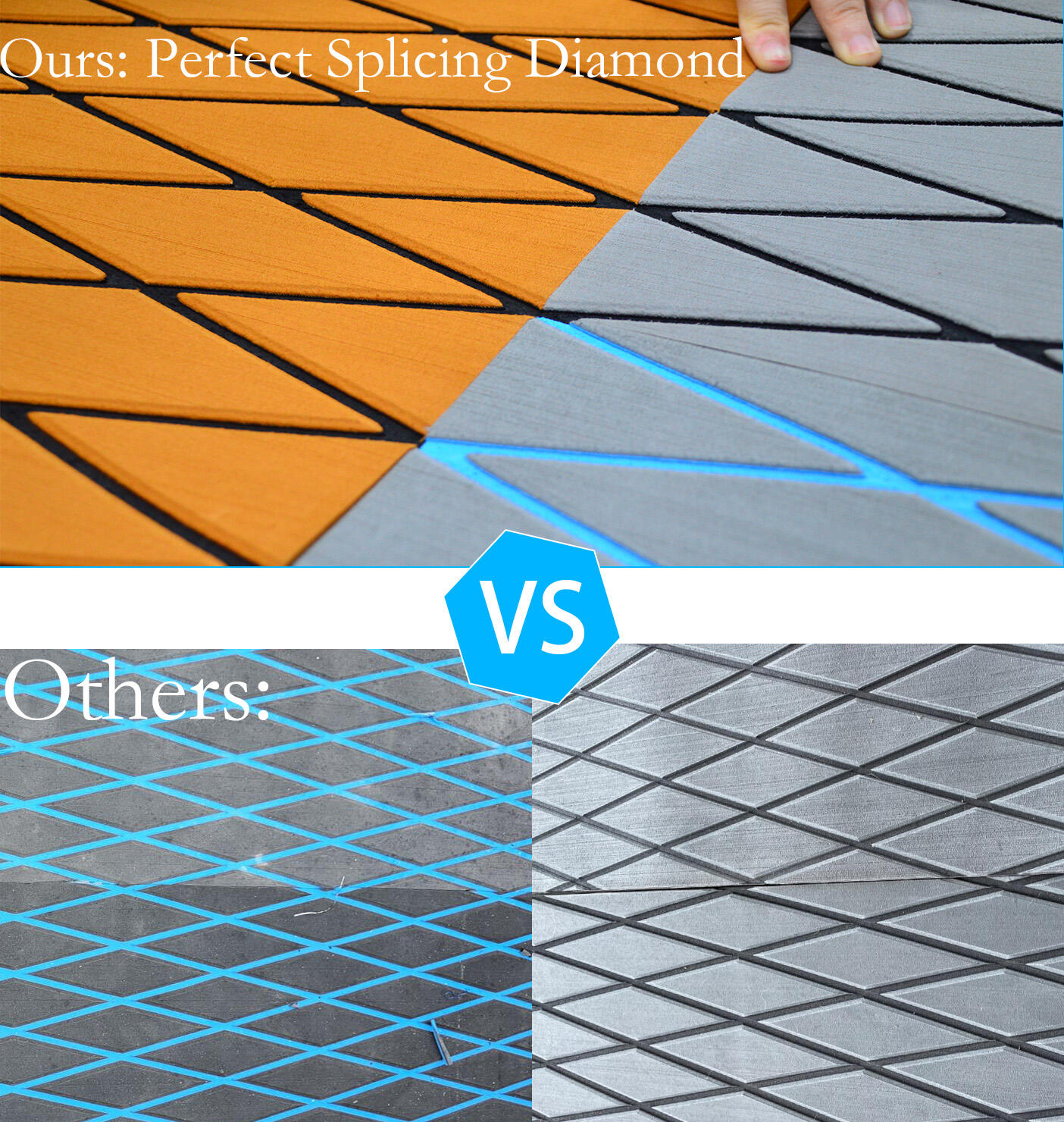
Surface patterning represents one of the most visible customization aspects of EVA foam decking, with numerous techniques available for creating distinctive visual and tactile experiences. Embossed patterns can be integrated during the molding process, creating three-dimensional surface textures that serve both aesthetic and functional purposes. These patterns range from geometric designs and nautical motifs to custom logos and personalized graphics that reflect the boat owner's individual style preferences.
Digital printing technologies have revolutionized pattern application possibilities, enabling the reproduction of photorealistic images, complex graphics, and intricate designs on EVA foam surfaces. This printing capability allows for the incorporation of wood grain patterns, stone textures, and artistic designs that create the appearance of premium materials while maintaining the practical advantages of EVA foam. The durability of modern printing techniques ensures that custom patterns withstand marine environmental challenges without degradation or wear.
Dimensional Customization and Shaping Options
Precision Cutting and Sizing Solutions
Water-jet cutting technology provides exceptional precision in creating custom-shaped EVA foam decking pieces that conform to irregular deck geometries and unique design requirements. This cutting method produces clean, accurate edges that eliminate the need for extensive finishing work while ensuring perfect fit during installation. The ability to cut complex curves, angles, and intricate shapes allows for seamless integration with existing deck hardware, fixtures, and architectural elements.
Computer-controlled cutting systems enable the production of interlocking pieces and modular sections that facilitate easier installation and future maintenance access. These precision-cut sections can incorporate custom edge profiles, beveled transitions, and integrated drainage channels that enhance both functionality and visual appeal. The accuracy of modern cutting techniques ensures consistent dimensions across multiple pieces, enabling perfect alignment and professional-quality installations.
Three-Dimensional Forming Capabilities
Thermoforming processes allow EVA foam decking to be shaped into complex three-dimensional configurations that match curved deck surfaces and architectural features. This forming capability enables the creation of custom step treads, helm pad configurations, and integrated seating surfaces that provide seamless transitions between different deck levels. The material's ability to maintain its shape after forming ensures long-term dimensional stability in marine environments.
Advanced molding techniques can produce EVA foam sections with integrated functional features such as non-slip grooves, drainage channels, and equipment mounting recesses. These formed features eliminate the need for separate components while providing enhanced functionality and streamlined appearance. The precision possible with modern forming equipment ensures that custom-shaped sections maintain consistent thickness and material properties throughout their complex geometries.
Texture and Surface Treatment Customization
Anti-Slip Surface Modifications
Safety considerations drive many texture customization decisions for EVA foam decking installations, with numerous surface treatment options available to enhance grip and traction characteristics. Micro-textured surfaces can be created during manufacturing to provide subtle anti-slip properties without compromising comfort for barefoot use. These textures can be customized to match specific grip requirements for different deck areas, from high-traffic walkways to leisure seating zones.
Aggressive texturing options provide enhanced safety in critical areas such as steps, work platforms, and wet deck surfaces where maximum traction is essential. These treatments can be applied selectively to specific zones while maintaining smoother textures in comfort areas. The ability to vary texture intensity across a single deck surface allows for optimal safety performance while preserving aesthetic continuity and user comfort.
Decorative Surface Enhancements
Embossed textures and surface treatments can transform EVA foam decking into convincing replications of premium materials such as teak, bamboo, or natural stone. These decorative treatments provide the visual appeal of expensive materials while maintaining the practical advantages and cost-effectiveness of EVA foam. The durability of integrated textures ensures that the decorative appearance remains consistent throughout the material's service life.
Custom surface treatments can incorporate branding elements, decorative borders, and artistic designs that personalize deck surfaces according to individual preferences. These treatments can be applied through various methods including hot stamping, chemical etching, and laser engraving techniques that produce permanent surface modifications. The versatility of surface treatment options enables the creation of unique deck designs that reflect personal style while maintaining functional performance requirements.
Functional Integration and Performance Enhancement
Specialized Performance Features
Custom EVA foam decking can incorporate specialized performance characteristics tailored to specific marine applications and user requirements. Enhanced UV resistance formulations provide extended service life in high-exposure environments, while modified density configurations optimize comfort and durability balance. These performance customizations ensure that the decking material performs optimally in its intended application environment.
Thermal properties can be customized to address specific climate conditions and usage patterns, with formulations available that provide enhanced heat resistance or improved insulation characteristics. Chemical resistance modifications enable EVA foam decking to withstand exposure to specific cleaning agents, fuels, and marine chemicals without degradation. These performance enhancements can be integrated without compromising the material's customization flexibility or aesthetic appeal.
Integration with Marine Systems
Advanced customization techniques enable the integration of EVA foam decking with various marine systems and equipment installations. Custom-formed sections can incorporate channels for electrical wiring, plumbing lines, and control cables while maintaining smooth surface appearance. These integrated solutions eliminate the need for separate conduits and covers while providing protected routing for essential boat systems.
Modular designs can incorporate removable sections that provide access to underlying systems and equipment for maintenance purposes. These access panels can be designed to match surrounding deck appearance while providing convenient service access when required. The ability to customize mounting systems and hardware integration ensures seamless compatibility with existing boat systems and future upgrade requirements.
Installation Considerations for Custom Designs
Preparation and Planning Requirements
Successful installation of customized EVA foam decking requires careful planning and preparation to ensure optimal results and long-term performance. Detailed measurements and templating procedures must account for deck irregularities, hardware locations, and expansion considerations that could affect fit and appearance. Professional installation planning includes evaluation of substrate conditions, drainage requirements, and access needs for future maintenance activities.
Environmental considerations during installation include temperature and humidity conditions that can affect adhesive performance and material handling characteristics. Installation scheduling must account for curing times and weather conditions that ensure proper bonding and dimensional stability. Proper preparation techniques ensure that custom installations achieve their intended appearance and performance characteristics from the initial installation through years of marine service.
Quality Control and Finishing Techniques
Professional installation of custom EVA foam decking requires attention to detail in edge finishing, seam alignment, and surface preparation that ensures a premium appearance. Quality control procedures include verification of dimensions, color matching, and pattern alignment before final installation. These procedures prevent costly corrections and ensure that the finished installation meets the customer's expectations and specifications.
Final finishing techniques include edge sealing, surface cleaning, and protective treatments that enhance the longevity and appearance of custom installations. Professional finishing ensures that all seams are properly sealed against water intrusion while maintaining the visual continuity of custom patterns and colors. Proper finishing techniques contribute significantly to the overall success and durability of customized EVA foam decking installations.
FAQ
What are the typical lead times for custom EVA foam decking orders
Custom EVA foam decking projects typically require 2-4 weeks for production after design approval, depending on the complexity of customization requirements and current production schedules. Simple color and size customizations may be completed more quickly, while complex pattern integration and specialized forming may require additional time. Rush orders may be accommodated for urgent projects, though additional costs may apply for expedited production scheduling.
How does weather resistance compare between different EVA foam formulations
Marine-grade EVA foam formulations provide excellent resistance to UV radiation, saltwater exposure, and temperature extremes, with UV-stabilized compounds offering enhanced longevity in high-exposure applications. Standard formulations provide adequate weather resistance for most marine environments, while premium formulations include additional protective additives for extreme conditions. Proper formulation selection based on intended use environment ensures optimal long-term performance and appearance retention.
Can existing deck surfaces be retrofitted with custom EVA foam decking
Most existing deck surfaces can accommodate EVA foam retrofit installations with proper preparation and adhesive selection. Fiberglass, aluminum, and wood substrates typically provide suitable bonding surfaces when properly cleaned and prepared. Substrate evaluation may be necessary to determine the best installation approach and adhesive system for specific applications, ensuring secure attachment and long-term reliability.
What maintenance requirements apply to customized EVA foam installations
Customized EVA foam decking requires minimal maintenance, typically involving regular cleaning with mild soap and water to maintain appearance and performance. Periodic inspection of seams and edges helps identify any areas requiring attention before problems develop. Protective treatments and sealers may be applied periodically to enhance longevity and appearance, though the frequency depends on environmental exposure and usage intensity.