EN
EN


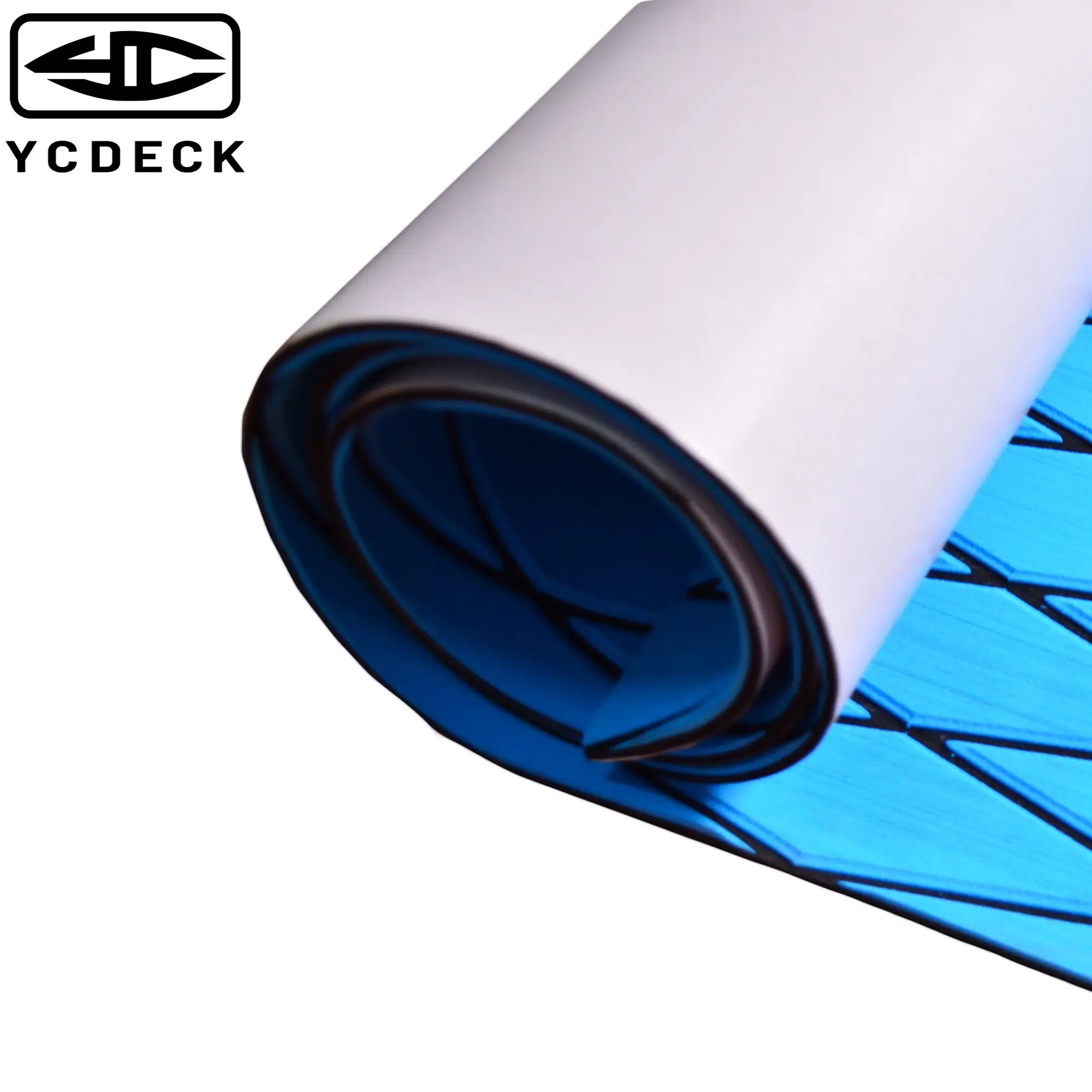
Marine vessel maintenance represents one of the largest ongoing expenses for commercial boat and yacht owners. Traditional flooring materials require frequent replacement, extensive cleaning, and costly repairs due to constant exposure to harsh marine conditions. Modern EVA foam boat flooring has emerged as a revolutionary solution that dramatically reduces these maintenance burdens while enhancing safety and performance. This advanced synthetic material offers superior durability, weather resistance, and easy maintenance compared to conventional decking options, making it an increasingly popular choice among maritime professionals seeking cost-effective solutions.
Understanding EVA Foam Technology in Marine Applications
Composition and Material Properties
Ethylene-vinyl acetate copolymer foam represents a significant advancement in marine flooring technology. This closed-cell foam structure provides exceptional water resistance while maintaining flexibility and comfort underfoot. EVA foam boat flooring contains no harmful chemicals or plasticizers, making it safe for both marine environments and human contact. The material's molecular structure creates a barrier against moisture penetration, preventing the rot and degradation commonly experienced with traditional materials.
The foam's unique cellular composition allows it to compress under load while returning to its original shape, providing excellent shock absorption and fatigue reduction for crew members during extended periods at sea. This resilience factor contributes significantly to reduced maintenance costs as the material maintains its structural integrity under repeated stress cycles. High-quality EVA foam exhibits excellent UV stability, crucial for marine applications where prolonged sun exposure can quickly degrade inferior materials.
Marine-Specific Design Features
Modern EVA foam boat flooring incorporates specialized features designed specifically for maritime environments. Anti-slip surface textures provide superior traction even when wet, reducing accident risks and associated liability costs. Self-adhesive backing systems eliminate the need for complex installation procedures, reducing labor costs and enabling quick repairs when necessary. The material's flexibility allows it to conform to curved surfaces common in boat construction without creating stress points that could lead to premature failure.
Temperature resistance capabilities enable EVA foam boat flooring to perform consistently across extreme weather conditions, from freezing winter storage to tropical summer operations. This thermal stability prevents cracking, warping, and dimensional changes that plague traditional materials, eliminating seasonal maintenance requirements. Color-through construction ensures that surface wear does not expose different-colored substrate layers, maintaining appearance longer and reducing replacement frequency.
Cost Reduction Through Durability and Longevity
Extended Service Life Compared to Traditional Materials
Traditional marine flooring materials typically require replacement every two to five years depending on usage intensity and environmental exposure. EVA foam boat flooring can provide service life exceeding ten years under similar conditions, representing substantial long-term savings. The material's resistance to cracking, peeling, and delamination eliminates the progressive deterioration patterns that force premature replacement of conventional options. This extended lifespan directly translates to reduced material costs, labor expenses, and operational downtime.
Comparative lifecycle analysis demonstrates that while initial investment in quality EVA foam boat flooring may exceed traditional options, the total cost of ownership proves significantly lower. Reduced replacement frequency means fewer disruptions to commercial operations, maintaining revenue streams that might otherwise be interrupted by maintenance downtime. The material's consistent performance characteristics throughout its service life eliminate the gradual degradation that reduces vessel functionality and safety margins over time.
Resistance to Common Marine Hazards
Saltwater exposure causes rapid deterioration in many traditional flooring materials through corrosion, osmotic blistering, and chemical degradation. EVA foam boat flooring exhibits exceptional resistance to saltwater damage, maintaining its properties even after years of continuous exposure. The material's closed-cell structure prevents salt crystal formation within the foam, eliminating the internal expansion forces that can cause structural failure in porous materials.
Fish blood, cleaning chemicals, and petroleum products commonly encountered in commercial marine operations can permanently stain or damage traditional flooring. EVA foam boat flooring resists chemical attack from these substances while allowing easy cleanup without specialized cleaning products or procedures. This chemical resistance eliminates the need for frequent deep cleaning treatments and reduces the risk of permanent damage requiring section replacement.
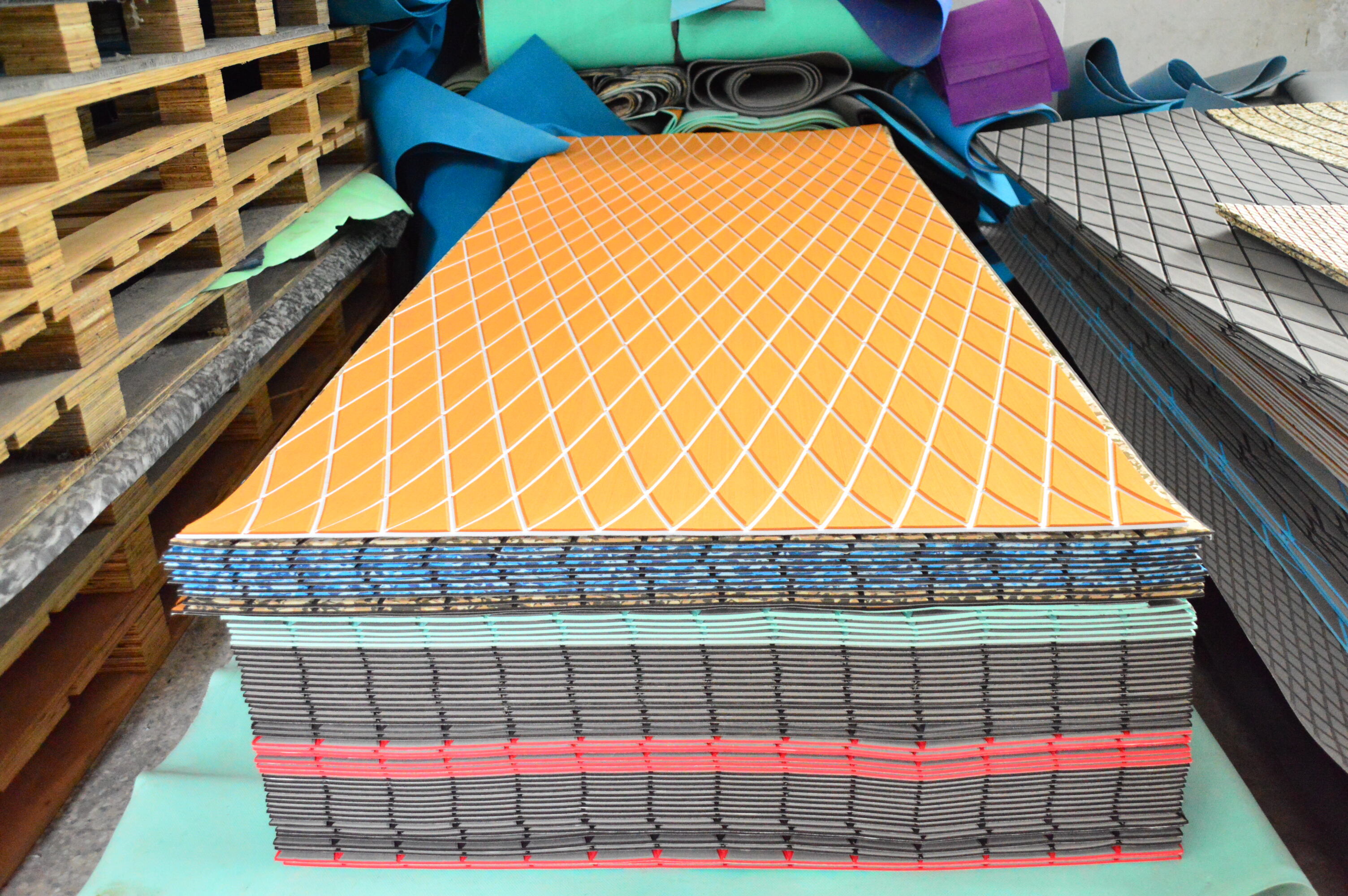
Simplified Maintenance Procedures and Reduced Labor Costs
Easy Cleaning and Sanitization
The non-porous surface of EVA foam boat flooring prevents absorption of contaminants, allowing thorough cleaning with simple soap and water solutions. Unlike wood or composite materials that require specialized cleaners and treatments, this synthetic option eliminates the need for expensive maintenance chemicals and procedures. The smooth, sealed surface can be pressure washed without risk of damage, enabling quick turnaround cleaning between charters or fishing trips.
Sanitization requirements in commercial fishing and passenger vessels are easily met with standard disinfectants that do not harm EVA foam boat flooring. The material's resistance to bleach and quaternary ammonium compounds commonly used in marine sanitization allows thorough disinfection without degradation. This compatibility with standard cleaning protocols eliminates the need for specialized training or alternative sanitization procedures that increase operational complexity and costs.
Minimal Repair Requirements
When damage does occur to EVA foam boat flooring, repairs are typically straightforward and can often be performed by crew members without specialized skills or equipment. Small cuts or punctures can be sealed with marine-grade adhesives, while larger damaged areas can be replaced by cutting out the affected section and installing a new piece. The self-adhesive backing enables field repairs without professional installation services, reducing both direct repair costs and vessel downtime.
The modular nature of EVA foam boat flooring systems allows replacement of individual sections without affecting surrounding areas. This targeted repair capability contrasts sharply with traditional materials where damage often requires replacement of large sections or entire deck areas. The ability to perform incremental repairs maintains vessel functionality while distributing maintenance costs over time rather than requiring major expenditures at regular intervals.
Energy Efficiency and Operational Benefits
Thermal Insulation Properties
The cellular structure of EVA foam boat flooring provides excellent thermal insulation, reducing heat transfer between deck surfaces and interior spaces. This insulation capability can significantly reduce air conditioning costs in warm climates while providing comfort for crew and passengers. The material remains comfortable to walk on even when exposed to direct sunlight, eliminating the need for protective coverings or cooling systems that add operational complexity and expense.
In cooler conditions, the insulating properties of EVA foam boat flooring help retain interior heat, reducing heating costs and improving crew comfort during extended voyages. The material's ability to moderate temperature extremes contributes to more consistent interior climate control, reducing HVAC system workload and extending equipment life. These energy savings accumulate over time, contributing to overall operational cost reduction beyond direct maintenance savings.
Sound Dampening and Vibration Reduction
The cushioning properties of EVA foam boat flooring absorb impact sounds and reduce vibration transmission throughout the vessel structure. This acoustic dampening improves passenger comfort in charter operations while reducing noise-related crew fatigue on commercial fishing vessels. Reduced vibration transmission can also extend the service life of sensitive equipment and instruments by minimizing mechanical stress from deck impacts and foot traffic.
The sound absorption characteristics of EVA foam boat flooring contribute to compliance with maritime noise regulations in commercial applications. This regulatory compliance eliminates potential fines and operational restrictions while enhancing the professional image of charter operations. The improved acoustic environment can justify premium pricing for charter services, generating additional revenue that offsets any initial investment in quality flooring materials.
Installation Efficiency and Time Savings
Self-Adhesive Application Systems
Modern EVA foam boat flooring systems feature high-performance adhesive backing that bonds directly to clean, prepared surfaces without additional adhesives or fasteners. This installation method eliminates the labor-intensive preparation and application procedures required for traditional materials, reducing installation time by up to seventy percent. The simplified installation process allows vessel owners to complete flooring projects during short maintenance windows without extended downtime.
The peel-and-stick application method requires minimal tools and expertise, enabling crew members to perform installation and repairs without specialized contractors. This capability is particularly valuable for vessels operating in remote areas where professional services may not be readily available. The ability to perform field installations reduces project costs while ensuring timely completion of maintenance work that keeps vessels operational.
Customization and Fit Optimization
EVA foam boat flooring can be easily cut and shaped to fit complex deck contours and around equipment installations using standard cutting tools. This adaptability eliminates the custom fabrication requirements often necessary with rigid materials, reducing both material waste and installation complexity. The material's flexibility allows it to conform to slight surface irregularities without creating gaps or raised areas that could pose safety hazards.
Template cutting techniques enable precise fit around cleats, hatches, and other deck hardware without compromising the integrity of the EVA foam boat flooring system. The clean cutting characteristics of the material produce smooth edges that maintain water-tight seals and professional appearance. This precision fitting capability ensures optimal performance while minimizing installation time and material waste that add unnecessary costs to flooring projects.
FAQ
How long does EVA foam boat flooring typically last in commercial marine applications?
High-quality EVA foam boat flooring can provide ten to fifteen years of service life in commercial applications when properly installed and maintained. The material's resistance to UV degradation, saltwater exposure, and mechanical wear makes it significantly more durable than traditional options like carpet or vinyl. Actual service life depends on usage intensity, maintenance practices, and environmental conditions, but most commercial operators report substantial cost savings compared to materials requiring replacement every two to three years.
Can EVA foam boat flooring be installed over existing deck surfaces?
Yes, EVA foam boat flooring can be installed directly over most existing deck surfaces provided they are clean, dry, and structurally sound. The self-adhesive backing bonds effectively to fiberglass, aluminum, wood, and properly prepared painted surfaces. Surface preparation typically involves cleaning with degreasing agents and light sanding to ensure optimal adhesion. This overlay capability eliminates the cost and time associated with removing existing flooring materials, making upgrades more economical and less disruptive to operations.
What maintenance procedures are required for EVA foam boat flooring?
Routine maintenance of EVA foam boat flooring involves regular cleaning with mild soap and fresh water, followed by thorough rinsing and air drying. The non-porous surface resists staining and can be pressure washed safely when necessary. Monthly inspection for cuts or loose edges allows early detection of potential issues before they require major repairs. Periodic application of UV protectant products can extend service life in high-exposure environments, though quality EVA foam includes UV stabilizers that provide inherent protection.
Is EVA foam boat flooring suitable for all types of commercial vessels?
EVA foam boat flooring performs well across most commercial vessel types including fishing boats, charter yachts, water taxis, and work boats. The material's flexibility and chemical resistance make it particularly suitable for vessels exposed to fish processing, passenger traffic, and harsh working conditions. However, applications involving extreme temperatures, sharp tools, or heavy equipment may require specialized grades or additional protective measures. Consultation with manufacturers ensures selection of appropriate products for specific operational requirements and environmental conditions.