EN
EN


Selecting the ideal flooring material for your boat represents a critical decision that impacts both functionality and aesthetics. Modern boat owners face numerous options, with EVA foam boat flooring and marine carpet standing out as two of the most popular choices. Each material offers distinct advantages and considerations that can significantly influence your boating experience. Understanding the fundamental differences between these flooring solutions will help you make an informed decision that aligns with your specific needs, budget, and maintenance preferences. The choice between EVA foam boat flooring and marine carpet extends beyond simple aesthetics, encompassing factors such as durability, water resistance, installation complexity, and long-term cost effectiveness.
Understanding EVA Foam Boat Flooring
Material Composition and Properties
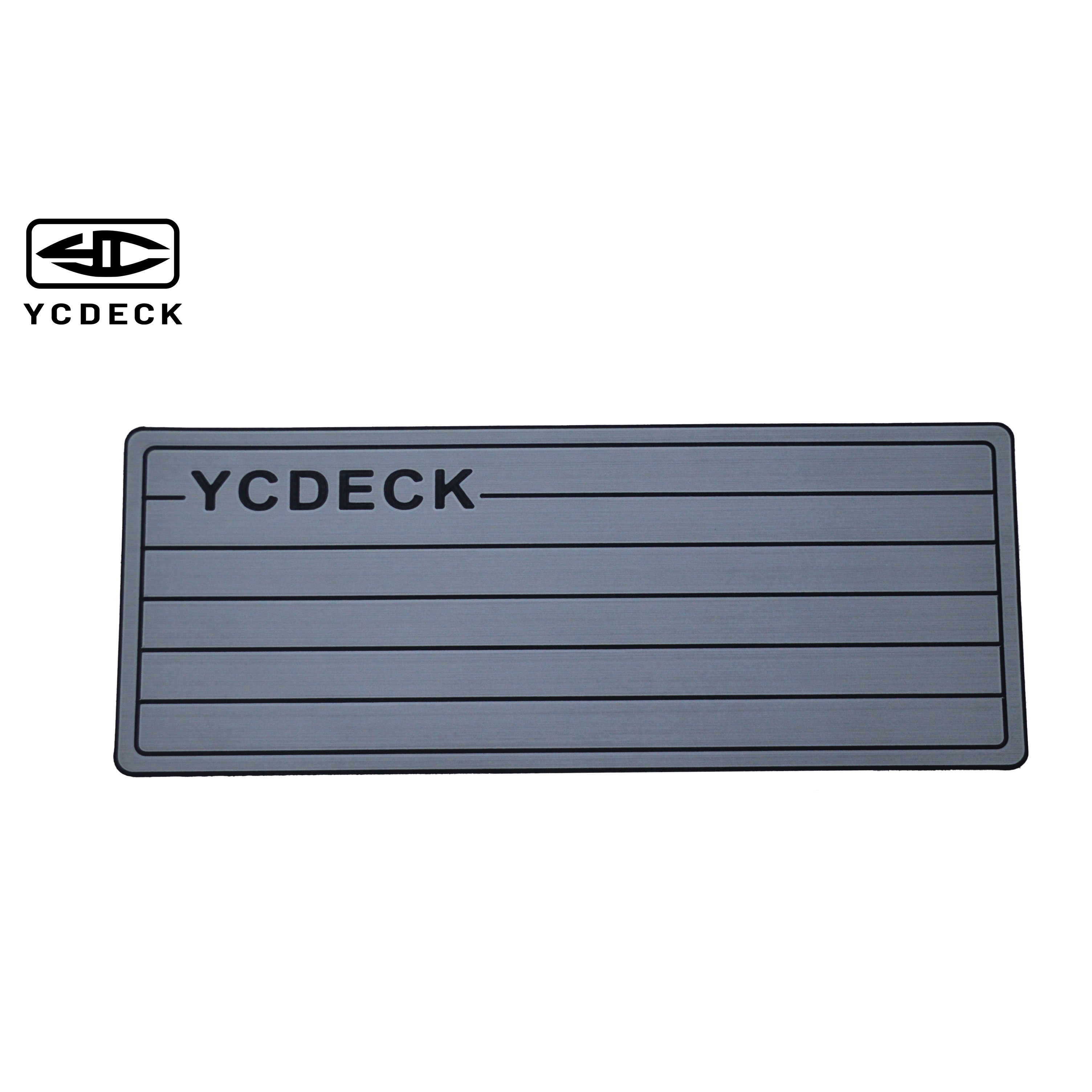
EVA foam boat flooring consists of Ethylene Vinyl Acetate, a lightweight synthetic material renowned for its exceptional flexibility and resilience. This closed-cell foam structure provides inherent buoyancy while maintaining remarkable durability under marine conditions. The material's composition naturally resists UV degradation, making it ideal for boats exposed to intense sunlight. EVA foam boat flooring typically features a textured surface that mimics traditional teak decking, providing both aesthetic appeal and functional grip. The foam's density ranges from soft to firm, allowing boat owners to select the appropriate comfort level for their specific applications.
The chemical stability of EVA foam ensures that saltwater exposure does not compromise its structural integrity over time. Unlike organic materials, EVA foam boat flooring maintains its color and texture even after prolonged exposure to harsh marine environments. The material's thermal properties also contribute to its popularity, as it remains comfortable underfoot in both hot and cold conditions. Additionally, the foam's shock-absorbing qualities reduce fatigue during extended periods on deck, making it particularly beneficial for fishing boats and recreational vessels where crew members spend considerable time standing.
Installation Methods and Flexibility
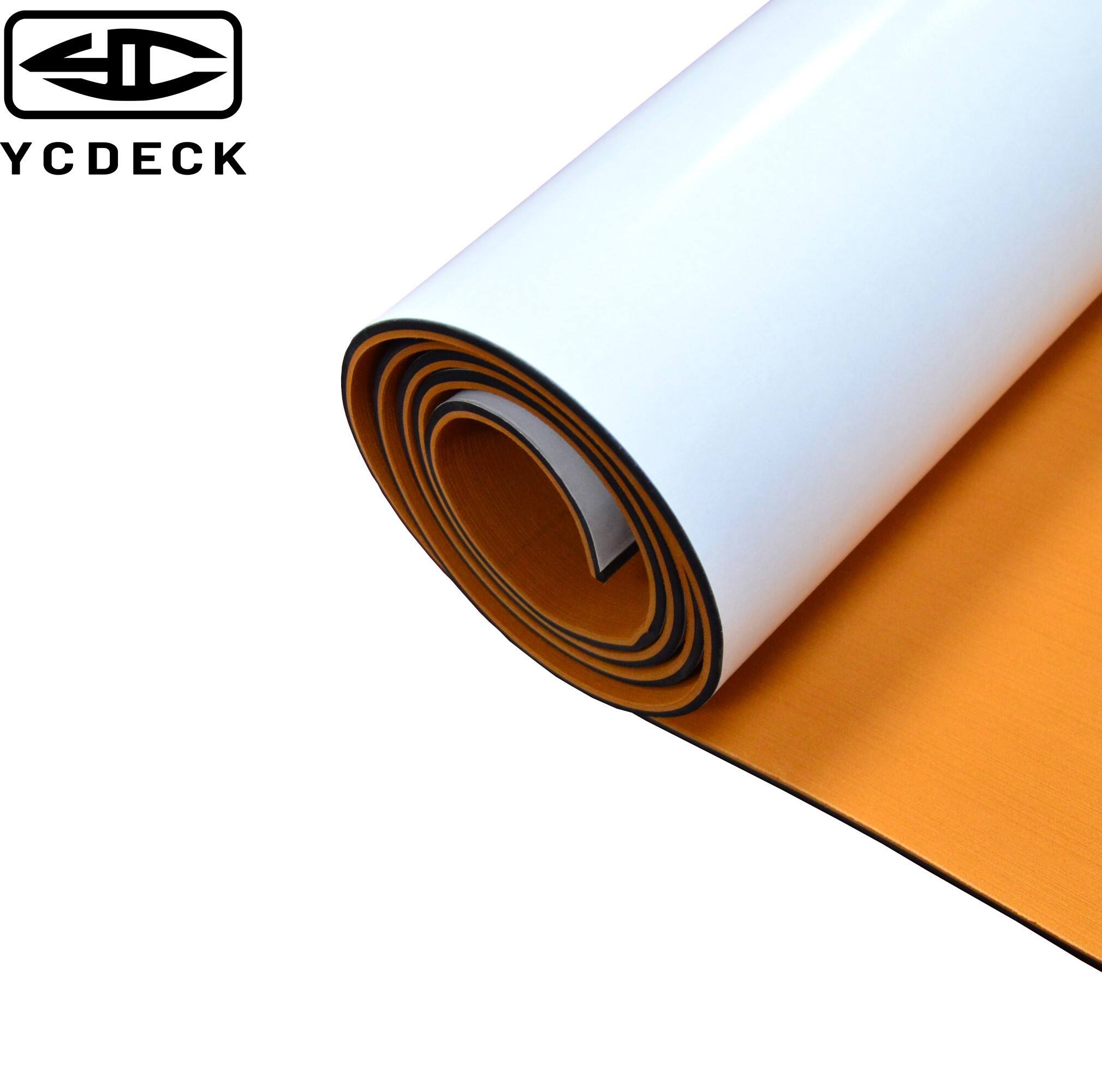
Installing EVA foam boat flooring typically involves adhesive backing systems that simplify the application process significantly. Most high-quality EVA foam products feature self-adhesive surfaces that eliminate the need for additional bonding agents or specialized tools. The material's flexibility allows it to conform to curved surfaces and irregular deck shapes commonly found in modern boat designs. This adaptability makes EVA foam boat flooring suitable for various vessel types, from small fishing boats to luxury yachts.
The installation process generally requires thorough surface preparation, including cleaning and degreasing the existing deck surface. EVA foam boat flooring can be cut to precise dimensions using standard utility knives, enabling custom fits around deck hardware and fixtures. The material's forgiving nature allows for adjustments during installation, and mistakes can often be corrected without replacing entire sections. Some premium EVA foam products offer interlocking systems that provide additional stability while maintaining easy removal for maintenance or replacement purposes.
Marine Carpet Characteristics and Applications
Construction and Material Variations
Marine carpet differs significantly from household carpeting through its specialized construction designed for aquatic environments. The backing material typically consists of waterproof latex or vinyl compounds that prevent water penetration and mold growth. Face fibers range from polypropylene to polyester blends, each offering unique advantages in terms of durability, color retention, and maintenance requirements. Quality marine carpets incorporate UV-resistant treatments that prevent fading and degradation under continuous sun exposure.
The pile height and density of marine carpet vary considerably based on intended applications and price points. Low-pile options provide easier maintenance and faster drying times, while higher pile varieties offer enhanced comfort and noise reduction. Some marine carpets feature solution-dyed fibers that integrate color throughout the fiber structure rather than applying dyes to the surface. This construction method significantly improves color fastness and resistance to bleaching from saltwater and cleaning chemicals commonly used in marine environments.
Drainage and Water Management
Effective water management represents a crucial consideration for marine carpet installations, as inadequate drainage can lead to persistent moisture problems and biological growth. Quality marine carpets incorporate perforation patterns or backing designs that facilitate rapid water drainage while maintaining structural integrity. The carpet's ability to shed water quickly prevents the accumulation of standing water that could compromise the underlying deck structure or create slippery conditions.
Installation techniques for marine carpet often involve securing the material to allow air circulation beneath the surface, promoting faster drying and preventing moisture-related issues. Some advanced marine carpet systems integrate channels or ridges in the backing material that direct water toward designated drainage points. Understanding proper installation methods is essential for maximizing the performance and longevity of marine carpet in demanding aquatic environments where water exposure is constant and inevitable.
Performance Comparison in Marine Environments
Durability and Longevity Factors
When evaluating durability, EVA foam boat flooring demonstrates superior resistance to physical wear and environmental degradation compared to marine carpet. The foam's closed-cell structure prevents water absorption, eliminating the expansion and contraction cycles that can compromise material integrity. EVA foam maintains its dimensional stability across wide temperature ranges, while marine carpet may experience shrinkage or stretching under extreme conditions.
Marine carpet faces additional challenges from abrasive particles, fishing tackle, and heavy equipment that can accelerate wear patterns in high-traffic areas. The fiber construction, while designed for marine use, remains susceptible to snagging, pulling, and gradual degradation from repeated exposure to saltwater and UV radiation. EVA foam boat flooring's homogeneous structure eliminates these vulnerability points, providing consistent performance throughout its service life. However, sharp objects can puncture or tear EVA foam, requiring careful handling of fishing hooks, tools, and other pointed implements.
Maintenance Requirements and Procedures
Maintenance procedures differ substantially between EVA foam boat flooring and marine carpet, with each material requiring specific care protocols to maximize performance and appearance retention. EVA foam surfaces typically require simple cleaning with mild soap solutions and fresh water rinses, making routine maintenance straightforward and time-efficient. The non-porous surface prevents stain penetration, allowing most contaminants to be removed with basic cleaning techniques.
Marine carpet maintenance involves more complex procedures, including periodic deep cleaning to remove embedded particles and biological growth that may accumulate within the fiber structure. Regular vacuuming helps prevent debris buildup, while specialized marine carpet cleaners address stains and odors that standard cleaning methods cannot eliminate. The carpet's ability to trap and hold contaminants provides both advantages and disadvantages, offering better slip resistance when wet but requiring more intensive maintenance to preserve hygiene and appearance standards.
Cost Analysis and Long-Term Value
Initial Investment Considerations
The initial cost differential between EVA foam boat flooring and marine carpet varies significantly based on quality levels, coverage area, and specific product features. Premium EVA foam boat flooring typically commands higher upfront costs due to advanced manufacturing processes and superior materials, while marine carpet options span broader price ranges from economy to luxury grades. Installation costs may favor marine carpet in some scenarios, particularly when professional installation is required for complex deck configurations.
Quality EVA foam boat flooring represents a substantial initial investment that pays dividends through extended service life and minimal maintenance requirements. The material's inherent durability reduces replacement frequency, offsetting higher purchase prices over the product's lifecycle. Marine carpet may offer lower entry costs but requires more frequent replacement cycles, particularly in high-use environments where wear patterns develop rapidly. Calculating total cost of ownership should include maintenance supplies, cleaning equipment, and potential downtime for replacement activities.
Replacement and Upgrade Scenarios
Replacement scenarios reveal important differences between EVA foam boat flooring and marine carpet in terms of complexity, cost, and timing considerations. EVA foam installations typically last longer between replacements, and the removal process generally proves less labor-intensive than carpet removal. The foam's adhesive backing system usually releases more easily than carpet installations that may require scraping or chemical stripping to remove stubborn residues.
Marine carpet replacement often presents opportunities to upgrade underlying deck conditions, as removal exposes areas that may require repair or refinishing. However, this additional work increases project complexity and costs compared to EVA foam boat flooring replacements. The ability to install new EVA foam directly over properly prepared existing surfaces can significantly reduce replacement time and associated vessel downtime, making it attractive for commercial operators where schedule interruptions affect revenue generation.
Environmental Impact and Sustainability
Manufacturing and Production Footprint
Environmental considerations play an increasingly important role in marine product selection, with both EVA foam boat flooring and marine carpet manufacturing processes carrying distinct ecological implications. EVA foam production requires petroleum-based raw materials and energy-intensive manufacturing processes, though the material's longevity can offset these initial environmental costs through reduced replacement frequency. Some manufacturers have developed recycling programs for end-of-life EVA foam products, though these initiatives remain limited in scope and geographic availability.
Marine carpet production involves similar synthetic material usage but typically requires additional chemical treatments for UV resistance, antimicrobial properties, and water repellency. The carpet manufacturing process generates more waste streams and requires various chemical inputs that may impact local ecosystems near production facilities. However, some marine carpet manufacturers have embraced sustainable practices, incorporating recycled content and developing take-back programs to minimize environmental impact throughout the product lifecycle.
Disposal and End-of-Life Management
End-of-life disposal considerations highlight important differences between EVA foam boat flooring and marine carpet in terms of environmental responsibility and waste management. EVA foam's thermoplastic nature allows for potential recycling into new products, though specialized facilities capable of processing marine-grade foam remain scarce. The material's chemical stability means it will persist in landfill environments for extended periods without significant degradation.
Marine carpet disposal faces additional challenges due to the composite construction combining fiber materials with backing compounds and adhesive systems. Separation of these components for recycling proves difficult and economically unfeasible in most cases, leading to landfill disposal as the primary end-of-life option. The carpet's organic components may decompose more readily than EVA foam boat flooring, but the synthetic backing materials exhibit similar persistence in waste management systems.
FAQ
How long does EVA foam boat flooring typically last compared to marine carpet
EVA foam boat flooring generally provides superior longevity compared to marine carpet, with quality products lasting 8-12 years under normal marine conditions. Marine carpet typically requires replacement every 3-5 years depending on usage patterns and maintenance practices. The closed-cell structure of EVA foam boat flooring resists degradation from saltwater, UV exposure, and physical wear better than carpet fibers, which can fray, fade, and accumulate permanent stains over time. However, actual lifespan varies significantly based on boat usage, climate conditions, and maintenance quality.
Which material provides better traction when wet
Marine carpet generally offers superior wet traction compared to smooth EVA foam boat flooring surfaces, as the fiber structure creates more surface area for grip. However, textured EVA foam boat flooring with grooved or diamond patterns can provide comparable or superior traction while maintaining easier cleaning properties. The key difference lies in maintenance requirements, as marine carpet maintains consistent traction until wear patterns develop, while EVA foam surfaces may become slippery if not properly textured or if contaminated with oils or algae.
Can both materials be installed over existing boat decking
Both EVA foam boat flooring and marine carpet can be installed over existing deck surfaces when proper preparation procedures are followed. EVA foam boat flooring typically adheres directly to clean, dry, and smooth surfaces without additional underlayment requirements. Marine carpet installation may require padding or specialized backing materials depending on the existing deck condition and desired comfort level. Both materials require thorough surface cleaning, degreasing, and possible repairs to achieve optimal adhesion and performance over existing decking.
What are the climate considerations for each flooring type
Climate significantly impacts the performance of both EVA foam boat flooring and marine carpet, though each responds differently to environmental conditions. EVA foam boat flooring performs consistently across wide temperature ranges but may become softer in extreme heat, potentially showing indentations from heavy objects. Marine carpet provides better insulation in cold climates but may retain moisture longer in humid conditions, potentially leading to odor or mildew issues. UV exposure affects both materials, though quality EVA foam boat flooring generally demonstrates superior color retention and structural stability under prolonged sun exposure.