EN
EN


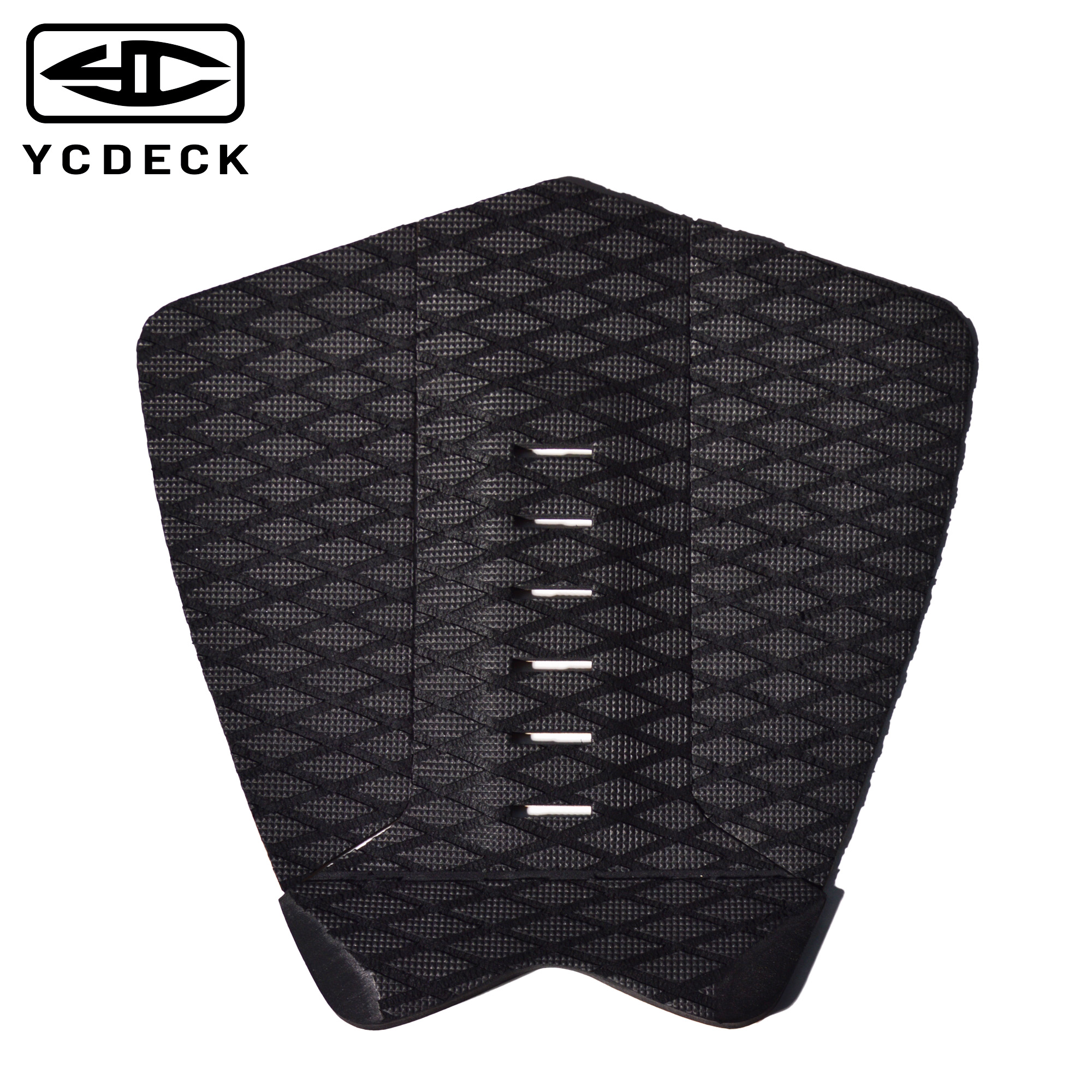
Maintaining optimal grip performance on water sports boards is crucial for safety, control, and overall riding experience. Whether you're navigating choppy SUP waters, carving waves on a surfboard, or executing tricks on a shortboard, the quality and condition of your traction grip pad directly impacts your performance. Professional riders and recreational enthusiasts alike understand that proper grip maintenance extends beyond simple cleaning routines and requires a comprehensive approach to preserve the adhesive properties, texture integrity, and overall functionality of these essential board accessories.
Understanding Traction Grip Pad Construction and Materials
EVA Foam Technology and Surface Patterns
Modern traction grip pads utilize advanced EVA foam construction that provides superior cushioning while maintaining excellent grip characteristics. The cellular structure of EVA material creates microscopic air pockets that enhance shock absorption during high-impact landings and aggressive maneuvers. Surface pattern design plays a critical role in grip performance, with diamond-cut textures, raised ridges, and hexagonal patterns each offering distinct advantages for different riding styles and water conditions.
The depth and spacing of surface patterns directly influence water drainage and foot placement stability. Deeper grooves facilitate rapid water evacuation, preventing the formation of slippery films between your feet and the pad surface. Manufacturers engineer these patterns using computer-aided design systems to optimize grip-to-comfort ratios, ensuring riders maintain control without experiencing excessive foot fatigue during extended sessions.
Adhesive Systems and Bonding Technology
High-performance adhesive systems form the foundation of reliable traction grip pad installation and longevity. Premium marine-grade adhesives resist saltwater corrosion, temperature fluctuations, and UV radiation exposure that can compromise bonding strength over time. The adhesive layer must maintain flexibility to accommodate board flex while providing permanent attachment under extreme conditions.
Understanding adhesive curing processes helps optimize installation timing and environmental conditions. Most professional-grade adhesives require 24-48 hours to achieve full bonding strength, with temperature and humidity levels significantly affecting cure rates. Proper surface preparation, including degreasing and roughening smooth fiberglass surfaces, ensures maximum adhesive penetration and mechanical bonding for long-term performance reliability.
Pre-Installation Surface Preparation Techniques
Board Surface Cleaning and Decontamination
Thorough surface preparation establishes the foundation for optimal traction grip pad adhesion and performance longevity. Begin the cleaning process by removing all existing wax, oils, and contaminants using specialized marine solvents or degreasing agents. Residual wax creates barrier layers that prevent proper adhesive bonding, leading to premature pad separation and reduced grip effectiveness.
Acetone or isopropyl alcohol effectively dissolves stubborn residues while evaporating completely without leaving film deposits. Apply cleaning solvents using lint-free cloths in overlapping patterns to ensure complete coverage of the installation area. Allow sufficient drying time between cleaning stages, as trapped moisture beneath the traction grip pad can cause adhesive failure and create bacterial growth environments.
Surface Texturing and Abrasion Methods
Creating optimal surface texture enhances mechanical bonding between the board and traction grip pad adhesive system. Light sanding using 220-grit sandpaper removes gloss coatings and creates microscopic anchor points for improved adhesive penetration. Focus on consistent, uniform sanding patterns that avoid deep scratches while providing adequate surface roughness for enhanced bonding.
Professional installers often use tack cloths to remove sanding dust and debris that could interfere with adhesive contact. The goal involves creating a clean, slightly roughened surface that maximizes adhesive contact area without compromising board structural integrity. Proper surface preparation significantly extends traction grip pad service life and maintains consistent performance characteristics throughout the product lifecycle.
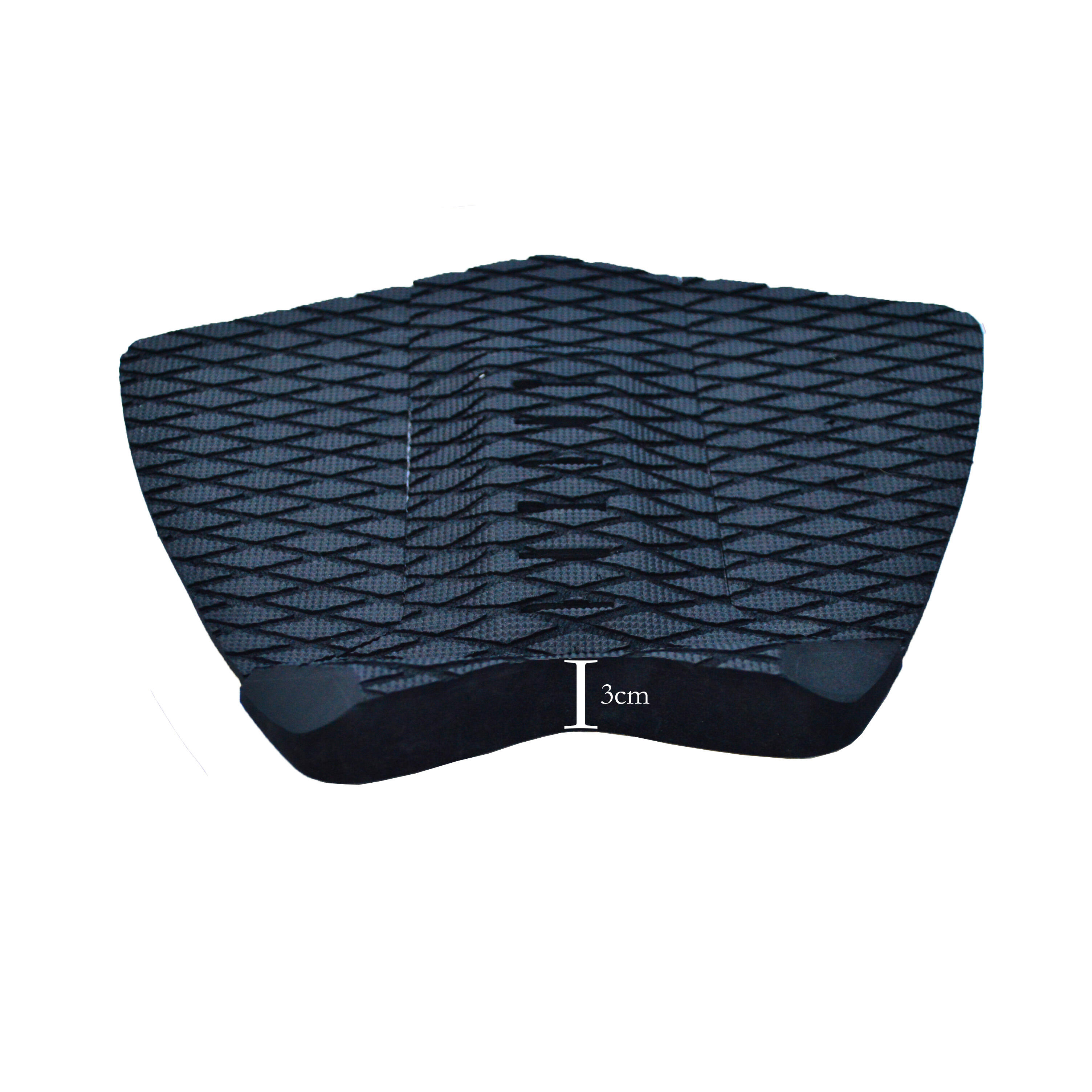
Installation Best Practices and Techniques
Environmental Conditions and Timing Considerations
Optimal installation conditions significantly impact traction grip pad adhesion quality and long-term performance reliability. Temperature ranges between 65-85°F provide ideal conditions for adhesive activation and proper bonding. Humidity levels below 50% prevent moisture interference during the curing process, while direct sunlight exposure can cause premature adhesive setup before proper positioning is achieved.
Wind conditions also affect installation quality by introducing dust particles and causing pad movement during positioning. Indoor installation environments offer superior control over these variables, though well-sheltered outdoor locations can provide acceptable conditions when indoor facilities are unavailable. Planning installation timing around weather forecasts ensures optimal conditions for achieving professional-quality results.
Positioning and Alignment Strategies
Precise traction grip pad positioning requires careful measurement and alignment techniques that account for rider stance, board dimensions, and performance requirements. Mark reference points using removable tape to establish centerlines and positioning guides before removing adhesive backing. Many experienced installers create paper templates that allow multiple positioning attempts without exposing the adhesive prematurely.
Consider foot placement patterns for different riding styles when determining optimal pad positioning. SUP applications typically require more forward placement to accommodate paddling stances, while surf and shortboard installations focus on back foot control areas. The traction grip pad should complement natural foot positioning without restricting movement or creating pressure points during extended use.
Daily Maintenance and Care Protocols
Post-Session Cleaning Procedures
Implementing consistent post-session cleaning routines preserves traction grip pad performance and extends service life significantly. Saltwater exposure requires immediate freshwater rinsing to prevent crystalline buildup that can damage pad surfaces and reduce grip effectiveness. Use moderate water pressure to avoid forcing debris deeper into surface textures while ensuring complete salt removal from all pad areas.
Gentle scrubbing with soft-bristled brushes removes embedded sand particles and organic matter that accumulate during water sports activities. Avoid aggressive scrubbing that can wear down surface textures or damage pad edges. Focus cleaning efforts on heavily trafficked areas where foot contact concentrates dirt and debris, while maintaining gentle pressure to preserve the traction grip pad integrity.
Drying and Storage Best Practices
Proper drying techniques prevent bacterial growth and material degradation that compromise traction grip pad performance over time. Position boards in shaded areas with adequate air circulation to facilitate moisture evaporation without exposing pads to damaging UV radiation. Vertical storage positions promote drainage and prevent water pooling that can soften adhesives or create odor problems.
Avoid storing wet boards in enclosed spaces where humidity accumulation accelerates material breakdown and promotes mold formation. Temperature-controlled storage environments maintain traction grip pad flexibility and prevent adhesive brittleness that can lead to edge lifting and premature failure. Consistent drying protocols significantly extend pad service life while maintaining optimal grip characteristics.
Troubleshooting Common Grip Performance Issues
Edge Lifting and Adhesive Failure Solutions
Edge lifting represents one of the most common traction grip pad performance issues, typically resulting from inadequate surface preparation or exposure to extreme temperature cycling. Address minor edge lifting immediately using marine-grade adhesive designed for underwater applications. Clean the affected area thoroughly, apply fresh adhesive beneath the lifted section, and maintain pressure until proper bonding is achieved.
Severe adhesive failure often requires complete traction grip pad replacement rather than attempted repairs that may compromise performance and safety. Evaluate the extent of lifting and adhesive degradation to determine whether repair efforts will provide long-term reliability. Document failure patterns to identify potential installation or maintenance improvements for future applications.
Surface Wear and Texture Degradation
Surface texture degradation gradually reduces grip effectiveness as raised patterns wear smooth through repeated foot contact and abrasion. Monitor texture depth regularly and replace traction grip pads when surface features no longer provide adequate traction for safe operation. Early replacement prevents sudden grip loss that can result in falls or loss of board control during critical maneuvers.
Some texture restoration techniques can extend pad service life when wear patterns are localized or minimal. Light brushing with stiff-bristled brushes can restore some grip characteristics by removing embedded debris and exposing fresh texture surfaces. However, these methods provide temporary improvements and should not replace scheduled traction grip pad replacement based on manufacturer recommendations and usage intensity.
Seasonal Maintenance and Replacement Schedules
Pre-Season Inspection and Preparation
Comprehensive pre-season inspections identify potential traction grip pad issues before they compromise performance or safety during active use periods. Examine pad edges for lifting, surface areas for excessive wear, and adhesive integrity for signs of degradation or failure. Document inspection findings to track pad condition changes and establish replacement schedules based on actual usage patterns and wear rates.
Pre-season preparation includes thorough cleaning to remove accumulated contaminants and restore optimal grip characteristics after storage periods. Apply appropriate conditioning treatments designed for EVA foam materials to maintain flexibility and surface properties. Replace worn or damaged pads before the active season begins to avoid performance compromises during peak usage periods.
Off-Season Storage and Protection
Proper off-season storage protects traction grip pad investments and ensures optimal performance when active use resumes. Clean pads thoroughly before storage to prevent contaminant accumulation during inactive periods. Store boards in climate-controlled environments when possible, avoiding temperature extremes that can affect adhesive properties and pad flexibility.
Cover stored boards with breathable materials that protect against dust accumulation while allowing moisture evaporation. Avoid plastic covers that trap humidity and create condensation problems. Regular inspection during storage periods allows early detection of issues that might develop during extended inactive periods, enabling timely maintenance before problems become severe enough to require complete traction grip pad replacement.
FAQ
How often should traction grip pads be replaced on frequently used boards
Replacement frequency depends on usage intensity, water conditions, and maintenance quality. Heavy-use boards typically require traction grip pad replacement every 6-12 months, while recreational use may extend service life to 12-24 months. Monitor surface texture depth, edge integrity, and overall grip performance to determine optimal replacement timing based on actual condition rather than arbitrary schedules.
Can damaged traction grip pads be repaired or must they be completely replaced
Minor edge lifting and small tears can often be repaired using marine-grade adhesives and proper techniques. However, extensive damage, significant surface wear, or large areas of adhesive failure typically require complete replacement for safety and performance reasons. Evaluate repair costs against replacement benefits, considering that temporary fixes may fail at critical moments during use.
What environmental factors most significantly affect traction grip pad longevity
UV radiation exposure, temperature cycling, and saltwater contact represent the primary environmental threats to traction grip pad durability. Consistent exposure to direct sunlight accelerates material degradation, while extreme temperature changes stress adhesive bonds and pad flexibility. Implementing proper storage and maintenance protocols significantly mitigates these environmental impacts and extends service life.
How do different water sports applications affect traction grip pad wear patterns
SUP applications typically show more uniform wear due to varied foot positioning during paddling activities. Surfing creates concentrated wear patterns in heel and toe areas where riders apply pressure during turns and maneuvers. Shortboard use often produces asymmetrical wear reflecting specific trick preferences and stance variations. Understanding these patterns helps optimize pad selection and replacement timing for different applications.
Table of Contents
- Understanding Traction Grip Pad Construction and Materials
- Pre-Installation Surface Preparation Techniques
- Installation Best Practices and Techniques
- Daily Maintenance and Care Protocols
- Troubleshooting Common Grip Performance Issues
- Seasonal Maintenance and Replacement Schedules
-
FAQ
- How often should traction grip pads be replaced on frequently used boards
- Can damaged traction grip pads be repaired or must they be completely replaced
- What environmental factors most significantly affect traction grip pad longevity
- How do different water sports applications affect traction grip pad wear patterns