EN
EN


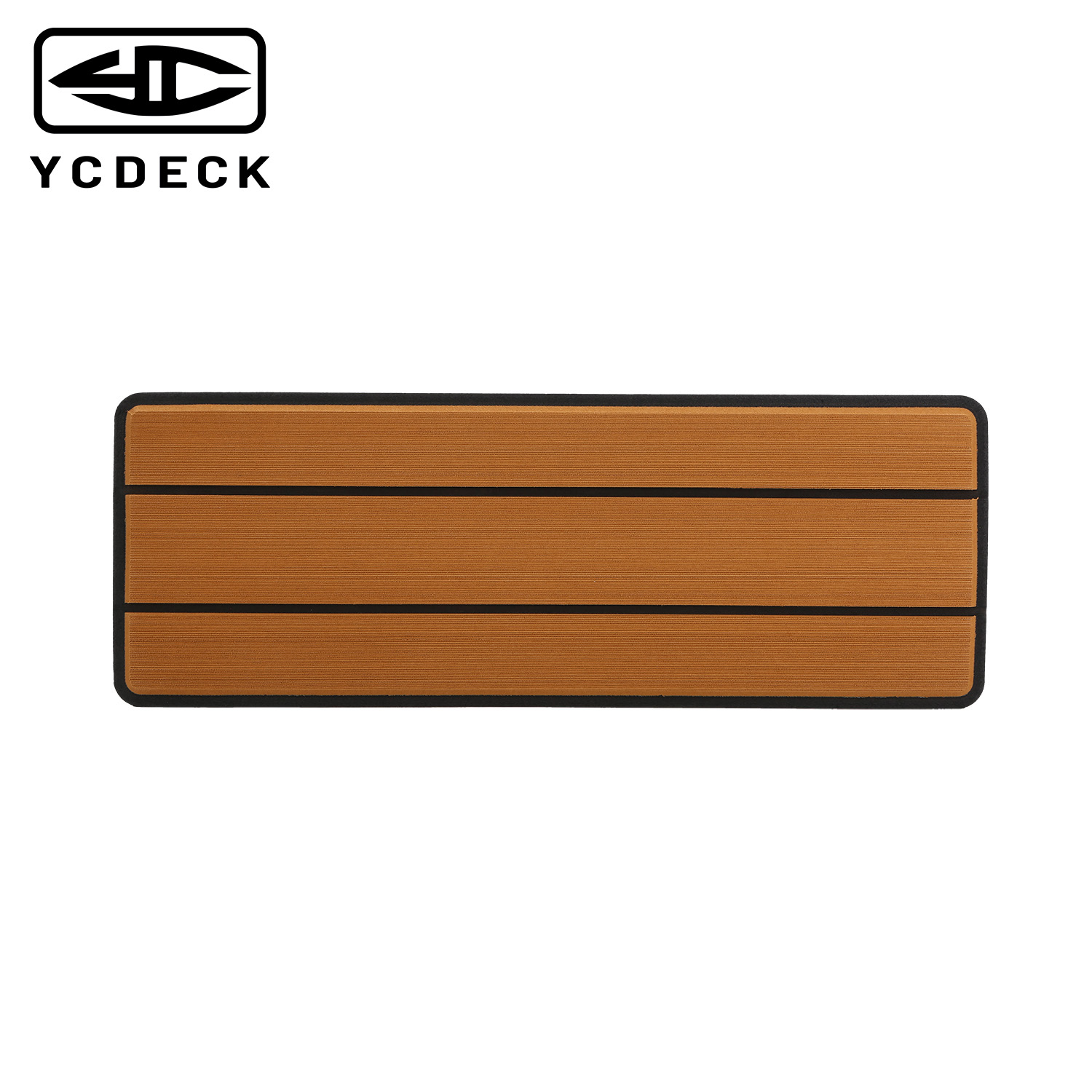
Mobile home living has become increasingly popular among individuals seeking affordable housing solutions and recreational vehicle enthusiasts looking for adventure on the road. However, one critical aspect that often gets overlooked is the safety of RV steps, which can become treacherous surfaces during wet weather, cold temperatures, or when debris accumulates. RV step covers provide an essential safety enhancement that can prevent dangerous slips and falls while extending the lifespan of your mobile home's entry steps. These protective accessories offer both functional benefits and aesthetic improvements that make them indispensable for conscientious mobile home owners and renters.
Understanding the Safety Risks of Unprotected RV Steps
Common Hazards Associated with Bare Metal Steps
Standard RV steps are typically constructed from aluminum or steel materials that become extremely slippery when exposed to moisture, ice, or organic debris. The smooth metal surfaces provide minimal traction, creating dangerous conditions that can result in serious injuries. Many mobile home accidents occur specifically at entry points where residents are transitioning between the interior and exterior environments. Without proper RV step covers, these surfaces become particularly hazardous during morning dew, rain showers, or winter conditions when frost and ice form on exposed metal.
The consequences of step-related accidents extend beyond immediate physical injuries, potentially including costly medical bills, insurance claims, and liability issues for property owners. Emergency room visits due to slip-and-fall accidents represent a significant portion of preventable injuries among mobile home residents. Professional safety experts consistently recommend proactive measures to address these risks before accidents occur, emphasizing that prevention costs significantly less than treatment and recovery.
Weather-Related Challenges for Mobile Home Access
Seasonal weather variations create ongoing challenges for mobile home step safety throughout the year. During autumn months, fallen leaves and organic debris can accumulate on step surfaces, creating slippery conditions that persist even after cleaning. Winter weather introduces additional complications with ice formation, snow accumulation, and extreme temperature fluctuations that affect material properties. Spring and summer months bring their own challenges with morning dew, sudden rain showers, and increased foot traffic during outdoor activities.
Geographic location significantly impacts the severity and frequency of weather-related step hazards. Coastal areas experience higher humidity levels and salt air exposure, while mountain regions face extended freezing periods and rapid temperature changes. Desert climates present unique challenges with extreme heat that can make metal surfaces uncomfortable or dangerous to touch, while humid subtropical regions deal with frequent precipitation and mold growth concerns.
Material Composition and Design Features of Quality RV Step Covers
Advanced Non-Slip Surface Technologies
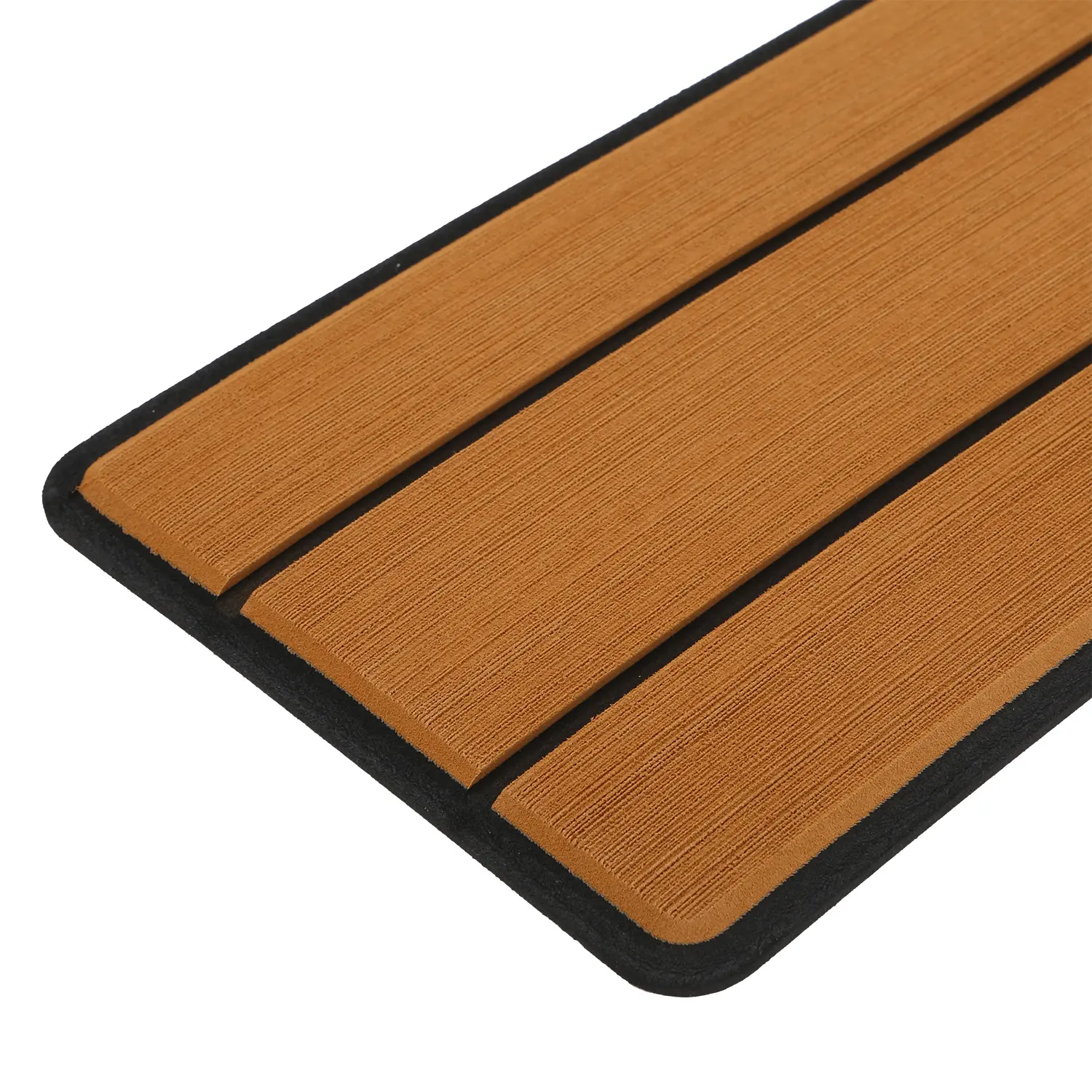
Modern RV step covers incorporate sophisticated surface texturing technologies designed to maximize traction under various conditions. High-quality covers feature diamond-pattern textures, raised dots, or specialized groove designs that channel water away from contact points while maintaining superior grip. These surface treatments undergo rigorous testing to ensure consistent performance across temperature ranges and weather conditions. The most effective RV step covers utilize materials specifically engineered for outdoor applications, combining durability with optimal friction coefficients.
Material selection plays a crucial role in long-term performance and safety effectiveness. Premium covers often incorporate EVA foam, specialized rubber compounds, or marine-grade materials that resist degradation from UV exposure, temperature extremes, and chemical exposure. These advanced materials maintain their non-slip properties throughout extended use cycles while providing comfortable cushioning that reduces fatigue during frequent use. Quality manufacturers conduct extensive field testing to validate performance claims and ensure reliable safety enhancement.
Customization Options for Different Step Configurations
Mobile homes and recreational vehicles feature diverse step configurations requiring customized solutions for optimal safety coverage. Standard rectangular steps, circular entry platforms, and multi-level stair systems each present unique fitting challenges that quality RV step covers address through flexible design approaches. Many manufacturers offer custom sizing services that accommodate non-standard dimensions while maintaining consistent safety performance across the entire installation.
Color selection and aesthetic considerations have become increasingly important as mobile home owners seek safety solutions that complement their exterior design themes. Contemporary covers are available in multiple color options, including neutral tones that blend seamlessly with existing hardware or bold colors that provide enhanced visibility for safety purposes. Some advanced products incorporate reflective elements or photoluminescent materials that improve visibility during low-light conditions, adding an extra layer of safety enhancement.
Installation Process and Maintenance Requirements
Step-by-Step Installation Guidelines
Proper installation of RV step covers requires careful preparation and attention to detail to ensure optimal performance and longevity. The process begins with thorough cleaning of existing step surfaces to remove dirt, debris, oxidation, and any previous adhesive residues that could interfere with proper adhesion. Surface preparation may include light sanding or degreasing to create the ideal bonding environment for adhesive-backed products or to ensure proper fit for mechanical attachment systems.
Most quality RV step covers utilize advanced adhesive systems that create permanent bonds with properly prepared surfaces. The installation process typically involves careful positioning, gradual adhesive application, and systematic removal of air bubbles to ensure complete contact across the entire surface area. Professional installers recommend allowing adequate cure time before subjecting covers to heavy foot traffic, particularly in extreme temperature conditions that may affect adhesive performance.
Long-term Maintenance and Care Procedures
Regular maintenance extends the service life of RV step covers while ensuring consistent safety performance throughout their operational lifespan. Routine cleaning involves removing accumulated debris, washing with appropriate cleaning solutions, and inspecting for signs of wear or damage that could compromise effectiveness. Most covers respond well to standard household cleaners, though manufacturers typically provide specific recommendations for optimal care procedures.
Seasonal maintenance schedules should address specific challenges associated with local climate conditions and usage patterns. Heavy-use installations may require more frequent inspection and cleaning cycles, while seasonal storage situations might involve protective measures to prevent damage during extended non-use periods. Professional maintenance services are available for large installations or situations where property owners prefer expert care to ensure warranty compliance and optimal performance.
Cost-Benefit Analysis for Mobile Home Safety Investments
Comparing Prevention Costs to Accident Expenses
The financial benefits of installing RV step covers become apparent when comparing modest upfront costs to potential expenses associated with slip-and-fall accidents. Emergency medical treatment, lost work time, insurance deductibles, and potential liability claims can easily exceed thousands of dollars for a single incident. Quality step covers typically represent a fraction of these potential costs while providing years of reliable protection for residents and visitors.
Insurance industry data consistently demonstrates that properties with proactive safety measures experience lower claim frequencies and reduced liability exposure. Many insurance providers offer premium discounts or favorable coverage terms for properties that implement documented safety improvements. The installation of RV step covers often qualifies as a verifiable safety enhancement that demonstrates responsible property management to insurance underwriters.
Property Value Enhancement Through Safety Improvements
Mobile home properties with comprehensive safety features typically command higher resale values and attract quality tenants more effectively than properties lacking these enhancements. RV step covers contribute to overall property presentation while demonstrating attention to resident safety and property maintenance standards. Real estate professionals frequently note that safety improvements create positive impressions during property showings and may accelerate sale or rental processes.
The aesthetic improvement provided by quality RV step covers extends beyond safety considerations to include visual enhancement of property entrance areas. Clean, uniform step surfaces create professional appearances that reflect positively on property management practices and overall maintenance standards. These improvements often generate positive resident feedback and contribute to higher tenant satisfaction scores in rental situations.
Selecting the Right RV Step Covers for Specific Applications
Evaluating Traffic Patterns and Usage Requirements
Different mobile home situations require varying levels of durability and performance from RV step covers based on anticipated usage patterns and resident demographics. High-traffic rental properties need heavy-duty solutions capable of withstanding frequent use by multiple residents, while owner-occupied homes may prioritize comfort and aesthetic considerations alongside basic safety requirements. Understanding specific usage requirements helps guide appropriate product selection for optimal long-term performance.
Seasonal usage patterns significantly impact product selection criteria, particularly for recreational vehicles used primarily during specific times of year. Full-time residential applications require covers capable of year-round performance under all weather conditions, while seasonal installations might prioritize easy removal and storage capabilities. Commercial applications, such as rental fleets or corporate housing, often require standardized solutions that facilitate bulk purchasing and streamlined maintenance procedures.
Environmental Considerations for Product Selection
Geographic location and local environmental conditions play critical roles in determining optimal RV step covers for specific installations. Coastal environments require materials resistant to salt air corrosion and high humidity levels, while desert locations demand UV-resistant formulations capable of withstanding extreme temperature variations. Mountain regions need products that perform reliably through freeze-thaw cycles and potential snow load conditions.
Air quality considerations may influence material selection in industrial areas or locations with specific environmental challenges. Some covers incorporate antimicrobial treatments or specialized surface coatings designed to resist staining and degradation from airborne contaminants. Environmental sustainability concerns have led many manufacturers to develop eco-friendly formulations using recycled materials or biodegradable components without compromising safety performance.
Industry Standards and Compliance Requirements
Safety Regulations for Mobile Home Access Points
Mobile home safety regulations vary by jurisdiction but commonly include requirements for safe access to residential units. Many building codes specify minimum traction requirements for exterior steps and walkways, while accessibility guidelines address surface conditions for residents with mobility challenges. RV step covers can help property owners achieve compliance with these regulations while exceeding minimum safety standards for enhanced protection.
Professional installation standards ensure that RV step covers meet or exceed applicable safety requirements while maintaining warranty coverage and liability protection. Certified installers understand local code requirements and can provide documentation of compliance for insurance and regulatory purposes. Many manufacturers provide detailed installation guidelines and certification programs to ensure consistent quality across different installation teams.
Quality Certifications and Performance Standards
Reputable RV step covers undergo extensive testing to validate performance claims and ensure consistent quality across production runs. Industry standard tests evaluate slip resistance, durability, weather resistance, and adhesion properties under controlled laboratory conditions. Quality certifications from recognized testing organizations provide objective verification of product performance and help consumers make informed selection decisions.
Third-party testing organizations conduct independent evaluations of RV step covers to verify manufacturer claims and identify products that meet specific performance criteria. These evaluations often include accelerated aging tests, traction measurements under various conditions, and long-term durability assessments. Products that achieve certification from recognized testing organizations typically offer superior performance and reliability compared to uncertified alternatives.
FAQ
How long do RV step covers typically last before requiring replacement?
Quality RV step covers typically provide 3-7 years of reliable service under normal residential use conditions, though actual lifespan depends on factors including traffic volume, weather exposure, and maintenance practices. Heavy commercial use or extreme environmental conditions may reduce service life, while proper maintenance and seasonal care can extend usable life significantly. Most manufacturers provide warranty coverage ranging from 2-5 years, reflecting their confidence in product durability and performance.
Can RV step covers be installed on curved or irregular step surfaces?
Many modern RV step covers feature flexible designs that conform to curved surfaces and irregular step configurations commonly found on recreational vehicles and mobile homes. Custom cutting services are available for non-standard shapes, while some products incorporate flexible materials that adapt to minor surface variations during installation. Professional installers can often accommodate complex step geometries through careful planning and specialized installation techniques.
Are there RV step covers suitable for extreme weather conditions?
Specialized RV step covers are available for extreme weather applications, including products designed for arctic conditions, desert environments, and coastal locations with high salt exposure. These heavy-duty formulations incorporate advanced materials and surface treatments specifically engineered for challenging environmental conditions. Manufacturers typically provide detailed specifications regarding temperature ranges, UV resistance, and chemical resistance to help consumers select appropriate products for their specific climate conditions.
Do RV step covers require special tools or professional installation?
Most RV step covers are designed for straightforward installation using common household tools, though professional installation ensures optimal results and warranty compliance. Basic installations typically require cleaning supplies, measuring tools, and application implements provided with the product. Complex installations or commercial applications may benefit from professional services that include surface preparation, custom fitting, and post-installation inspection to ensure proper performance and longevity.
Table of Contents
- Understanding the Safety Risks of Unprotected RV Steps
- Material Composition and Design Features of Quality RV Step Covers
- Installation Process and Maintenance Requirements
- Cost-Benefit Analysis for Mobile Home Safety Investments
- Selecting the Right RV Step Covers for Specific Applications
- Industry Standards and Compliance Requirements
- FAQ