EN
EN


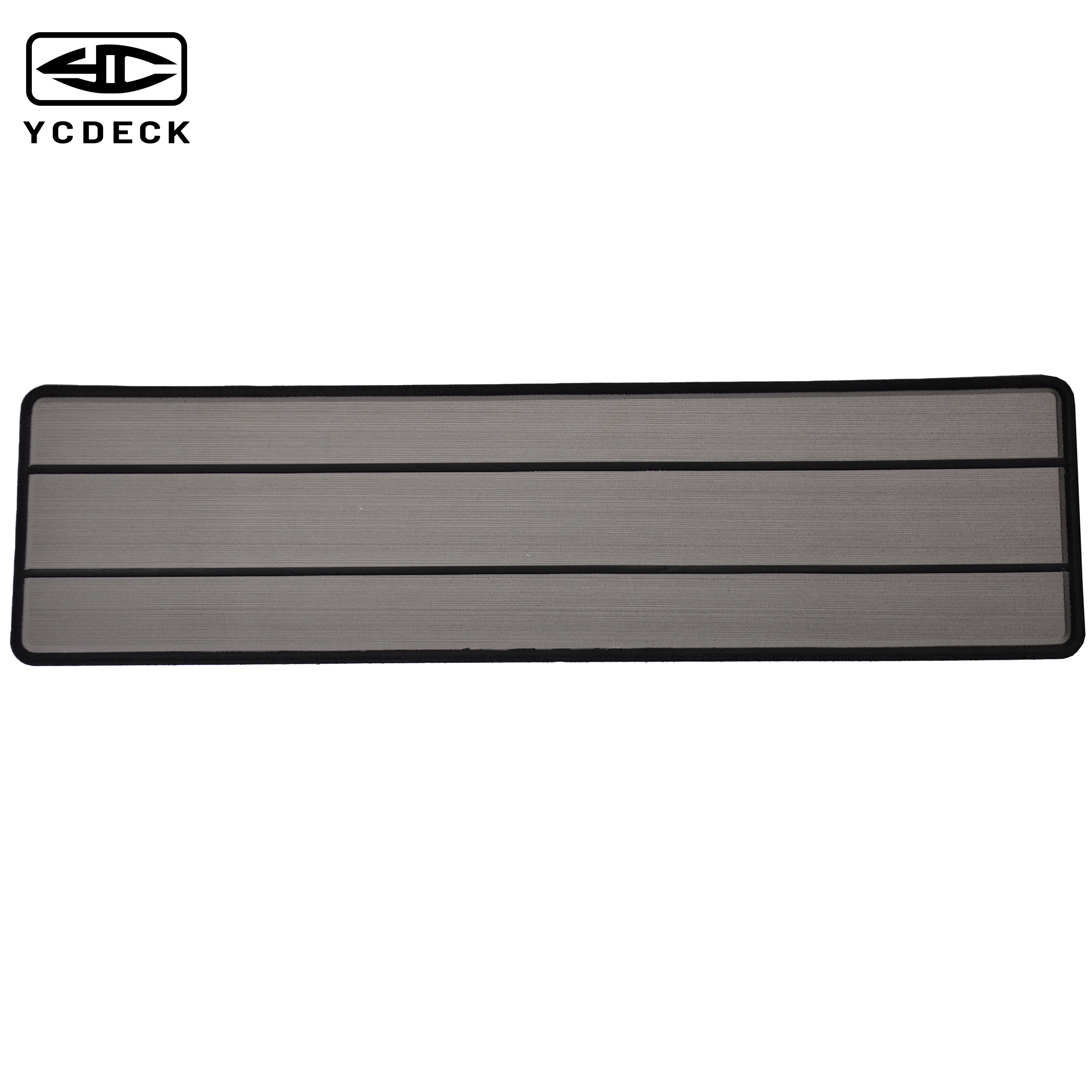
Recreational vehicle owners understand the importance of maintaining every component of their mobile homes, and RV step covers represent a critical investment in long-term protection and safety. These specialized protective solutions shield your vehicle's steps from harsh environmental conditions while providing enhanced traction and durability. When properly selected and installed, RV step covers can significantly extend the lifespan of your RV's entry system while reducing maintenance costs and improving user safety across various weather conditions.
Understanding the Critical Role of Weather Protection
Impact of UV Radiation on Unprotected Steps
Ultraviolet radiation poses one of the most significant threats to recreational vehicle steps, causing gradual degradation of materials over extended exposure periods. Standard RV steps, typically manufactured from aluminum or steel, develop surface oxidation and structural weakening when subjected to continuous UV bombardment. Quality RV step covers incorporate UV-resistant materials that create an effective barrier against these damaging rays, preserving the underlying step structure and maintaining its original appearance for years.
The molecular breakdown caused by UV exposure affects not only the aesthetic appeal of your RV steps but also their functional integrity. Without proper protection, metal surfaces become brittle and prone to cracking, while any existing coatings or finishes deteriorate rapidly. Professional-grade RV step covers utilize advanced polymer technologies and specialized additives that reflect harmful UV wavelengths while maintaining flexibility and adhesion properties essential for long-term performance.
Moisture and Corrosion Prevention Strategies
Moisture infiltration represents another primary concern for RV owners, as water exposure leads to accelerated corrosion and structural compromise of step components. High-quality RV step covers feature waterproof construction that prevents moisture accumulation beneath the protective layer, eliminating conditions conducive to rust formation and metal deterioration. These covers typically incorporate drainage systems and breathable materials that allow trapped moisture to escape while preventing new water ingress.
The relationship between temperature fluctuations and moisture damage becomes particularly problematic in regions experiencing freeze-thaw cycles. When water penetrates unprotected step surfaces and subsequently freezes, the resulting expansion can cause micro-fractures that compromise structural integrity. Properly installed RV step covers maintain consistent surface temperatures and prevent ice formation, protecting against this cyclical damage pattern that often leads to expensive repairs or complete step replacement.
Material Technologies and Durability Features
Advanced EVA Foam Construction Benefits
Ethylene-vinyl acetate foam has emerged as a premium material choice for manufacturing durable RV step covers due to its exceptional resistance to environmental stressors and superior cushioning properties. This closed-cell foam structure provides outstanding water resistance while maintaining flexibility across wide temperature ranges, ensuring consistent performance whether traveling through desert heat or mountain cold. EVA-based RV step covers demonstrate remarkable longevity, often outlasting traditional rubber or vinyl alternatives by several years under identical usage conditions.
The manufacturing process for EVA RV step covers involves precision molding techniques that create uniform density distribution and consistent thickness throughout each unit. This manufacturing approach eliminates weak points and potential failure zones that commonly develop in inferior products. Additionally, EVA materials exhibit excellent chemical resistance against common RV cleaning products, road salts, and petroleum-based substances frequently encountered during travel, maintaining their protective properties without degradation or discoloration.
Surface Texture and Traction Enhancement
Modern RV step covers incorporate sophisticated surface texturing that significantly improves traction under various conditions while remaining comfortable for bare feet and different footwear types. These engineered patterns channel water away from contact surfaces, reducing slip hazards during wet weather conditions. The optimal balance between grip and comfort requires careful consideration of texture depth, pattern geometry, and material hardness to achieve maximum safety benefits without creating uncomfortable walking surfaces.
Research indicates that properly designed RV step covers can reduce slip incidents by up to seventy percent compared to bare metal steps, particularly during adverse weather conditions. The strategic placement of raised elements and drainage channels creates multiple contact points that maintain effectiveness even when contaminated with mud, leaves, or other debris. This enhanced safety factor becomes increasingly important for older adults or individuals with mobility challenges who rely on secure footing when entering or exiting their recreational vehicles.
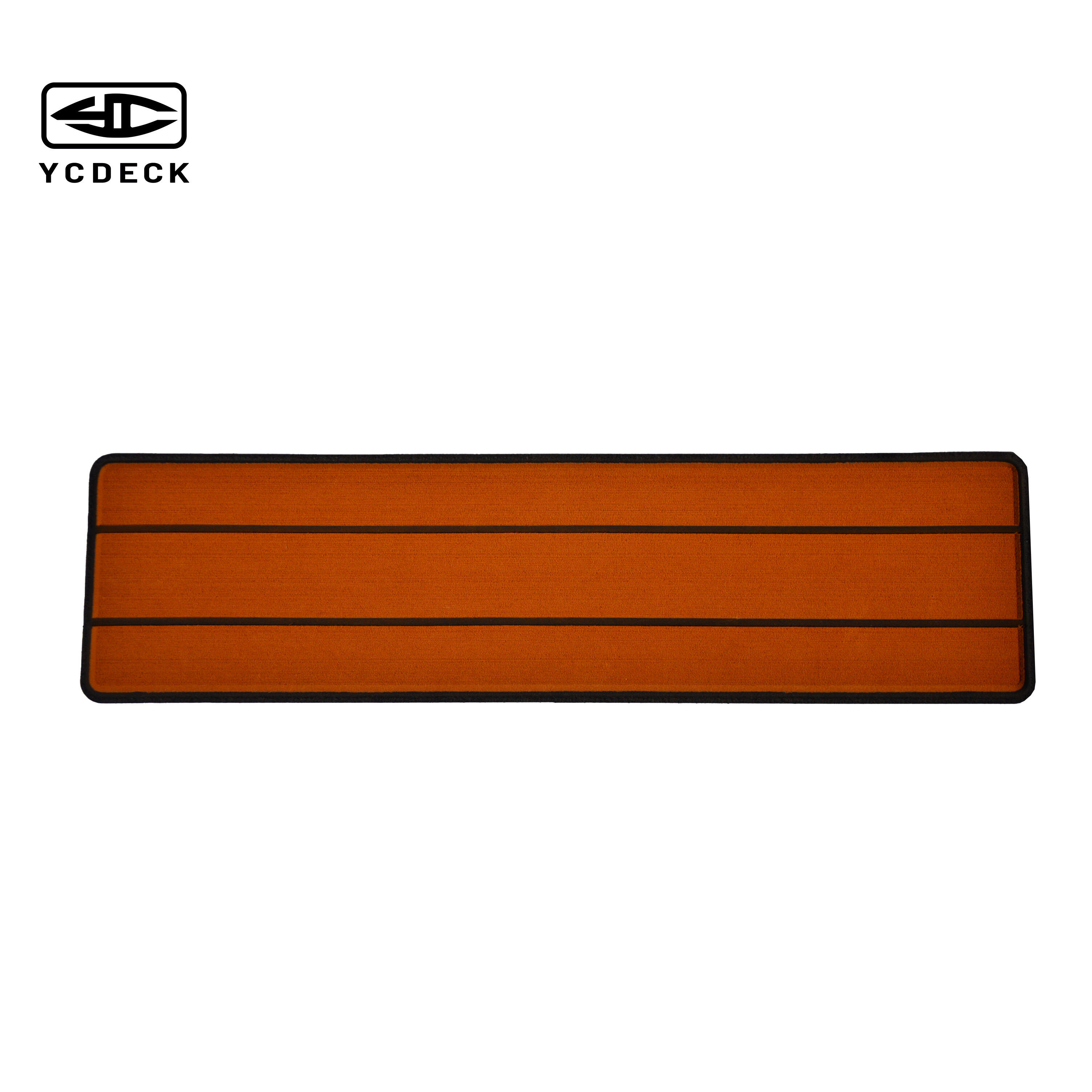
Installation Methods and Long-Term Performance
Adhesive Systems and Bonding Technology
The longevity of RV step covers depends heavily on the quality and application method of the adhesive system used for installation. Premium products utilize pressure-sensitive adhesives specifically formulated for outdoor applications, providing immediate bonding strength while developing increased adhesion over time. These advanced adhesive systems maintain flexibility to accommodate thermal expansion and contraction cycles without losing bond integrity or creating edge lifting that could compromise the protective seal.
Surface preparation plays a crucial role in achieving optimal adhesive performance and ensuring long-term durability of RV step covers. Proper cleaning procedures remove contaminants such as oxidation, road film, and existing protective coatings that could interfere with adhesive bonding. Temperature conditions during installation significantly affect initial bond formation, with most professional-grade adhesives requiring specific temperature ranges for optimal curing and maximum strength development.
Maintenance Requirements and Service Life
Regular maintenance extends the effective service life of RV step covers while preserving their protective and aesthetic properties throughout years of use. Simple cleaning procedures using mild detergents and soft brushes remove accumulated debris without damaging surface textures or compromising material integrity. Periodic inspection of edge sealing and adhesive bond lines allows early detection of potential problems before they develop into significant issues requiring cover replacement.
Environmental factors significantly influence the maintenance requirements and replacement intervals for RV step covers, with units used in harsh coastal environments or extreme temperature regions requiring more frequent attention than those used in moderate climates. Understanding these environmental impacts helps RV owners develop appropriate maintenance schedules and budget for eventual replacement needs. Quality RV step covers typically provide five to seven years of reliable service under normal usage conditions, representing excellent value considering the protection they provide to expensive underlying step structures.
Cost-Benefit Analysis and Value Proposition
Replacement Cost Comparison
The financial benefits of installing protective RV step covers become apparent when comparing their modest cost against the expense of replacing damaged step assemblies. Complete RV step replacement projects often exceed several hundred dollars when factoring in parts, labor, and potential structural modifications required for proper installation. In contrast, quality RV step covers represent a fraction of this expense while providing years of reliable protection against the environmental factors that cause step deterioration.
Beyond direct replacement costs, damaged RV steps can create liability concerns and reduce the resale value of recreational vehicles. Insurance considerations become particularly relevant when slip-and-fall incidents occur due to worn or deteriorated step surfaces. Investing in professional-grade RV step covers demonstrates proactive maintenance practices that insurance companies and potential buyers recognize as indicators of overall vehicle care and attention to safety details.
Safety Investment Returns
The safety benefits provided by quality RV step covers extend beyond simple traction improvement to encompass overall user confidence and accessibility. These safety enhancements become increasingly valuable as RV owners age or when accommodating guests with varying mobility levels. The peace of mind associated with secure, slip-resistant step surfaces contributes to overall enjoyment of the recreational vehicle experience while reducing anxiety about potential accidents or injuries.
Statistical analysis of RV-related accidents indicates that step-related incidents represent a significant percentage of insurance claims and emergency room visits among recreational vehicle users. Professional installation of appropriate RV step covers addresses many of the contributing factors to these incidents while providing long-term protection against environmental degradation that could compromise step safety over time. This proactive approach to safety management aligns with industry best practices and manufacturer recommendations for responsible RV ownership.
FAQ
How long do quality RV step covers typically last under normal conditions
Premium RV step covers manufactured from high-grade EVA materials generally provide five to seven years of reliable service under typical recreational vehicle usage patterns. Factors affecting longevity include exposure to extreme temperatures, frequency of use, cleaning practices, and environmental conditions such as UV intensity and moisture levels. Proper installation and regular maintenance can extend service life beyond average expectations, while harsh operating conditions may require more frequent replacement intervals.
Can RV step covers be removed and reinstalled if necessary
Most quality RV step covers utilize permanent adhesive systems designed for long-term installation rather than temporary or removable applications. While removal is technically possible, the process typically damages both the cover and underlying step surface, making reinstallation impractical. For applications requiring removable protection, specialized covers with mechanical fastening systems are available, though these options may compromise weather sealing and overall protective effectiveness compared to adhesive-mounted alternatives.
Do RV step covers affect the operation of automatic step mechanisms
Properly selected and installed RV step covers should not interfere with automatic step operation when thickness specifications and clearance requirements are carefully considered during product selection. Most quality covers add minimal thickness that falls within normal tolerance ranges for step mechanisms. However, consultation with RV manufacturers or service professionals is recommended before installation on vehicles with complex automatic step systems to ensure compatibility and prevent operational issues.
What maintenance procedures are required to maximize RV step cover performance
Maintaining optimal performance from RV step covers requires regular cleaning with mild soap solutions and periodic inspection of edge sealing and surface condition. Avoid harsh chemicals, abrasive cleaning tools, or high-pressure washing that could damage surface textures or compromise adhesive bonds. Prompt removal of debris, leaves, or other accumulated materials prevents moisture retention and extends cover service life while maintaining optimal traction properties essential for safe operation.