EN
EN


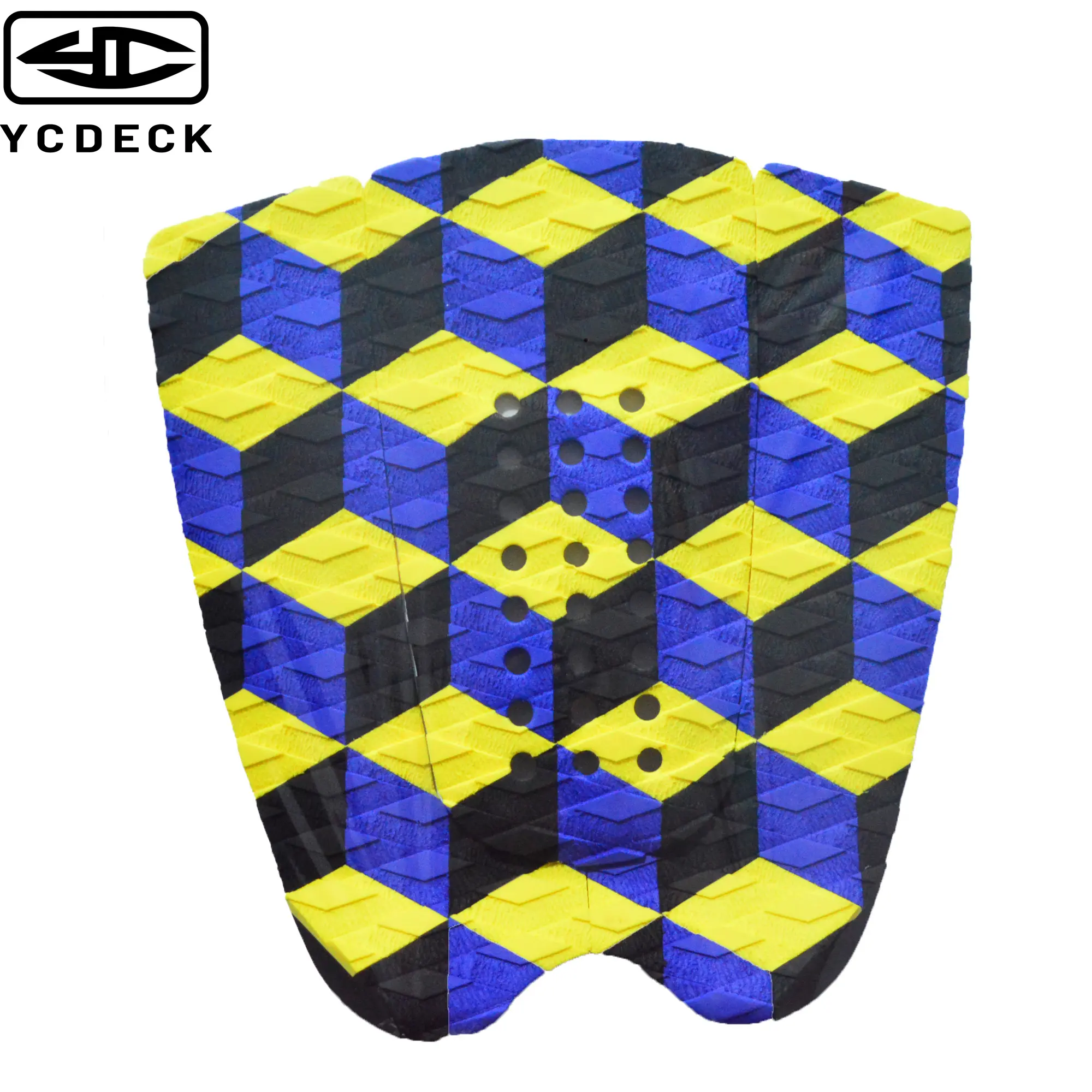
Surf traction pads have revolutionized the way surfers maintain control and grip on their boards, offering enhanced performance across diverse wave conditions and surfing styles. These specialized foam or rubber grip surfaces provide superior foot traction compared to traditional surf wax, delivering consistent performance regardless of water temperature or environmental factors. Modern surf traction pads incorporate advanced materials and ergonomic designs that cater to specific surfing techniques, from aggressive shortboard maneuvers to longboard cross-stepping and everything in between.
The evolution of surf traction technology reflects the sport's continuous quest for improved board control and rider confidence. Professional surfers and recreational enthusiasts alike have embraced these innovative grip solutions as essential equipment for maximizing their potential on the waves. Understanding how surf traction pads enhance board control across different surfing disciplines enables riders to make informed decisions about their equipment choices and optimize their performance in various conditions.
Understanding Surf Traction Pad Technology
Material Composition and Grip Mechanics
Surf traction pads utilize advanced EVA foam compounds and specialized rubber materials engineered for maximum grip and durability in marine environments. These materials feature microscopic surface textures that create friction between the surfer's feet and the board deck, preventing slippage during critical maneuvers. The cellular structure of quality EVA foam provides both cushioning and grip, reducing foot fatigue during extended surf sessions while maintaining consistent traction performance.
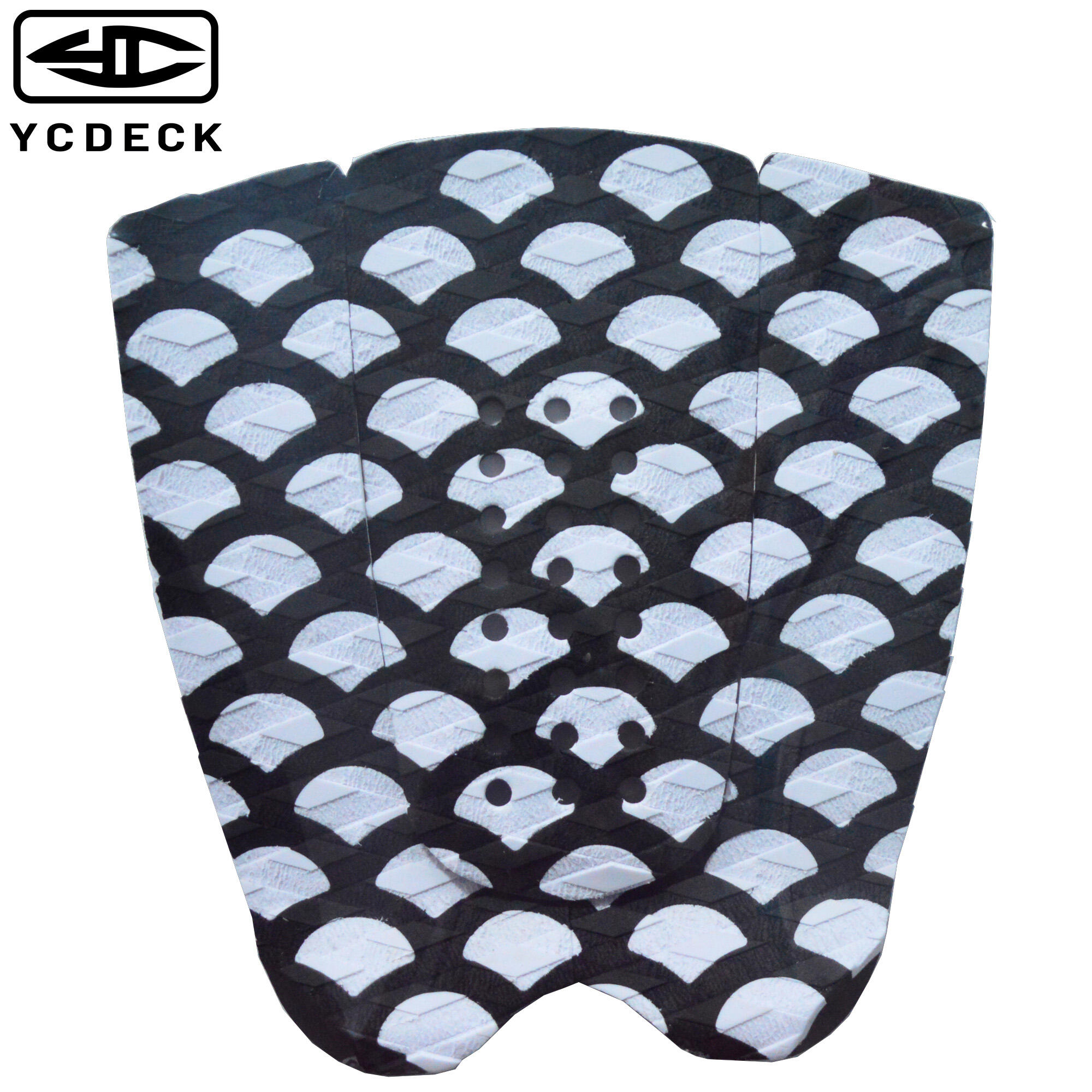
The grip pattern design plays a crucial role in how effectively surf traction pads perform across different surfing styles. Diamond-cut patterns excel for aggressive shortboard riding, providing multidirectional grip for quick directional changes. Circular or dot patterns offer balanced traction suitable for various board types and riding styles. Linear groove patterns facilitate smooth foot repositioning, making them ideal for longboard applications where surfers frequently adjust their stance.
Adhesive Systems and Installation Considerations
Modern surf traction pads employ marine-grade 3M adhesive systems designed to withstand prolonged saltwater exposure and temperature fluctuations. These pressure-sensitive adhesives create permanent bonds with fiberglass and epoxy board surfaces, ensuring the pads remain securely attached throughout their functional lifespan. Proper installation requires clean, dry surfaces and adequate curing time for optimal adhesion strength.
Installation positioning significantly impacts how surf traction pads enhance board control for specific surfing styles. Tail pad placement affects pivot point location and turning leverage, while full-deck coverage provides comprehensive grip for various foot positions. Professional shapers and experienced surfers often customize pad placement based on individual riding preferences and board dimensions to optimize performance characteristics.
Shortboard Performance Enhancement
Aggressive Maneuver Support
Shortboard surfing demands rapid directional changes, powerful carves, and aerial maneuvers that require exceptional board control. Surf traction pads designed for high-performance shortboards feature aggressive grip patterns and strategic kick-tail configurations that enhance leverage during critical turns. The increased friction surface allows surfers to generate maximum power through their back foot while maintaining precise control during dynamic maneuvers.
Competition-level shortboard riders rely on surf traction pads to execute complex aerial maneuvers with confidence and precision. The enhanced grip prevents foot slippage during takeoff and landing phases of aerial attempts, allowing surfers to focus on technique rather than foot placement. This improved board connection translates directly into higher success rates for advanced maneuvers and increased overall performance scores in competitive environments.
Wave Face Navigation and Speed Generation
Effective wave face navigation requires precise foot pressure control and instantaneous board response to rider input. Surf traction pads facilitate this connection by providing consistent grip that allows surfers to modulate their foot pressure with confidence. The enhanced traction enables riders to generate speed through pumping motions while maintaining optimal board trim and positioning within the wave pocket.
Speed generation techniques benefit significantly from the improved board control offered by quality surf traction pads. The consistent grip surface allows surfers to apply precise pressure through their feet to compress and release the board's flex characteristics, maximizing energy transfer from the wave to forward momentum. This enhanced connection between rider and board results in improved speed maintenance and generation capabilities across various wave conditions.
Longboard Control and Style Applications
Cross-Stepping and Nose Riding Techniques
Longboard surfing emphasizes fluid movement and graceful transitions across the board's length, requiring specialized traction solutions that support dynamic foot repositioning. Surf traction pads designed for longboards often feature smoother grip patterns that allow feet to slide smoothly while providing adequate friction when stationary. This balanced approach enables the characteristic cross-stepping motions that define traditional longboard style while maintaining control during nose riding positions.
Nose riding performance depends heavily on subtle weight distribution adjustments and precise foot placement near the board's tip. Strategic traction pad placement in the nose area provides essential grip for maintaining position during extended nose rides while accommodating the fluid movements required for style-focused longboard surfing. The enhanced board control allows riders to execute longer nose rides with greater confidence and style expression.
Turn Initiation and Rail Control
Longboard turning characteristics differ significantly from shortboard dynamics, requiring specific traction considerations for optimal performance. Surf traction pads positioned strategically along the board's length facilitate the wider stance and longer turning radius associated with traditional longboard surfing. The enhanced grip allows surfers to generate turning force through subtle weight shifts and extended carving motions.
Rail-to-rail transitions on longboards benefit from comprehensive traction coverage that supports various foot positions throughout the turning process. Quality surf traction pads enable riders to maintain board control during extended carves and cutbacks while providing the grip security necessary for progressive longboard maneuvers. This enhanced connection between rider and board contributes to improved flow and style in longboard surfing applications.
Mid-Length and Funboard Applications
Versatile Performance Characteristics
Mid-length boards and funboards occupy a unique position in surfboard design, combining elements of both shortboard performance and longboard stability. Surf traction pads for these hybrid designs must accommodate diverse riding styles and wave conditions while providing consistent grip across various foot positions. The versatile nature of these boards requires traction solutions that support both progressive maneuvers and traditional surfing techniques.
Performance optimization for mid-length boards involves strategic surf traction pad placement that enhances both shortboard-style turns and longboard-inspired flow. The balanced approach allows surfers to adapt their riding style to wave conditions while maintaining optimal board control throughout their sessions. This versatility makes mid-length boards with appropriate traction systems ideal for surfers seeking adaptable performance across diverse conditions.
Paddle Performance and Wave Catching
Wave catching efficiency on mid-length and funboards benefits significantly from enhanced traction during paddling phases and wave entry. Surf traction pads provide secure foot placement during prone paddling positions and facilitate quick transitions from lying to standing positions. The improved grip allows surfers to generate maximum paddling power while maintaining optimal board trim and stability.
Transition phases from paddling to riding require precise foot placement and immediate board control establishment. Quality surf traction pads enable smooth transitions by providing instant grip upon foot contact with the board surface. This enhanced connection reduces the learning curve for wave catching and improves overall session productivity across various skill levels and wave conditions.
Environmental Durability and Maintenance
Saltwater Resistance and UV Protection
Marine environmental conditions present unique challenges for surf traction pad materials and adhesive systems. Quality surf traction pads incorporate UV-resistant compounds and saltwater-proof materials that maintain performance characteristics throughout extended exposure to harsh oceanic conditions. These specialized formulations prevent degradation, discoloration, and grip loss that can compromise board control over time.
Long-term durability considerations influence both material selection and manufacturing processes for professional-grade surf traction pads. Advanced polymer chemistry and marine-grade adhesives ensure consistent performance across multiple seasons of regular use. The investment in quality traction systems pays dividends through extended functional lifespan and maintained grip characteristics that support consistent board control throughout the product's life cycle.
Cleaning and Care Procedures
Proper maintenance procedures significantly extend the functional lifespan of surf traction pads while maintaining optimal grip performance. Regular freshwater rinsing removes salt deposits and sand particles that can compromise grip effectiveness and accelerate material degradation. Gentle cleaning with mild detergents helps maintain surface texture integrity without damaging the grip pattern or adhesive bonds.
Storage considerations also impact surf traction pad longevity and performance retention. Avoiding prolonged direct sunlight exposure and extreme temperature fluctuations helps preserve material flexibility and grip characteristics. Proper board storage with appropriate ventilation prevents moisture accumulation that could compromise adhesive integrity or promote bacterial growth within the pad structure.
Installation Techniques and Positioning Strategies
Professional Installation Methods
Professional installation of surf traction pads requires careful attention to surface preparation and positioning accuracy for optimal performance enhancement. Clean, dry board surfaces ensure maximum adhesive bonding strength and prevent installation failures that could compromise board control during critical surfing moments. Temperature considerations during installation affect adhesive curing rates and final bond strength characteristics.
Positioning accuracy directly influences how effectively surf traction pads enhance board control for specific surfing styles. Professional installers consider individual surfer stance preferences, board design characteristics, and intended use applications when determining optimal pad placement. Custom positioning strategies maximize the performance benefits while accommodating unique rider requirements and preferences.
DIY Installation Considerations
Self-installation of surf traction pads requires careful planning and attention to manufacturer guidelines for successful results. Proper surface cleaning with degreasing agents removes wax residues and contaminants that could prevent adequate adhesive bonding. Temperature and humidity conditions during installation significantly impact final adhesion strength and long-term durability.
Measurement and marking techniques ensure accurate positioning before permanent adhesive contact occurs. Many surf traction pads feature removable backing papers that allow temporary positioning adjustments before final installation. Taking time for precise alignment and positioning verification prevents installation errors that could require pad replacement and board surface refinishing.
FAQ
How long do surf traction pads typically last with regular use
Quality surf traction pads typically maintain effective grip performance for 2-3 years with regular recreational use, though professional surfers may replace them annually due to intensive training and competition demands. Factors affecting lifespan include surf frequency, wave conditions, board storage practices, and maintenance consistency. Premium materials and proper installation can extend functional life significantly beyond standard expectations.
Can surf traction pads be removed without damaging the board surface
Professional-grade surf traction pads can be removed using heat application and specialized removal tools without damaging quality fiberglass surfaces, though some adhesive residue typically remains. Hair dryers or heat guns soften marine adhesives for easier removal, while plastic scrapers prevent surface scratching during the process. Adhesive solvents specifically designed for marine applications help remove stubborn residue without compromising board integrity.
Do surf traction pads affect board flexibility and performance characteristics
Modern surf traction pads have minimal impact on board flex characteristics due to their thin profile and flexible material construction. Quality pads complement board design rather than restricting natural flex patterns, actually enhancing performance by improving rider-board connection and control precision. The weight addition is negligible compared to performance benefits gained through enhanced grip and board control capabilities.
Are there specific surf traction pad designs for different wave conditions
Different wave conditions benefit from specific surf traction pad characteristics, with aggressive grip patterns suited for powerful waves and smoother textures appropriate for smaller, less critical conditions. Cold water conditions may require softer pad materials that maintain flexibility, while tropical environments benefit from UV-resistant compounds that prevent degradation. Many professional surfers customize their traction setup based on expected wave conditions and performance requirements for specific sessions or competitions.