EN
EN


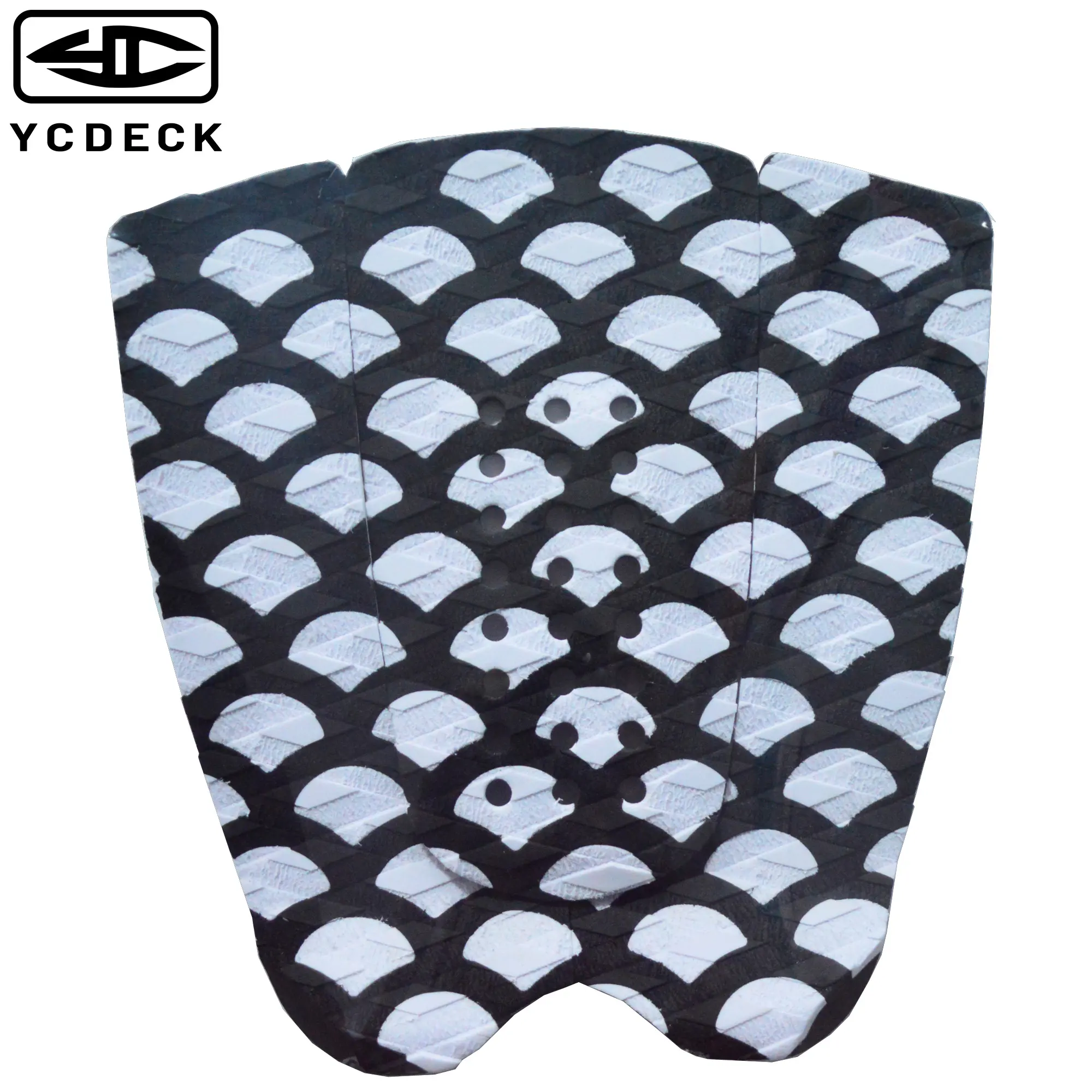
Modern surfboard design has evolved to prioritize the delicate balance between performance and weight, making every ounce crucial for optimal wave riding. EVA surf traction pads represent a breakthrough in surf technology, offering superior grip enhancement without the weight penalties traditionally associated with deck padding solutions. These innovative foam pads utilize ethylene-vinyl acetate polymer technology to create a grip surface that maintains board responsiveness while providing essential foot traction during critical maneuvers.
The weight-to-performance ratio in surfboard equipment directly impacts wave riding dynamics, board maneuverability, and overall surfing experience. Traditional traction solutions often compromise board weight distribution, affecting the natural flex patterns and response characteristics that experienced surfers depend on. Understanding how EVA surf traction pads achieve enhanced grip without weight addition requires examining their unique material properties, construction methods, and application techniques that preserve board performance while maximizing foot security.
Material Science Behind Lightweight EVA Construction
Cellular Structure and Density Engineering
EVA surf traction pads achieve their lightweight characteristics through advanced cellular foam engineering that creates microscopic air pockets within the material matrix. This closed-cell structure reduces overall density while maintaining structural integrity and grip performance. The polymer chains in EVA material naturally form a flexible yet durable network that compresses under foot pressure but returns to original shape, providing consistent traction without material degradation that adds weight over time.
The density engineering process involves precise control of foaming agents during manufacturing, creating uniform cell distribution that optimizes the strength-to-weight ratio. Professional-grade EVA surf traction pads typically maintain densities between 0.3 to 0.5 grams per cubic centimeter, significantly lighter than traditional rubber or cork alternatives. This controlled density ensures that even full-coverage traction pads add minimal weight while delivering maximum grip enhancement across the entire deck surface.
Chemical Composition and Weight Reduction
The ethylene-vinyl acetate copolymer composition inherently provides weight advantages through its molecular structure, which requires less material volume to achieve equivalent grip performance compared to heavier alternatives. The vinyl acetate content, typically ranging from 10% to 40% in surf-specific formulations, determines flexibility and adhesion properties without increasing material density. This chemical balance allows EVA surf traction pads to maintain grip effectiveness while using minimal material thickness.
Advanced EVA formulations incorporate lightweight fillers and processing aids that enhance grip texture without adding significant mass. These additives create surface irregularities that improve foot traction while maintaining the low-density characteristics essential for weight-sensitive surfboard applications. The result is a traction solution that provides superior grip performance using approximately 60% less material weight than conventional rubber padding systems.
Grip Enhancement Mechanisms Without Weight Penalty
Surface Texture Technology
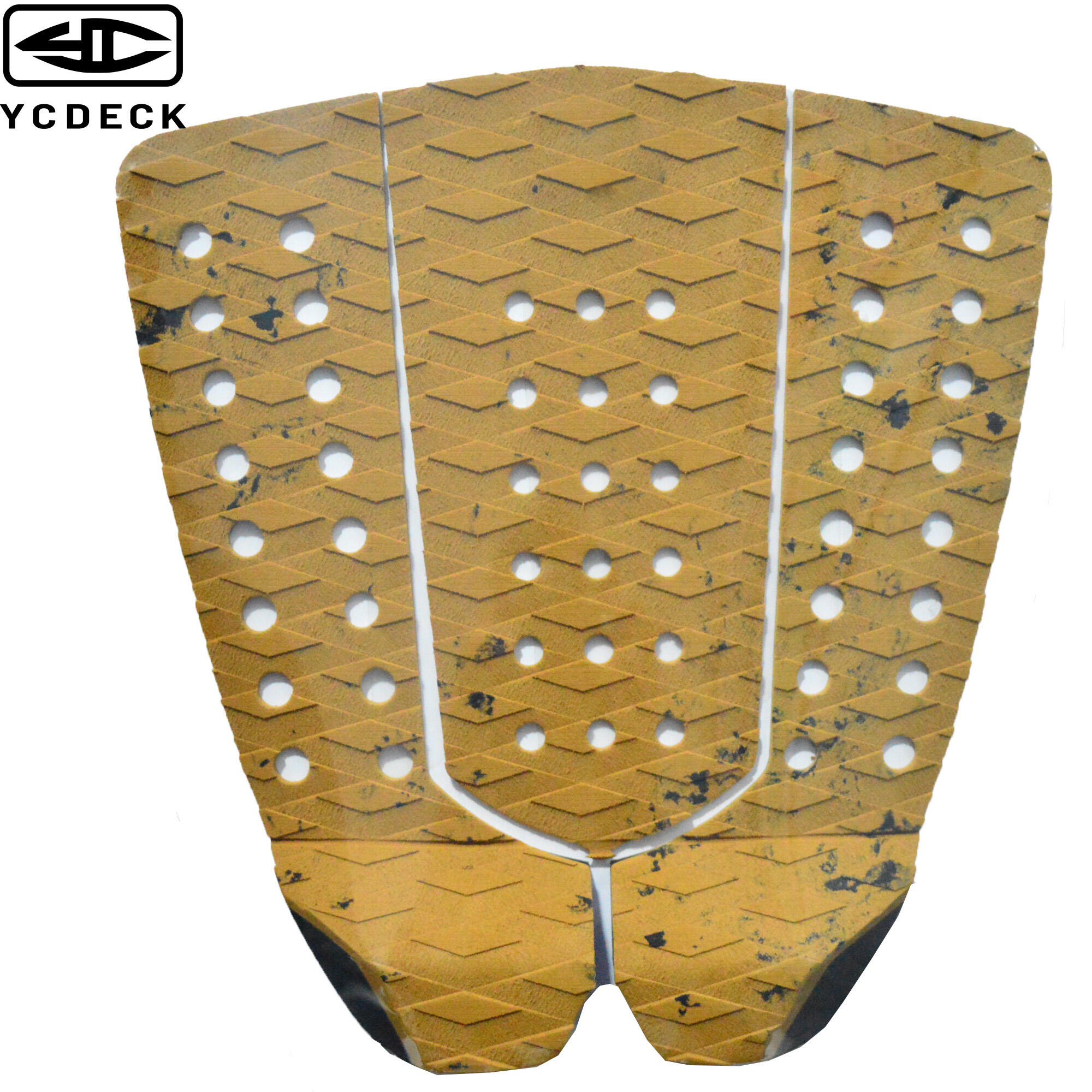
EVA surf traction pads utilize sophisticated surface texturing techniques that maximize grip contact area without requiring additional material thickness or weight. Diamond-cut patterns, grooved channels, and raised dot configurations create multiple contact points that engage with foot surfaces at various pressure levels. These texture patterns work by increasing friction coefficients through mechanical interlocking between foot skin and pad surface, eliminating the need for heavy adhesive compounds or thick padding layers.
The three-dimensional surface topology of quality EVA surf traction pads creates directional grip characteristics that enhance both forward drive and lateral stability during turns. Micro-textures embedded within larger groove patterns provide fine-detail traction that works even when wet, while the overall pattern design channels water away from contact surfaces. This dual-level texturing approach maximizes grip effectiveness without requiring the material thickness that would add unnecessary weight to the surfboard.
Compression Response and Energy Transfer
The lightweight cellular structure of EVA surf traction pads provides optimal compression response that enhances grip through dynamic pressure distribution rather than static weight. When foot pressure is applied, the EVA material compresses predictably, creating a larger contact area that improves grip without requiring permanent deformation that adds material bulk. This compression response mechanism allows riders to generate increased traction during critical moments while maintaining minimal material presence during normal riding.
Energy transfer efficiency through EVA surf traction pads remains high due to the material's ability to transmit rider input directly to the board surface without energy absorption typical of heavier padding materials. The lightweight construction prevents energy dampening while the surface texture ensures positive foot engagement, creating an optimal balance between grip enhancement and board responsiveness. This energy transfer characteristic enables aggressive surfing maneuvers without the performance penalties associated with traditional heavy traction solutions.
Installation and Weight Distribution Considerations
Adhesive Technology and Minimal Material Addition
Modern EVA surf traction pads utilize advanced 3M marine-grade adhesives that create permanent bonds while adding virtually no measurable weight to the installation. These pressure-sensitive adhesives require only microscopic application thickness to achieve full strength bonding, typically adding less than 0.1 millimeters to the overall pad thickness. The adhesive technology eliminates the need for mechanical fasteners, screws, or additional hardware that would increase board weight and potentially compromise structural integrity.
The adhesive application process involves precision coating techniques that ensure uniform distribution without excess material that would add unnecessary weight. Professional-quality EVA surf traction pads feature pre-applied adhesive systems that optimize coverage area while minimizing adhesive volume, creating bonds that withstand marine environments without weight accumulation from water absorption or adhesive degradation over time.
Strategic Placement for Weight Optimization
Proper installation of EVA surf traction pads involves strategic placement that maximizes grip benefits while minimizing any impact on board weight distribution and balance. Professional installation techniques focus on positioning pads in high-contact areas where grip enhancement provides maximum benefit, avoiding unnecessary coverage that would add material without proportional performance gains. This targeted approach ensures that weight addition remains minimal while grip improvement is maximized.
The modular design of quality EVA surf traction pads allows customized installation patterns that accommodate individual surfing styles and board dimensions without excess material application. Riders can achieve optimal grip enhancement using only the pad components necessary for their specific needs, maintaining minimal weight addition while ensuring complete traction coverage in critical foot placement areas. This customization capability prevents over-installation that could compromise the weight-conscious design philosophy.
Performance Benefits and Real-World Applications
Professional Surfing Applications
Professional surfers consistently choose EVA surf traction pads for competitive applications specifically because these products enhance grip performance without compromising board weight limits or performance characteristics. World-class surf competitions often have strict equipment regulations that make weight considerations critical, and EVA technology meets these requirements while providing the grip security necessary for high-level performance surfing. The lightweight nature allows professional riders to maintain optimal board responsiveness while ensuring foot security during aerial maneuvers and critical turns.
Competitive surfing applications demonstrate the real-world effectiveness of EVA surf traction pads in providing enhanced grip without weight penalties that affect scoring potential. Professional riders report improved confidence during challenging maneuvers, knowing their foot placement will remain secure without the board feeling heavy or unresponsive. This performance balance has made EVA technology the standard choice for professional surfboard traction applications worldwide.
Recreational and All-Conditions Benefits
Recreational surfers benefit from EVA surf traction pads through improved safety and confidence without the intimidating weight changes that might affect their developing surfing technique. Beginning and intermediate surfers can install comprehensive traction coverage that enhances their grip security while learning, without worrying that additional weight will negatively impact their board handling or progression. This accessibility makes EVA technology ideal for surf instruction and skill development applications.
All-conditions surfing scenarios, from small wave beach breaks to challenging reef conditions, benefit from the reliable grip enhancement that EVA surf traction pads provide without weight-related performance compromises. The lightweight construction ensures that boards remain maneuverable in varying wave conditions while the superior grip properties enhance rider confidence across different surfing environments. This versatility makes EVA technology suitable for diverse surfing applications and rider skill levels.
Long-Term Durability Without Weight Accumulation
Material Degradation Resistance
EVA surf traction pads maintain their lightweight characteristics throughout their service life due to superior resistance to material degradation that affects weight and performance in traditional traction solutions. The closed-cell structure prevents water absorption that would increase weight over time, while UV-resistant formulations prevent breakdown that could create material density changes. This long-term stability ensures that the weight benefits achieved during initial installation remain consistent throughout the product lifespan.
Chemical resistance properties in quality EVA surf traction pads prevent deterioration from salt water, sunscreen, and other marine chemicals that typically cause material swelling or weight gain in inferior products. The polymer stability of EVA material maintains original density and weight characteristics even after extended exposure to harsh surfing environments, ensuring that grip enhancement benefits continue without progressive weight accumulation that would affect board performance.
Maintenance and Weight Preservation
Proper maintenance of EVA surf traction pads involves simple cleaning procedures that preserve both grip effectiveness and lightweight characteristics without requiring material additions or treatments that might increase weight. Regular freshwater rinsing removes salt and debris while maintaining original material properties, and occasional gentle cleaning with mild soap ensures optimal surface texture without damaging the cellular structure that provides weight advantages.
The maintenance requirements for EVA surf traction pads remain minimal compared to traditional traction solutions, eliminating the need for protective treatments, sealers, or replacement components that would add weight or complexity to the installation. This low-maintenance characteristic ensures that the weight-conscious benefits of EVA technology continue throughout the product life without requiring additional materials or interventions that might compromise the original design advantages.
FAQ
How much weight do EVA surf traction pads typically add to a surfboard?
EVA surf traction pads typically add between 1-3 ounces (28-85 grams) to a surfboard, depending on coverage area and pad thickness. A complete 3-piece tail pad usually adds approximately 1.5 ounces, while full-deck coverage might add 2.5-3 ounces total. This minimal weight addition represents less than 1% of typical surfboard weight and has negligible impact on board performance or buoyancy characteristics.
Do EVA traction pads affect surfboard flex and responsiveness?
Quality EVA surf traction pads have minimal impact on surfboard flex due to their thin profile (typically 5-7mm) and lightweight construction. The EVA material flexes with the board rather than restricting natural movement, and the strategic placement in non-critical flex zones ensures that board responsiveness remains largely unchanged. Professional surfers report no noticeable difference in board feel when using properly installed EVA traction pads.
Can EVA traction pads be removed without damaging the surfboard?
EVA surf traction pads can be removed using heat application and careful peeling techniques, though complete removal may require adhesive residue cleanup. A hair dryer or heat gun can soften the adhesive for easier removal, and commercial adhesive removers can clean remaining residue without damaging board surfaces. However, removal should be considered carefully as reinstallation requires new pads due to adhesive degradation during the removal process.
How long do EVA surf traction pads maintain their grip properties?
High-quality EVA surf traction pads typically maintain effective grip properties for 2-4 years of regular use, depending on usage frequency and environmental exposure. The material's UV resistance and closed-cell structure prevent rapid degradation, while the textured surface maintains grip effectiveness even as minor surface wear occurs. Professional-grade EVA pads often exceed 4 years of effective service life under normal recreational surfing conditions.