EN
EN


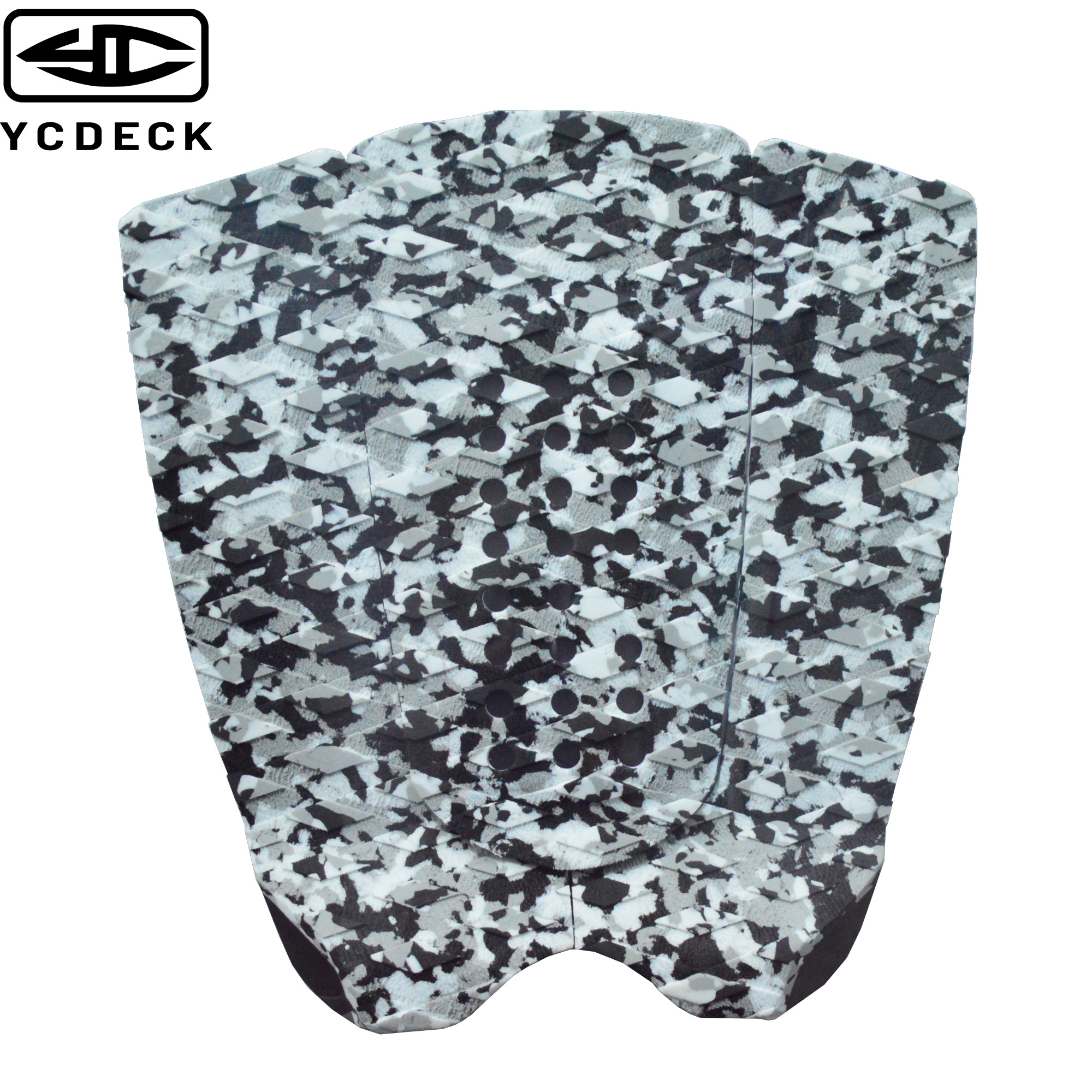
Wipeouts in challenging waves can transform an exhilarating surf session into a frustrating or dangerous experience, often resulting from poor foot placement and inadequate board control. When waves reach critical heights or deliver unexpected force, surfers need maximum grip and stability to maintain their stance and execute maneuvers effectively. Reliable surf traction pads serve as the crucial interface between surfer and board, providing the essential grip needed to prevent catastrophic slips that lead to wipeouts in demanding surf conditions.
The physics of challenging waves creates multiple forces that can destabilize even experienced surfers, making quality surf traction pads an essential safety and performance component. When waves break with increased power, the resulting turbulence, sudden direction changes, and powerful water movements require precise foot positioning and unwavering board connection. Professional surfers and wave safety experts consistently emphasize that proper traction is fundamental to maintaining control during critical wave moments, where a single slip can result in dangerous wipeouts that compromise both performance and safety.
The Biomechanical Connection Between Foot Grip and Wipeout Prevention
How Foot Stability Affects Wave Riding Performance
The human foot contains thousands of nerve endings and proprioceptors that provide crucial feedback about balance, pressure distribution, and surface contact during wave riding. When surf traction pads create a secure connection between foot and board, these sensory systems can function optimally, allowing surfers to make micro-adjustments that prevent loss of control. The textured surface of quality traction pads engages the natural grip mechanisms of the foot, creating multiple contact points that distribute pressure evenly and reduce the risk of sudden slippage that leads to wipeouts.
Research in sports biomechanics demonstrates that stable foot placement directly correlates with improved balance reactions and faster corrective responses during dynamic movements. In challenging wave conditions, surfers must constantly adjust their center of gravity and weight distribution to maintain equilibrium against powerful water forces. Effective surf traction pads enable these adjustments by providing consistent grip regardless of water flow, board angle, or wave impact intensity, creating the stable foundation necessary for successful wave navigation.
The Role of Tactile Feedback in Accident Prevention
Advanced surf traction pads incorporate specific texture patterns designed to maximize tactile feedback while maintaining comfort during extended surf sessions. This tactile connection allows surfers to feel their exact foot position without looking down, enabling them to maintain visual focus on incoming waves and potential hazards. The enhanced sensory input from quality traction pads helps surfers detect early signs of foot slippage, allowing for proactive grip adjustments before complete loss of control occurs.
The neurological pathways that process tactile information from the feet operate faster than visual processing, making this sensory feedback crucial for split-second decisions in challenging surf conditions. When surf traction pads provide clear, consistent tactile signals, surfers can react instinctively to maintain balance and board control even when visual conditions are compromised by spray, foam, or rapid wave movement.
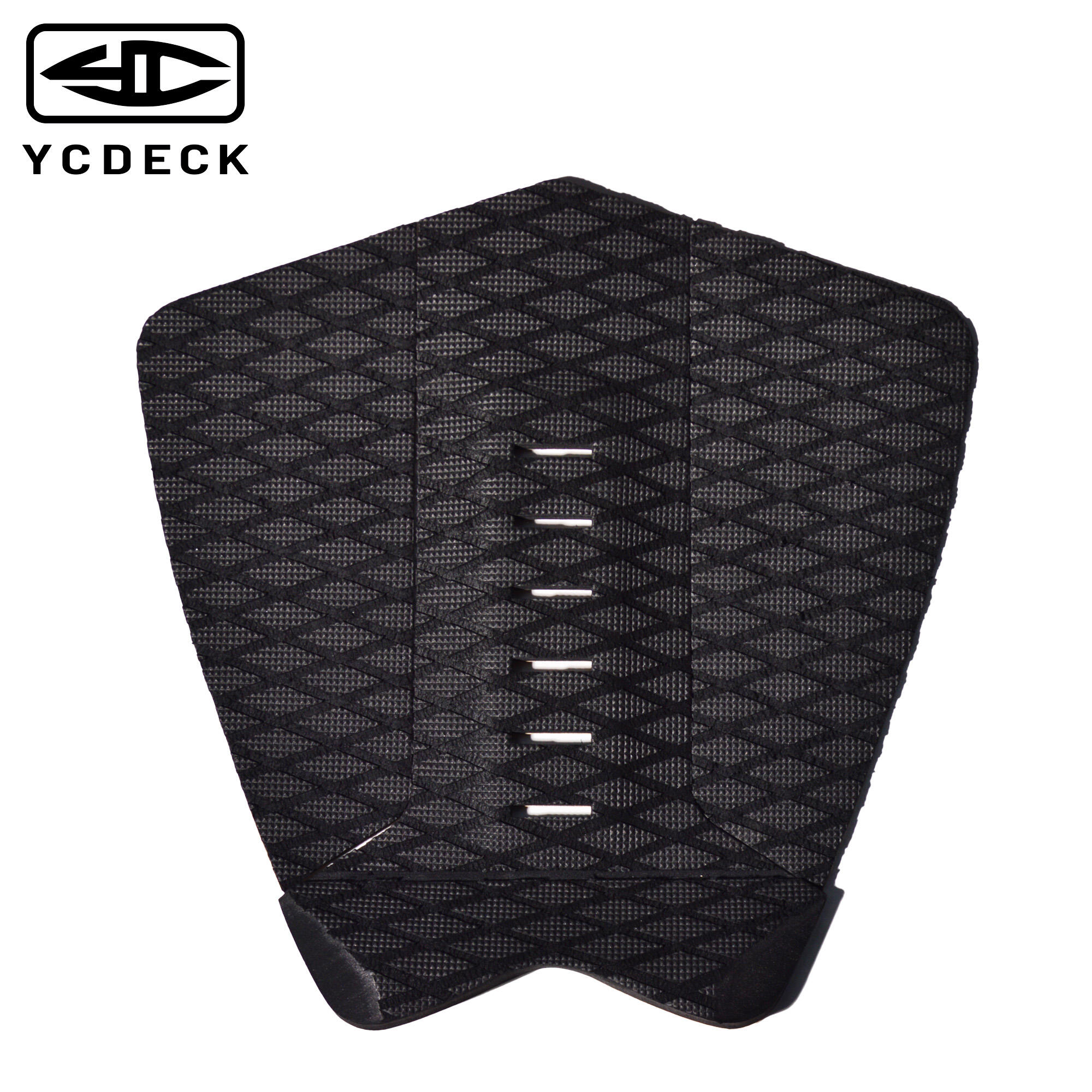
Wave Physics and Grip Requirements for Safe Surfing
Understanding Force Dynamics in Challenging Surf Conditions
Challenging waves generate multiple force vectors that simultaneously push, pull, and rotate surfboards in unpredictable directions, creating complex stability challenges that require exceptional grip to overcome. The hydraulic forces present in powerful waves can exceed several times a surfer's body weight, making adequate traction essential for maintaining board connection during critical moments. Advanced surf traction pads are engineered to withstand these extreme forces while providing consistent grip performance across varying wave conditions and board orientations.
Wave energy transfer occurs through both direct impact and continuous water flow, creating dynamic grip requirements that change throughout each wave ride. The most dangerous moments for wipeouts typically occur during transitions between different wave sections, where force directions change rapidly and unpredictably. Quality surf traction pads maintain their grip effectiveness across these varying force applications, providing reliable foot-to-board connection regardless of wave complexity or power intensity.
How Water Flow Patterns Affect Grip Security
Water flow across surfboard surfaces creates additional challenges for maintaining secure foot placement, particularly in powerful surf where water volume and velocity increase dramatically. The design characteristics of effective surf traction pads include specific drainage patterns and surface textures that channel water away from contact points while maintaining grip integrity. These engineering features prevent the formation of water films that can cause sudden slippage and subsequent wipeouts in critical wave situations.
Professional testing of surf traction pads under simulated wave conditions reveals that superior products maintain grip effectiveness even when saturated with high-velocity water flow. The molecular composition and surface architecture of advanced traction pads create friction coefficients that remain stable across wet and dry conditions, ensuring consistent performance when wipeout risks are highest. This reliability becomes particularly crucial during long surf sessions where cumulative fatigue can reduce natural balance responses.
Material Science and Grip Technology in Modern Traction Systems
Advanced Polymer Compositions for Superior Grip
Modern surf traction pads utilize advanced polymer blends specifically formulated to maximize friction while maintaining flexibility and durability under extreme marine conditions. These materials incorporate molecular structures that create multiple scales of surface roughness, from microscopic texture elements to larger grip patterns that engage different aspects of foot anatomy. The resulting multi-level grip system provides redundant traction mechanisms that reduce wipeout probability even when individual grip elements become compromised by sand, wax, or debris.
Temperature stability represents another critical factor in traction pad performance, as surf conditions often involve significant thermal variations that can affect material properties. High-quality surf traction pads maintain consistent grip characteristics across temperature ranges from freezing cold water to tropical heat, ensuring reliable performance regardless of geographic location or seasonal conditions. This temperature stability prevents grip degradation that could contribute to unexpected wipeouts in challenging surf environments.
Surface Pattern Engineering for Optimal Traction
The geometric design of traction pad surfaces involves complex engineering considerations that balance maximum grip with user comfort and material longevity. Advanced surface patterns incorporate directional elements that provide enhanced grip during specific maneuvers while maintaining omnidirectional traction for general stability. These patterns are developed through extensive testing with professional surfers in various wave conditions to optimize performance characteristics that directly reduce wipeout frequency.
Computer modeling and fluid dynamics analysis inform the development of surface patterns that effectively manage water flow while maximizing contact area between foot and pad. The resulting designs create turbulent flow patterns that break up water films while providing multiple grip zones that engage different pressure points on the foot. This comprehensive approach to surface engineering ensures that surf traction pads deliver consistent wipeout prevention across diverse surfing scenarios and skill levels.
Installation and Maintenance Factors That Maximize Safety Benefits
Proper Placement Strategies for Optimal Performance
The positioning of surf traction pads on surfboard surfaces significantly impacts their effectiveness in preventing wipeouts, requiring careful consideration of individual surfing style, board dimensions, and typical wave conditions. Optimal placement involves analyzing foot positioning patterns during various maneuvers and wave situations to ensure maximum coverage of critical contact areas. Professional surf instructors emphasize that even the highest quality traction pads cannot provide adequate wipeout prevention if positioned incorrectly relative to natural foot placement patterns.
Measurement precision during installation ensures that surf traction pads align with the natural stance and movement patterns of individual surfers, maximizing grip effectiveness during challenging wave conditions. The distance between front and rear pad sections, angle orientation, and overall coverage area must be customized based on personal surfing characteristics and board specifications. This attention to installation detail directly correlates with improved safety outcomes and reduced wipeout frequency in demanding surf environments.
Maintenance Protocols That Preserve Grip Integrity
Regular maintenance of surf traction pads involves specific cleaning and inspection procedures that preserve grip effectiveness and extend product lifespan under harsh marine conditions. Salt buildup, sand accumulation, and organic matter can gradually reduce traction performance, creating conditions that increase wipeout risk during challenging surf sessions. Established maintenance protocols include systematic cleaning routines, adhesion monitoring, and replacement timing that ensures consistent safety performance throughout the product lifecycle.
Environmental factors such as UV exposure, temperature cycling, and chemical exposure from sunscreens or board care products can affect traction pad performance over time. Proper maintenance practices address these factors through protective measures and regular performance assessments that identify potential grip degradation before it compromises safety in challenging wave conditions. Professional surfers often implement maintenance schedules that correlate with surf frequency and environmental exposure to optimize traction pad longevity and reliability.
FAQ
How long do surf traction pads maintain their grip effectiveness in challenging conditions?
Quality surf traction pads typically maintain optimal grip performance for 12-18 months under regular use in challenging surf conditions, though this varies based on surf frequency, wave intensity, and maintenance practices. Professional-grade materials can extend this timeframe to 2-3 years with proper care, while budget options may show grip degradation within 6-12 months of intensive use in powerful waves.
Can surf traction pads prevent all types of wipeouts in challenging waves?
While surf traction pads significantly reduce wipeouts caused by foot slippage and poor grip, they cannot prevent all wipeout scenarios in challenging waves. Factors such as wave size exceeding skill level, equipment failure, or environmental hazards may still result in wipeouts regardless of traction quality. However, reliable traction pads eliminate grip-related wipeouts, which represent a substantial percentage of accidents in powerful surf conditions.
What grip characteristics should surfers prioritize when selecting traction pads for challenging waves?
Surfers should prioritize multi-directional grip patterns, superior wet-condition performance, and durable adhesion systems when selecting traction pads for challenging waves. The ideal combination includes aggressive surface textures that maintain grip under high water flow, temperature-stable materials that perform consistently across conditions, and drainage features that prevent water film formation during powerful wave encounters.
How do surf traction pads compare to traditional wax for wipeout prevention in powerful surf?
Surf traction pads provide more consistent and reliable grip than traditional wax in challenging wave conditions, as they resist washing off and maintain performance characteristics regardless of water temperature or wave power. While wax requires constant reapplication and can become slippery in certain conditions, quality traction pads deliver predictable grip that remains stable throughout extended surf sessions in powerful waves, making them superior for serious wipeout prevention.
Table of Contents
- The Biomechanical Connection Between Foot Grip and Wipeout Prevention
- Wave Physics and Grip Requirements for Safe Surfing
- Material Science and Grip Technology in Modern Traction Systems
- Installation and Maintenance Factors That Maximize Safety Benefits
-
FAQ
- How long do surf traction pads maintain their grip effectiveness in challenging conditions?
- Can surf traction pads prevent all types of wipeouts in challenging waves?
- What grip characteristics should surfers prioritize when selecting traction pads for challenging waves?
- How do surf traction pads compare to traditional wax for wipeout prevention in powerful surf?