EN
EN


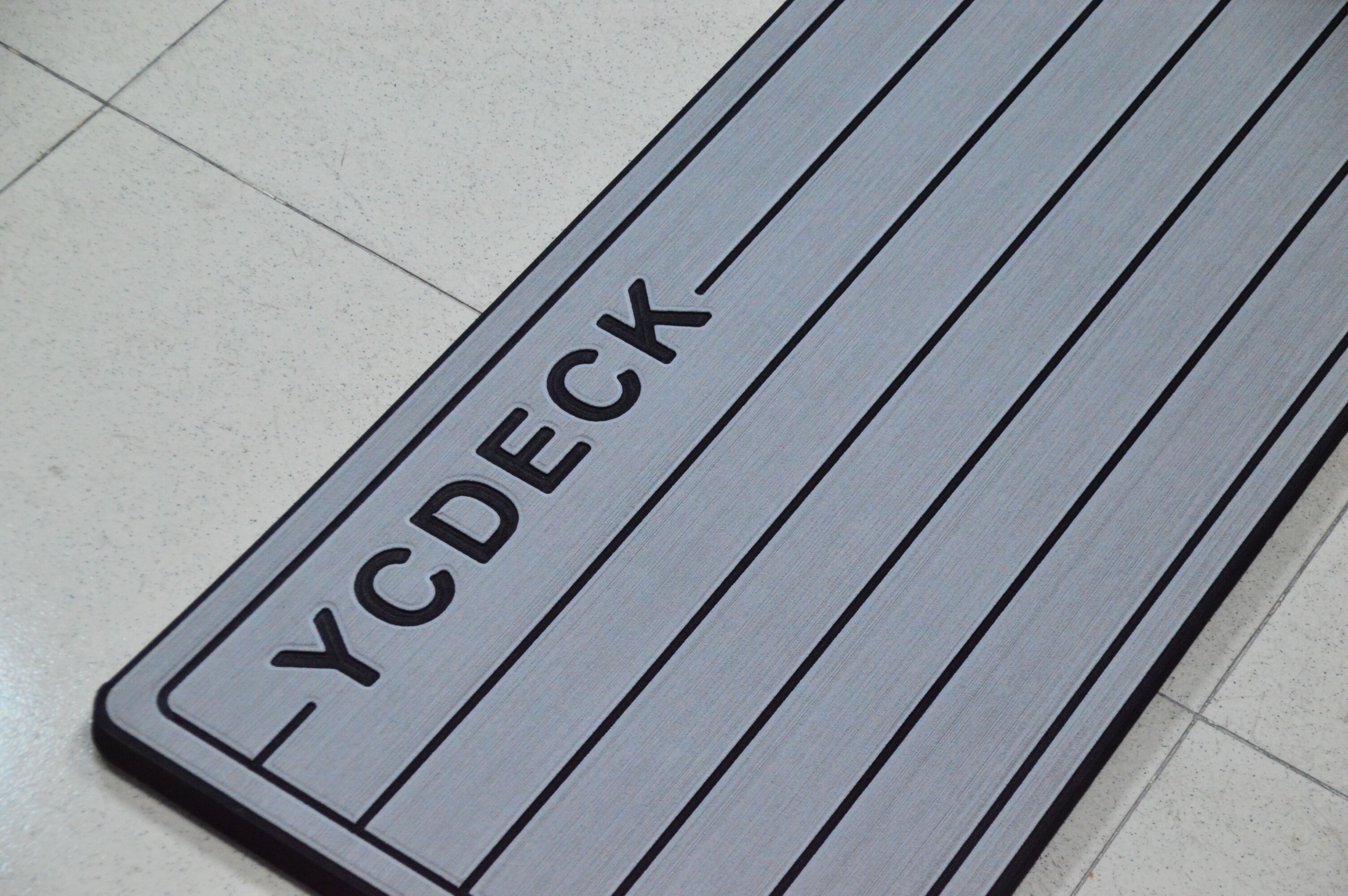
Professional boat operators understand that safety and comfort at the helm are not luxuries but necessities for effective vessel operation. The helm station serves as the command center where critical navigation decisions are made, often during extended periods in challenging maritime conditions. Custom helm pads have emerged as essential safety equipment that significantly enhances both operator comfort and vessel safety through improved traction, reduced fatigue, and enhanced stability during boat operations.
The marine environment presents unique challenges that standard flooring solutions cannot adequately address. Wet surfaces, constant movement, and varying weather conditions create hazardous situations where operators can lose footing or experience excessive fatigue. Professional marine applications require specialized solutions that can withstand harsh saltwater environments while providing consistent performance under demanding operational conditions.
Understanding the Critical Role of Helm Safety
Maritime Safety Regulations and Standards
Maritime safety authorities worldwide have established comprehensive guidelines for vessel operation that emphasize the importance of secure helm stations. These regulations recognize that operator stability directly impacts navigation accuracy, emergency response capabilities, and overall vessel safety. Professional vessels must meet stringent safety standards that include provisions for non-slip surfaces and operator comfort measures at critical control positions.
Commercial fishing vessels, offshore work boats, and passenger transport craft face particularly rigorous inspection requirements regarding helm station safety. Coast Guard inspections frequently focus on the adequacy of anti-slip measures and operator safety equipment at steering positions. Vessel operators who invest in proper helm safety equipment demonstrate compliance with these essential safety protocols while protecting their crew and passengers.
Operator Fatigue and Performance Impact
Extended periods at the helm can lead to significant operator fatigue, particularly when standing on hard surfaces without adequate cushioning or traction. Research in maritime ergonomics has demonstrated that operator fatigue directly correlates with decreased reaction times, impaired decision-making, and increased accident risk. Professional boat operators who work long shifts require supportive surfaces that reduce physical strain and maintain alertness throughout their operational periods.
The cumulative effect of operator fatigue extends beyond individual comfort to encompass vessel safety and operational efficiency. When helm operators experience excessive physical stress from unstable footing or uncomfortable surfaces, their ability to respond quickly to changing conditions becomes compromised. This degradation in performance can have serious consequences in emergency situations or challenging weather conditions where split-second decisions are critical.
Material Science and Marine Applications
EVA Foam Technology in Marine Environments
Ethylene-vinyl acetate foam represents a significant advancement in marine decking materials, offering superior performance characteristics specifically suited to nautical applications. This closed-cell foam structure provides excellent buoyancy, chemical resistance, and durability under constant exposure to saltwater and UV radiation. The material's inherent properties make it ideal for custom helm pads that must withstand harsh marine conditions while maintaining their safety and comfort properties.
Professional-grade EVA foam exhibits remarkable resistance to degradation from marine chemicals, fuel spills, and cleaning agents commonly used in vessel maintenance. The material's closed-cell structure prevents water absorption, eliminating the problems of mold, mildew, and bacterial growth that plague traditional marine flooring materials. This resistance to biological contamination is particularly important in commercial applications where hygiene and cleanliness standards are strictly regulated.
Anti-Slip Surface Engineering
The surface texture of professional helm pads incorporates advanced anti-slip technology that maintains effectiveness even when wet or contaminated with marine substances. Diamond-pattern texturing and specialized surface treatments create multiple contact points that enhance grip while allowing water and debris to drain effectively. This engineering approach ensures consistent traction performance regardless of weather conditions or operational circumstances.
Surface engineering for marine applications must balance aggressive traction with comfort during extended contact periods. Too aggressive a texture can cause discomfort during long operational periods, while insufficient texture compromises safety in wet conditions. Professional helm pad manufacturers utilize sophisticated testing protocols to optimize surface characteristics for maximum safety without sacrificing operator comfort during extended use.
Customization Benefits for Professional Applications
Vessel-Specific Design Considerations
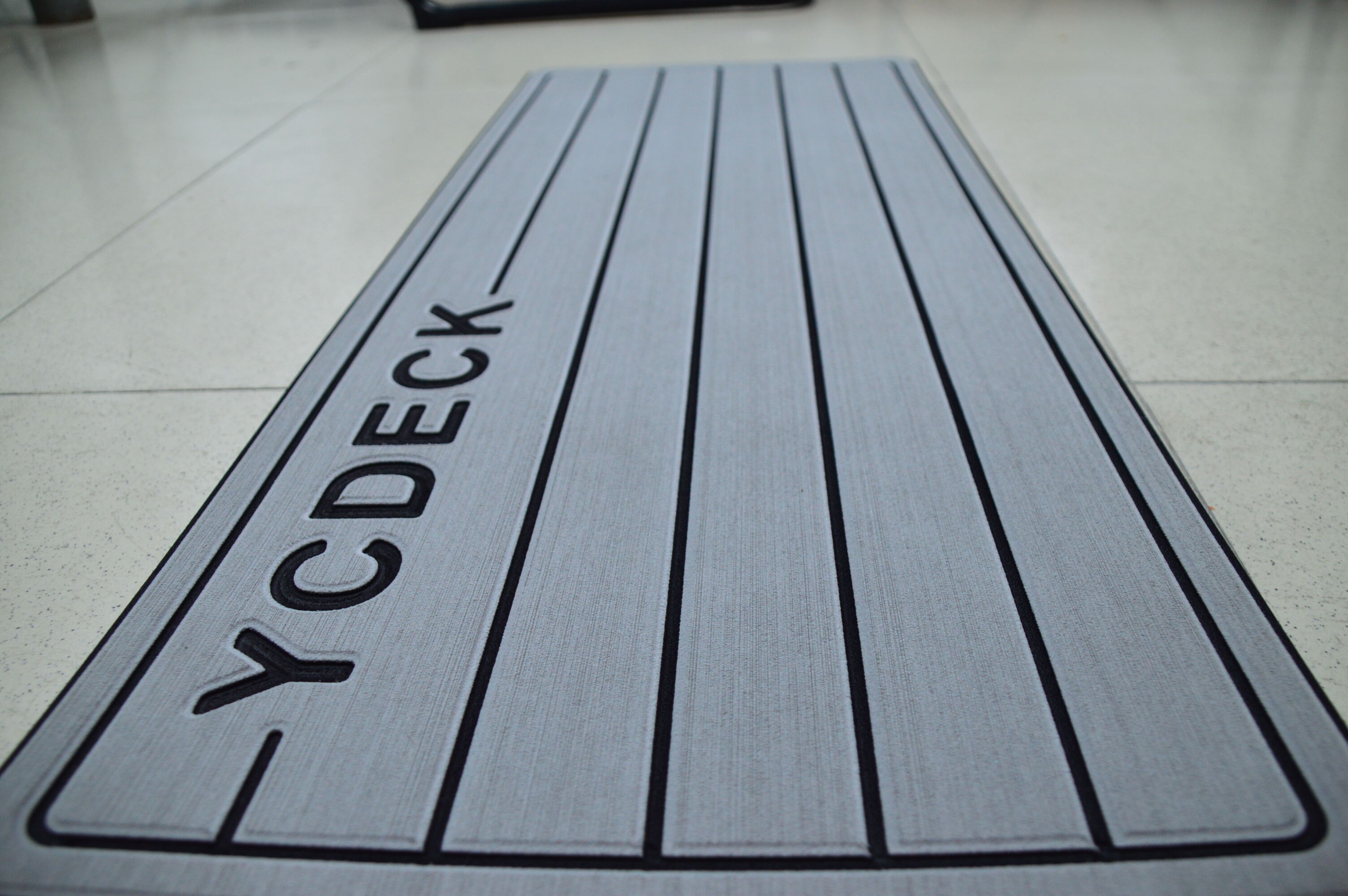
Professional vessels vary significantly in their helm station configurations, requiring customized solutions that integrate seamlessly with existing equipment and layouts. Custom helm pads can be precisely engineered to accommodate specific dimensions, equipment mounting points, and operational requirements unique to each vessel type. This customization ensures optimal coverage and protection while maintaining accessibility to all necessary controls and instruments.
Commercial fishing vessels, for example, require helm pads that accommodate frequent equipment changes and heavy-duty use patterns. Offshore service vessels need solutions that integrate with complex navigation and communication equipment while providing secure footing during dynamic positioning operations. Each application demands specific design considerations that can only be addressed through comprehensive customization approaches.
Integration with Existing Systems
Professional helm stations often incorporate sophisticated electronic systems, hydraulic controls, and communication equipment that require careful integration with safety flooring solutions. Custom helm pads can be designed with precise cutouts for cable routing, equipment mounting, and access panels while maintaining structural integrity and safety performance. This integration capability ensures that safety improvements do not compromise operational functionality or equipment accessibility.
The installation of custom helm pads must consider the complex systems integration requirements of modern professional vessels. Advanced navigation systems, radar equipment, and communication arrays require specific spacing and access requirements that must be accommodated without compromising the safety benefits of the helm pad installation. Professional marine contractors understand these integration challenges and can design solutions that enhance safety while preserving full system functionality.
Installation and Maintenance Considerations
Professional Installation Techniques
Proper installation of custom helm pads requires specialized knowledge of marine construction techniques and adhesive systems that can withstand the demanding marine environment. Professional installers utilize marine-grade adhesives and mechanical fastening systems that maintain bond strength under constant flexing, temperature variations, and moisture exposure. The installation process must account for thermal expansion, structural movement, and the unique stress patterns experienced in marine applications.
Surface preparation represents a critical aspect of professional helm pad installation that directly impacts long-term performance and safety. Existing surfaces must be thoroughly cleaned, properly primed, and assessed for structural soundness before installation proceeds. Professional installation teams employ specialized surface preparation techniques that ensure optimal adhesion while identifying and addressing any underlying structural issues that could compromise installation integrity.
Long-Term Maintenance Protocols
Professional marine operations require maintenance protocols that preserve helm pad performance while minimizing operational downtime. Custom helm pads designed for professional use incorporate features that facilitate routine cleaning and inspection without requiring specialized equipment or extensive maintenance procedures. Regular maintenance schedules should include inspection for wear patterns, adhesion integrity, and surface damage that could compromise safety performance.
The marine environment's corrosive nature demands maintenance approaches that protect both the helm pad and the underlying deck structure. Professional maintenance protocols include regular inspection of edges and seams where moisture infiltration could occur, assessment of surface texture effectiveness, and evaluation of overall structural integrity. These comprehensive maintenance approaches ensure continued safety performance throughout the extended service life expected in professional marine applications.
Cost-Benefit Analysis for Professional Operators
Safety Investment Return
The financial benefits of investing in quality custom helm pads extend far beyond the initial purchase price when considering the potential costs of maritime accidents, crew injuries, and operational disruptions. Insurance companies increasingly recognize the value of proactive safety measures and may offer premium reductions for vessels equipped with certified safety equipment. The documentation of safety investments can also support favorable insurance claims resolution and demonstrate due diligence in operator safety protocols.
Professional marine operations face significant liability exposure from crew injuries and operational accidents that could be prevented through proper safety equipment installation. The cost of a single maritime accident, including vessel damage, crew injuries, environmental cleanup, and regulatory penalties, can far exceed the investment required for comprehensive helm safety improvements. Progressive fleet operators view custom helm pads as essential insurance against these catastrophic cost exposures.
Operational Efficiency Improvements
Enhanced operator comfort and safety directly translate to improved operational efficiency through reduced fatigue, increased alertness, and enhanced performance during critical operational periods. Professional crews operating on vessels equipped with proper helm pads report reduced physical stress and improved job satisfaction, leading to better crew retention and reduced training costs. These operational benefits compound over time to provide substantial return on safety equipment investments.
The productivity improvements associated with enhanced helm safety extend to reduced downtime from crew injuries, improved operational precision, and enhanced capability during extended missions. Professional vessels equipped with comprehensive safety equipment can undertake longer operational periods with greater crew comfort, expanding their operational capabilities and revenue-generating potential. These productivity enhancements often justify safety equipment investments through improved operational profitability.
FAQ
How long do custom helm pads typically last in professional marine applications
Professional-grade custom helm pads constructed from high-quality EVA foam materials typically provide 5-7 years of reliable service in demanding marine environments. The actual service life depends on usage intensity, maintenance practices, and environmental exposure conditions. Regular inspection and proper maintenance can extend service life significantly, while harsh operational conditions may require more frequent replacement cycles.
Can custom helm pads be installed on existing vessels without major modifications
Most existing professional vessels can accommodate custom helm pad installation without requiring major structural modifications. Professional installation teams can work with existing helm configurations to design and install solutions that enhance safety while preserving full operational functionality. The customization process includes detailed measurement and assessment to ensure optimal fit and performance within existing vessel constraints.
What maintenance is required to keep custom helm pads performing effectively
Custom helm pads require regular cleaning with marine-appropriate cleaning solutions and periodic inspection for wear patterns or damage. Monthly visual inspections should check for edge lifting, surface wear, and any signs of moisture infiltration. Professional operators should establish maintenance schedules that include thorough cleaning, inspection documentation, and prompt repair of any identified issues to maintain optimal safety performance.
How do custom helm pads compare to standard marine flooring options in terms of safety
Custom helm pads provide significantly superior safety performance compared to standard marine flooring through specialized anti-slip surfaces, impact absorption, and moisture drainage capabilities. Standard marine flooring often lacks the specific traction characteristics and cushioning properties essential for helm station safety. The customization aspect ensures optimal coverage and integration that generic flooring solutions cannot provide for professional marine applications.
Table of Contents
- Understanding the Critical Role of Helm Safety
- Material Science and Marine Applications
- Customization Benefits for Professional Applications
- Installation and Maintenance Considerations
- Cost-Benefit Analysis for Professional Operators
-
FAQ
- How long do custom helm pads typically last in professional marine applications
- Can custom helm pads be installed on existing vessels without major modifications
- What maintenance is required to keep custom helm pads performing effectively
- How do custom helm pads compare to standard marine flooring options in terms of safety