EN
EN


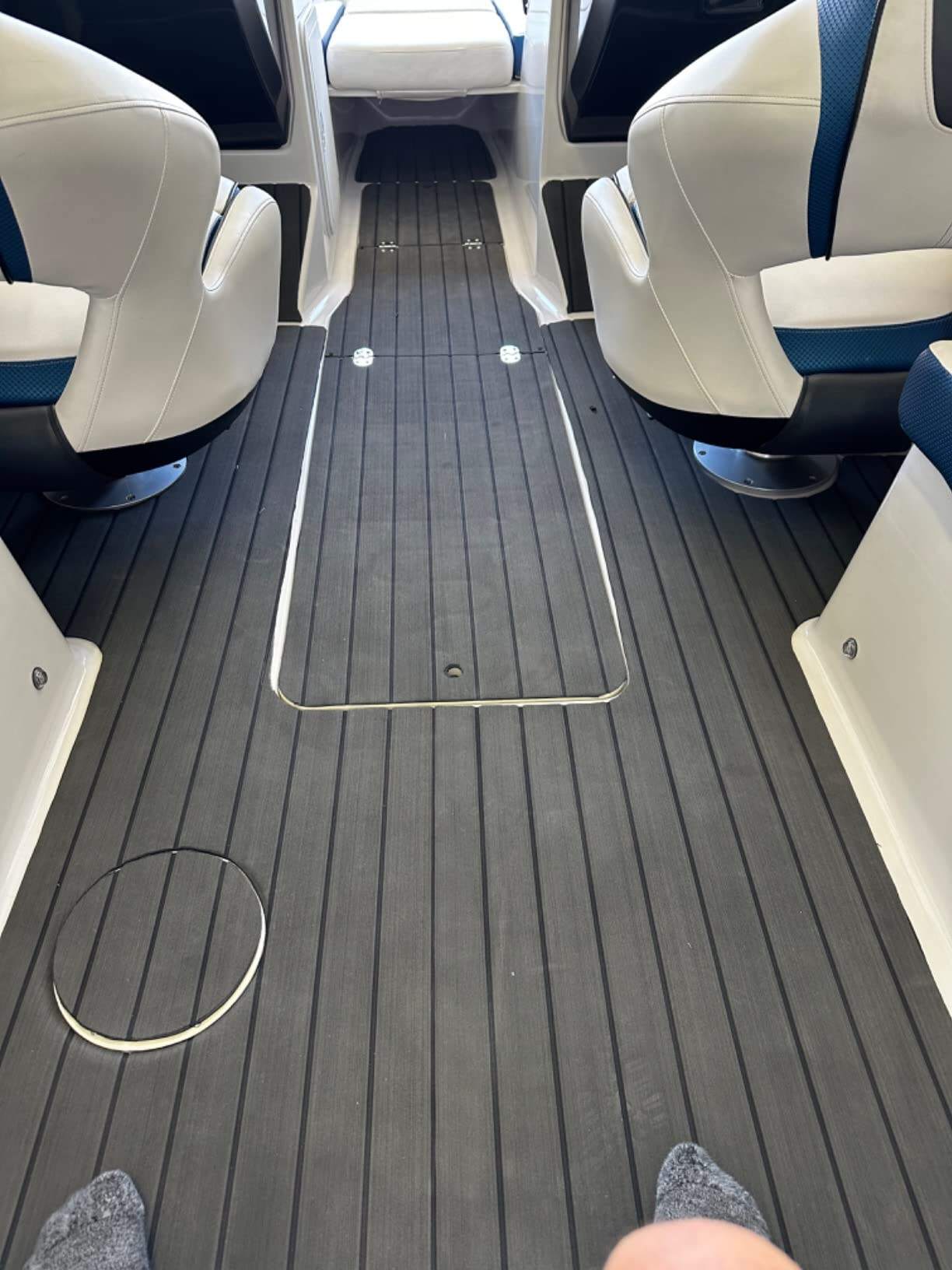
The marine flooring industry has experienced significant growth as boat manufacturers and suppliers seek cost-effective alternatives to traditional teak decking. Faux teak boat flooring has emerged as the preferred solution, offering the aesthetic appeal of natural teak without the associated maintenance costs and environmental concerns. China has positioned itself as the leading manufacturer of high-quality synthetic marine flooring solutions, providing marine suppliers worldwide with reliable sourcing opportunities. Understanding the intricacies of sourcing from Chinese manufacturers can significantly impact your business profitability and customer satisfaction rates.
Understanding the Chinese Marine Flooring Manufacturing Landscape
Major Production Hubs and Regional Specializations
China's marine flooring manufacturing industry is concentrated in several key regions, each offering distinct advantages for different types of products. Guangdong Province, particularly around Shenzhen and Dongguan, houses the majority of high-tech synthetic flooring manufacturers specializing in EVA foam and PVC-based faux teak boat flooring solutions. These facilities benefit from advanced machinery, established supply chains, and proximity to major shipping ports. The region's manufacturers typically focus on premium-grade products designed for luxury yacht applications and high-end recreational vessels.
Zhejiang Province represents another significant manufacturing hub, with companies in Hangzhou and Ningbo offering competitive pricing for mid-range marine flooring products. These manufacturers often specialize in volume production of standard-grade faux teak boat flooring suitable for commercial fishing vessels, smaller recreational boats, and aftermarket replacement applications. The regional infrastructure supports efficient logistics and distribution networks, making it an attractive option for marine suppliers seeking reliable delivery schedules and consistent product quality.
Jiangsu Province rounds out the major production areas, with manufacturers near Shanghai focusing on innovative materials and custom solutions. These companies often serve as original equipment manufacturers for international boat builders and marine equipment suppliers. Their expertise in developing specialized formulations and textures for faux teak boat flooring makes them valuable partners for suppliers targeting specific market segments or unique application requirements.
Quality Standards and Certification Requirements
Chinese marine flooring manufacturers have increasingly adopted international quality standards to meet global market demands. ISO 9001 certification has become standard among reputable suppliers, ensuring consistent quality management systems throughout the production process. Many manufacturers also pursue ISO 14001 environmental management certification, particularly important for faux teak boat flooring products that replace endangered natural teak materials. These certifications provide marine suppliers with confidence in product consistency and manufacturing reliability.
Marine-specific certifications present additional considerations when sourcing from Chinese manufacturers. Many facilities now obtain CE marking for European markets and comply with various national marine safety standards. Some manufacturers invest in specialized testing equipment to verify UV resistance, salt water exposure tolerance, and slip resistance properties critical for marine applications. Understanding which certifications your target markets require helps narrow the supplier selection process and ensures regulatory compliance.
Third-party testing and validation services have become increasingly accessible in China's major manufacturing regions. Independent laboratories can verify material properties, durability characteristics, and safety compliance for faux teak boat flooring products. Engaging these services during the supplier evaluation process provides additional assurance and helps establish long-term quality partnerships with Chinese manufacturers.

Product Specifications and Material Considerations
EVA Foam vs PVC Construction Options
The choice between EVA foam and PVC construction significantly impacts the performance characteristics and target applications of faux teak boat flooring. EVA foam offers superior cushioning properties, making it ideal for applications where comfort and impact absorption are priorities. This material excels in swim platform installations, deck padding for fishing boats, and areas where crew members spend extended periods standing. Chinese manufacturers have developed specialized EVA formulations that enhance durability while maintaining the soft, comfortable feel that end users appreciate.
PVC-based faux teak boat flooring provides enhanced durability and resistance to harsh marine conditions. This construction method offers superior dimensional stability, making it suitable for large deck installations and high-traffic areas. Chinese manufacturers have perfected multi-layer PVC constructions that incorporate reinforcement materials and specialized surface treatments. These products typically offer longer service life and require less maintenance, making them attractive options for commercial marine applications and luxury yacht installations.
Hybrid construction approaches combine the benefits of both materials, with manufacturers using EVA cores and PVC surface layers or incorporating multiple material zones within a single product. These innovative solutions allow marine suppliers to offer specialized products for unique applications while maintaining competitive pricing through efficient manufacturing processes.
Surface Texture and Aesthetic Options
Surface texture plays a crucial role in both the aesthetic appeal and functional performance of faux teak boat flooring. Chinese manufacturers offer various texturing techniques, from simple embossed patterns to sophisticated multi-layer constructions that closely replicate natural teak grain patterns. Deep groove texturing enhances slip resistance while providing authentic visual appeal, making these products suitable for safety-critical applications such as boat ramps and walkways.
Color consistency and UV stability represent significant technical challenges that Chinese manufacturers have addressed through advanced pigmentation systems. Modern faux teak boat flooring products maintain their appearance through years of sun exposure, with some manufacturers offering extended warranties on color retention. The ability to match specific teak shades or create custom color combinations provides marine suppliers with differentiation opportunities in competitive markets.
Surface treatments beyond basic texturing include anti-microbial coatings, enhanced grip formulations, and self-cleaning properties. These value-added features command premium pricing while addressing specific customer needs in marine environments. Understanding which surface options your target customers prioritize helps guide supplier selection and product specification decisions.
Supplier Evaluation and Due Diligence Process
Factory Assessment and Capability Verification
Conducting thorough factory assessments forms the foundation of successful sourcing relationships with Chinese faux teak boat flooring manufacturers. Physical facility visits reveal production capabilities, quality control processes, and overall organizational competence that cannot be fully evaluated through remote communication. Key evaluation criteria include machinery condition and sophistication, raw material storage and handling procedures, and workforce training levels. Modern manufacturing facilities typically feature climate-controlled production environments, automated cutting and forming equipment, and comprehensive quality testing laboratories.
Production capacity verification ensures suppliers can meet your volume requirements while maintaining quality standards. Understanding peak production seasons, equipment maintenance schedules, and capacity allocation among different product lines helps avoid delivery delays and quality compromises. Many Chinese manufacturers maintain detailed production planning systems that can provide visibility into scheduling and capacity availability for new customer relationships.
Technical capability assessment extends beyond basic manufacturing to include product development, customization abilities, and problem-solving capacity. The best supplier partnerships involve manufacturers who can contribute technical expertise and innovative solutions rather than simply executing predetermined specifications. Evaluating engineering capabilities, testing facilities, and research and development investments provides insight into long-term partnership potential.
Financial Stability and Business Continuity
Financial due diligence on potential Chinese suppliers requires understanding both company-specific factors and broader market conditions affecting the faux teak boat flooring industry. Credit reports, bank references, and financial statements provide baseline information about supplier stability and payment capabilities. However, understanding the relationships between parent companies, subsidiary operations, and joint venture partnerships often reveals more complete pictures of financial strength and business continuity risks.
Supply chain resilience has become increasingly important following recent global disruptions. Evaluating supplier relationships with raw material providers, backup production capabilities, and contingency planning demonstrates preparedness for various business continuity scenarios. Suppliers with diversified customer bases, multiple production facilities, or strategic inventory management typically offer lower risk profiles for long-term partnerships.
Insurance coverage and risk management practices provide additional indicators of supplier professionalism and commitment to customer relationships. Comprehensive general liability, product liability, and business interruption insurance coverage demonstrates serious approach to business operations and customer protection.
Pricing Strategies and Cost Optimization
Understanding Chinese Pricing Structures
Chinese faux teak boat flooring manufacturers typically employ tiered pricing structures based on order quantities, product specifications, and customer relationship depth. Understanding these pricing mechanisms enables marine suppliers to optimize purchasing strategies and improve profit margins. Volume-based pricing tiers often feature significant cost reductions at specific quantity thresholds, making it advantageous to consolidate orders or coordinate purchasing across multiple product lines.
Raw material cost fluctuations significantly impact pricing for synthetic marine flooring products. Chinese manufacturers often use formula-based pricing that adjusts for petroleum-based material costs, currency exchange rates, and transportation expenses. Understanding these pricing components helps marine suppliers anticipate cost changes and negotiate more favorable contract terms. Some manufacturers offer price protection programs or fixed-price contracts for committed volume levels.
Customization and tooling costs represent additional pricing considerations for specialized faux teak boat flooring applications. While standard products offer the lowest unit costs, custom colors, textures, or dimensions may require significant upfront investments in tooling and setup. Understanding the break-even points for customization helps determine when specialized products provide sufficient value to justify additional costs.
Payment Terms and Financial Risk Management
Negotiating appropriate payment terms balances cash flow management with supplier relationship development and risk mitigation. Chinese manufacturers typically prefer payment structures that minimize their financial exposure while providing reasonable terms for international customers. Letter of credit arrangements remain popular for large orders, providing security for both parties while facilitating international transactions through established banking relationships.
Trade finance solutions can optimize working capital management while strengthening supplier relationships. Many Chinese faux teak boat flooring manufacturers work with international trade finance companies that provide flexible payment options, including extended terms, progress payments, and inventory financing. These arrangements often prove more cost-effective than traditional letters of credit while providing similar risk protection.
Currency hedging strategies become important for ongoing sourcing relationships, particularly given the volatility in exchange rates between major currencies and the Chinese yuan. Some suppliers offer pricing in customer preferred currencies, while others provide hedging mechanisms through their banking partners. Understanding and negotiating currency risk allocation helps avoid unexpected cost fluctuations that can impact profit margins.
Quality Control and Inspection Procedures
Pre-Production Sample Approval Process
Establishing comprehensive pre-production sample approval procedures ensures that final products meet specifications and customer expectations. Chinese manufacturers typically provide multiple sample iterations, starting with basic material samples and progressing through prototype products that demonstrate complete manufacturing processes. This iterative approach allows for refinement of specifications, adjustment of aesthetic characteristics, and validation of performance properties before committing to full production runs.
Sample testing protocols should address both functional and aesthetic requirements specific to marine applications. UV exposure testing, salt spray resistance, slip coefficient measurement, and dimensional stability verification provide objective validation of product performance. Many Chinese manufacturers maintain in-house testing capabilities, while third-party testing services offer independent verification for critical specifications. Documenting approved samples and testing results creates reference standards for ongoing quality control.
Material traceability and batch control become particularly important for faux teak boat flooring products, where consistency across large installations is crucial. Establishing clear identification systems for approved materials, colors, and textures helps ensure production consistency and facilitates quality problem resolution when issues arise. Some manufacturers provide detailed material certifications and batch records that support quality documentation requirements.
In-Process and Final Inspection Protocols
Developing comprehensive inspection protocols that address both manufacturing process control and final product verification ensures consistent quality delivery. In-process inspections should focus on critical control points where defects are most likely to occur or where correction becomes difficult or expensive. For faux teak boat flooring manufacturing, these typically include material mixing, forming temperature control, surface texturing quality, and dimensional accuracy verification.
Final inspection procedures should encompass both statistical sampling and comprehensive visual assessment to identify potential quality issues before shipment. Inspection criteria should address aesthetic characteristics, functional performance requirements, packaging quality, and documentation completeness. Many Chinese manufacturers welcome customer participation in final inspections, either through on-site visits or third-party inspection services that provide detailed reports and photographic documentation.
Quality documentation and corrective action procedures provide mechanisms for continuous improvement and problem resolution. Establishing clear processes for documenting quality issues, implementing corrective actions, and preventing recurrence helps build strong supplier relationships while maintaining consistent product quality. Many successful sourcing relationships include regular quality review meetings and performance scorecards that track key quality metrics over time.
Logistics and Supply Chain Management
Shipping Options and Transit Time Considerations
Ocean freight remains the most cost-effective shipping method for bulk faux teak boat flooring orders from China, with transit times typically ranging from 15 to 35 days depending on destination ports and routing. Understanding the trade-offs between cost and transit time helps optimize inventory management and customer service levels. Express ocean services offer faster transit times at premium pricing, while economy services provide cost savings for less time-sensitive shipments.
Container optimization strategies can significantly impact total logistics costs and delivery efficiency. Many faux teak boat flooring products can be efficiently packed to maximize container utilization, reducing per-unit shipping costs. Understanding dimensional constraints, weight limitations, and packaging options helps optimize container loading and minimize shipping expenses. Some manufacturers offer flexible packaging options designed to maximize shipping efficiency.
Air freight becomes viable for urgent orders, sample shipments, or high-value products where expedited delivery justifies additional transportation costs. Chinese manufacturers typically have established relationships with international freight forwarders who can provide competitive air freight rates and reliable service. Understanding when air freight makes economic sense helps maintain customer satisfaction while managing total cost of ownership.
Customs and Import Compliance Requirements
Import compliance requirements vary significantly among different countries and regions, making it essential to understand specific regulations affecting faux teak boat flooring imports. Tariff classifications, duty rates, and documentation requirements can impact total landed costs and delivery timelines. Working with experienced customs brokers or freight forwarders who specialize in marine products helps ensure compliance while optimizing duty treatments and reducing clearance delays.
Product safety certifications and testing requirements may affect import procedures in some markets. Understanding which certifications are required versus recommended helps avoid costly delays or rejection at customs. Some countries require specific testing documentation or certification marks for marine products, while others accept manufacturer declarations of conformity. Clarifying these requirements during supplier selection helps avoid compliance issues later.
Documentation accuracy and completeness significantly impact customs clearance efficiency and cost. Commercial invoices, packing lists, bills of lading, and certificates of origin must accurately reflect product specifications, quantities, and values. Many Chinese manufacturers provide comprehensive documentation packages, but understanding specific requirements for your target markets helps ensure smooth import processes.
Building Long-Term Supplier Relationships
Communication Strategies and Cultural Considerations
Effective communication with Chinese faux teak boat flooring suppliers requires understanding cultural business practices and communication preferences. Regular communication schedules, clear documentation procedures, and respectful relationship-building approaches lay the foundation for successful long-term partnerships. Many Chinese manufacturers appreciate formal business relationships that develop into personal connections over time, viewing this progression as essential for mutual success and trust.
Language considerations extend beyond basic translation to include technical terminology, specification communication, and quality standard interpretation. Working with suppliers who maintain English-speaking technical and commercial staff reduces miscommunication risks while facilitating detailed technical discussions. However, investing in translation services for critical documents and specifications helps ensure accurate understanding of requirements and expectations.
Time zone differences require planning and accommodation to maintain effective communication flow. Establishing regular communication schedules that respect both parties' business hours demonstrates professional consideration while ensuring timely information exchange. Many successful supplier relationships include weekly status calls, monthly business reviews, and quarterly strategic planning sessions that maintain alignment and relationship strength.
Performance Monitoring and Continuous Improvement
Establishing key performance indicators and regular review processes helps maintain supplier accountability while identifying improvement opportunities. Metrics should address quality performance, delivery reliability, communication effectiveness, and problem resolution capability. Regular scorecards and performance reviews provide structured feedback mechanisms that support continuous improvement and relationship development.
Joint improvement initiatives can strengthen supplier relationships while enhancing product quality and cost competitiveness. Many Chinese manufacturers welcome collaborative approaches to product development, process improvement, and market expansion. These partnerships often result in innovative solutions, competitive advantages, and mutual business growth that benefit both parties over time.
Technology integration and information sharing can enhance supplier relationships while improving operational efficiency. Many modern Chinese manufacturers offer customer portals, real-time production tracking, and electronic documentation systems that streamline business processes. Investing in these technological connections demonstrates commitment to long-term partnership while improving day-to-day operational effectiveness.
FAQ
What are the typical minimum order quantities for faux teak boat flooring from Chinese manufacturers
Most Chinese manufacturers require minimum orders of 500 to 1,000 square meters for standard products, though some suppliers accept smaller quantities for initial orders or sample evaluation. Custom colors, textures, or dimensions typically require larger minimum quantities due to tooling and setup costs. Established suppliers may offer lower minimums for repeat customers or consolidated orders across multiple product lines.
How long does the complete sourcing and delivery process typically take
The complete process from initial supplier contact to product delivery typically requires 60 to 90 days for first-time orders. This includes supplier evaluation, sample approval, production scheduling, manufacturing time, and international shipping. Rush orders may be accommodated with expedited production and air freight, reducing total time to 30 to 45 days at additional cost.
What quality certifications should I require from Chinese marine flooring suppliers
Essential certifications include ISO 9001 for quality management systems and relevant marine safety certifications for your target markets. UV resistance testing, slip resistance certification, and environmental compliance documentation are also important. Third-party testing reports for durability, chemical resistance, and fire safety properties provide additional quality assurance for marine applications.
How can I protect my business from quality or delivery issues with Chinese suppliers
Implement comprehensive pre-production sample approval processes, detailed quality specifications, and independent inspection procedures. Consider trade credit insurance, performance bonds, or escrow payment arrangements for large orders. Diversifying across multiple suppliers and maintaining safety stock levels help mitigate supply chain disruption risks while ensuring business continuity.
Table of Contents
- Understanding the Chinese Marine Flooring Manufacturing Landscape
- Product Specifications and Material Considerations
- Supplier Evaluation and Due Diligence Process
- Pricing Strategies and Cost Optimization
- Quality Control and Inspection Procedures
- Logistics and Supply Chain Management
- Building Long-Term Supplier Relationships
-
FAQ
- What are the typical minimum order quantities for faux teak boat flooring from Chinese manufacturers
- How long does the complete sourcing and delivery process typically take
- What quality certifications should I require from Chinese marine flooring suppliers
- How can I protect my business from quality or delivery issues with Chinese suppliers