EN
EN


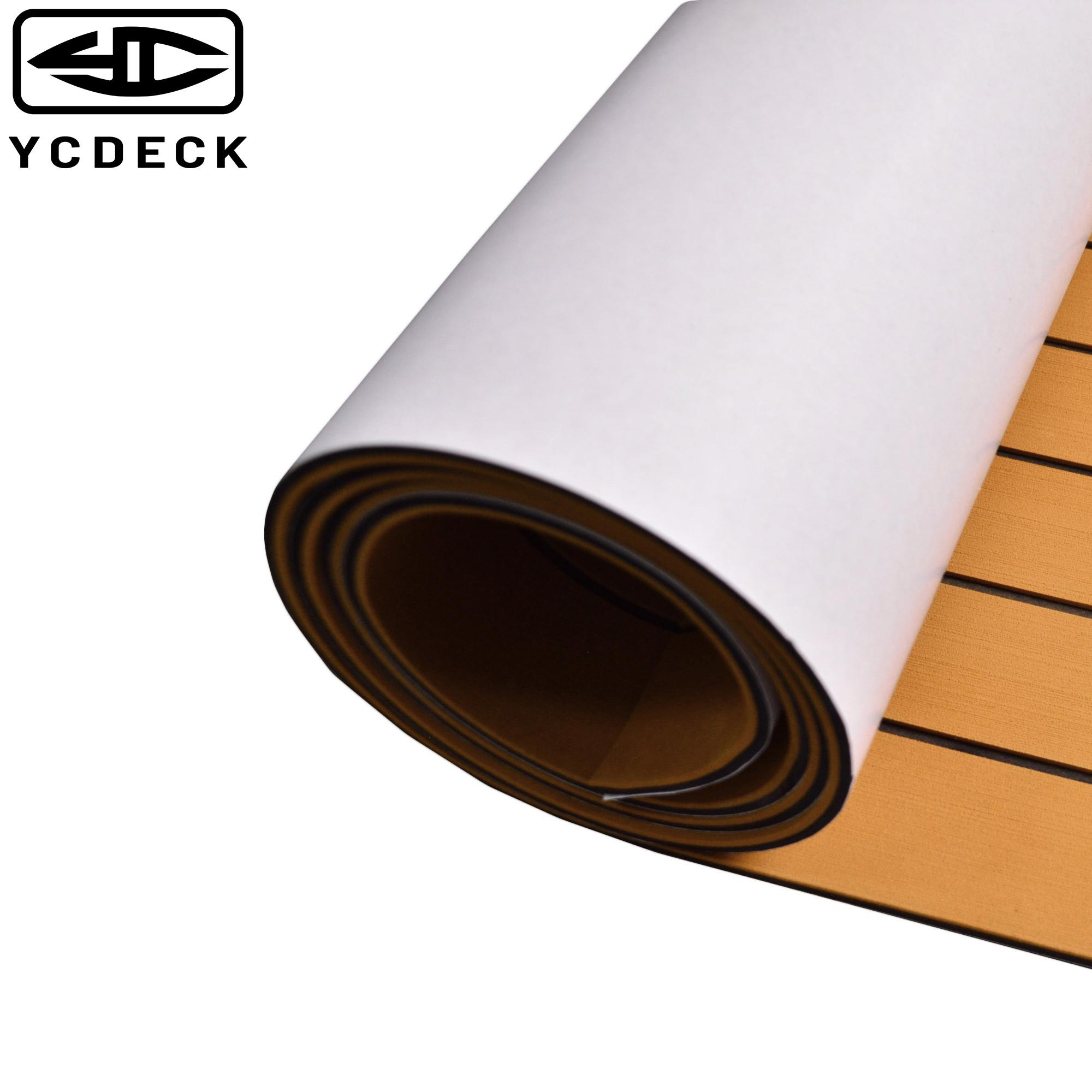
Modern shipbuilding has evolved dramatically with the introduction of advanced materials that offer superior performance, durability, and aesthetic appeal. Among these innovations, EVA boat flooring has emerged as a game-changing solution for marine enthusiasts, professional boat builders, and yacht manufacturers worldwide. This revolutionary material combines exceptional grip, comfort, and weather resistance to create the ideal surface for any marine vessel. Whether you're constructing a luxury yacht, refurbishing a fishing boat, or building a recreational watercraft, understanding the benefits and applications of EVA boat flooring can significantly enhance your project's success and longevity.
Understanding EVA Materials in Marine Applications
Properties and Characteristics of EVA Foam
Ethylene Vinyl Acetate, commonly known as EVA, represents a copolymer that has revolutionized marine flooring solutions through its unique combination of flexibility, durability, and chemical resistance. This closed-cell foam material demonstrates exceptional performance in harsh marine environments where traditional flooring options often fail. EVA boat flooring exhibits remarkable resistance to saltwater corrosion, UV degradation, and temperature fluctuations that are common in maritime conditions. The material's inherent buoyancy properties make it an ideal choice for applications where safety and performance are paramount concerns.
The cellular structure of EVA boat flooring provides excellent cushioning properties while maintaining structural integrity under heavy loads and constant foot traffic. This unique characteristic makes it particularly valuable in commercial marine applications where crew members spend extended periods on deck. The material's flexibility allows it to conform to curved surfaces and complex geometries commonly found in modern boat designs, eliminating the need for complex cutting and fitting procedures that traditional materials often require.
Advantages Over Traditional Marine Flooring
Traditional marine flooring materials such as teak, fiberglass, and aluminum present numerous limitations that EVA boat flooring effectively addresses. Unlike natural wood options that require constant maintenance and are susceptible to rot and insect damage, EVA materials offer decades of maintenance-free service. The non-porous surface of EVA boat flooring prevents water absorption and eliminates the growth of mold, mildew, and bacteria that can compromise both health and structural integrity.
Cost considerations also favor EVA boat flooring solutions over traditional alternatives. While initial material costs may be comparable, the long-term savings from reduced maintenance requirements, extended service life, and improved safety characteristics make EVA an economically superior choice. The installation process for EVA boat flooring typically requires less specialized labor and can often be completed by boat owners themselves, further reducing overall project costs.
Design Considerations for EVA Sheet Metal Integration
Structural Requirements and Load Distribution
When integrating EVA boat flooring with sheet metal substrates, proper structural analysis becomes crucial for ensuring long-term performance and safety. The load-bearing characteristics of the underlying structure must accommodate both static loads from equipment and furniture, as well as dynamic forces generated by wave action and vessel movement. EVA boat flooring distributes point loads effectively across the supporting structure, reducing stress concentrations that could lead to fatigue failures in metal components.
The thermal expansion properties of both EVA boat flooring and sheet metal substrates require careful consideration during the design phase. Different expansion rates between materials can create stress concentrations and potential delamination if not properly addressed through appropriate joint design and fastening methods. Professional marine engineers typically specify expansion joints and flexible mounting systems to accommodate these thermal movements while maintaining watertight integrity.
Adhesion Methods and Surface Preparation
Successful installation of EVA boat flooring on sheet metal surfaces depends heavily on proper surface preparation and adhesion techniques. The metal substrate must be thoroughly cleaned of all contaminants including oils, rust, and marine growth before applying primer systems specifically designed for EVA applications. Surface roughening through mechanical abrasion or chemical etching enhances the mechanical bond between the adhesive and metal surface.
Modern EVA boat flooring products often feature self-adhesive backing systems that eliminate the need for separate adhesive application, simplifying installation while ensuring consistent bond strength. These engineered adhesive systems are formulated to maintain flexibility and bond strength throughout the expected temperature range of marine applications, preventing delamination due to thermal cycling.
EVA Boat Kit Selection and Customization
Standard Kit Components and Specifications
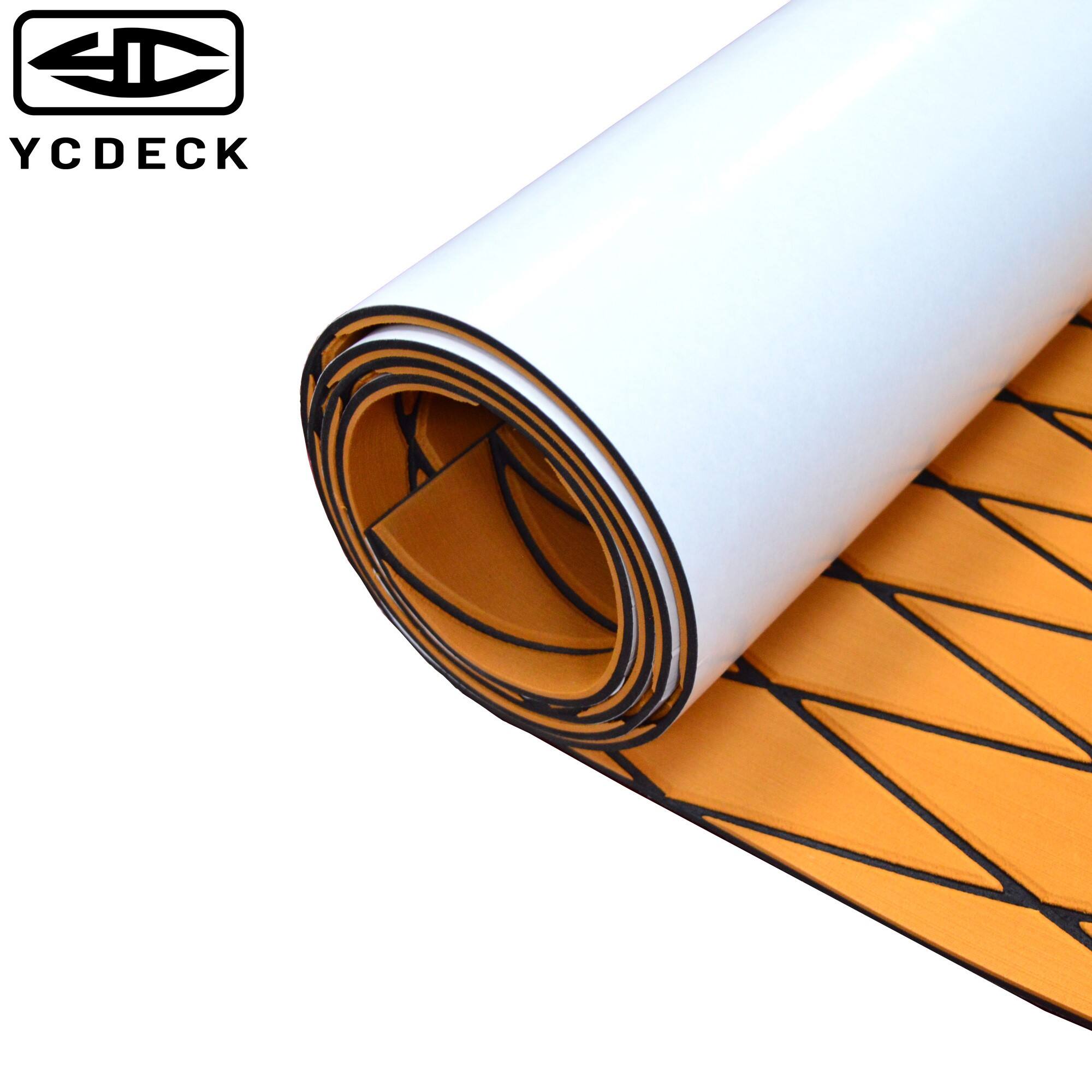
Complete EVA boat flooring kits typically include pre-cut panels designed to fit specific vessel models, along with all necessary installation hardware and detailed instructions. These comprehensive packages eliminate guesswork in material quantities and reduce waste associated with field cutting and fitting. Standard EVA boat flooring kits often feature color-coordinated edge strips, corner pieces, and transition elements that create professional-looking installations without requiring specialized fabrication skills.
Quality EVA boat flooring kits incorporate UV-stabilized materials that resist fading and degradation from prolonged sun exposure. The surface texturing patterns are engineered to provide optimal traction in both wet and dry conditions while remaining comfortable for bare feet. Thickness specifications typically range from 6mm to 12mm depending on the intended application, with thicker materials providing enhanced comfort and insulation properties for extended use areas.
Custom Design Options and Personalization
Advanced EVA boat flooring manufacturers offer extensive customization options that allow boat builders and owners to create unique aesthetic designs while maintaining functional performance. Custom color combinations, logo integration, and decorative patterns can transform utilitarian deck surfaces into distinctive design elements that enhance the vessel's overall appearance and market value.
Digital templating technologies enable precise fitting of EVA boat flooring to complex deck geometries without requiring physical templates or extensive field modifications. Computer-controlled cutting systems ensure consistent quality and dimensional accuracy while minimizing material waste. These advanced manufacturing capabilities make custom EVA boat flooring solutions cost-effective even for smaller production runs and individual vessels.
Installation Techniques and Best Practices
Surface Preparation and Environmental Conditions
Proper installation of EVA boat flooring begins with comprehensive surface preparation that ensures optimal adhesion and long-term performance. The substrate must be clean, dry, and free from contaminants that could compromise the bond between the flooring material and deck surface. Temperature and humidity conditions during installation significantly impact adhesive curing and final bond strength, requiring careful timing of installation activities.
Environmental factors such as ambient temperature, surface temperature, and relative humidity must fall within manufacturer-specified ranges during EVA boat flooring installation. Cold temperatures can reduce adhesive flow and bonding effectiveness, while excessive heat may cause premature curing and reduced working time. Professional installers often use infrared thermometers and hygrometers to monitor conditions and ensure optimal installation parameters.
Tool Requirements and Installation Sequence
Successful EVA boat flooring installation requires specific tools and equipment designed for marine applications. Pressure rollers, heat guns, and specialized cutting tools ensure professional results while minimizing installation time and material waste. The installation sequence typically progresses from the center of large areas outward, allowing for proper alignment and stress distribution across the entire surface.
Quality control during EVA boat flooring installation involves regular inspection of bond integrity, seam alignment, and surface smoothness. Air bubbles or voids beneath the flooring material must be eliminated through proper rolling techniques and, if necessary, localized heating to reactivate the adhesive system. Edge sealing and trim installation complete the process, creating watertight barriers that prevent moisture ingress and edge lifting.
Maintenance and Longevity Considerations
Routine Care and Cleaning Protocols
The maintenance requirements for EVA boat flooring are significantly less demanding than traditional marine flooring materials, contributing to its growing popularity among boat owners and commercial operators. Regular cleaning typically involves simple washing with mild soap and fresh water to remove salt deposits, marine growth, and accumulated debris. The non-porous surface of EVA boat flooring prevents the absorption of stains and odors that can plague porous materials.
Periodic deep cleaning of EVA boat flooring may require specialized marine cleaners designed to remove stubborn stains, fuel spills, and biological growth without damaging the material surface. Pressure washing is generally acceptable for EVA boat flooring, though care must be taken to avoid directing high-pressure streams at seams or edges where water penetration could compromise the installation integrity.
Damage Prevention and Repair Procedures
While EVA boat flooring demonstrates exceptional durability, certain precautions help maximize service life and maintain optimal appearance. Sharp objects, excessive heat, and chemical spills represent the primary threats to EVA surfaces, requiring appropriate handling procedures and protective measures. Most minor damage to EVA boat flooring can be repaired through localized patching or surface refinishing without requiring complete replacement.
Professional repair techniques for EVA boat flooring include heat welding for seam repairs, patch bonding for puncture damage, and surface texturing restoration for wear areas. These repair methods can often restore the flooring to like-new condition at a fraction of the cost of complete replacement, making EVA boat flooring an economically attractive long-term investment.
Performance Analysis in Marine Environments
Safety and Slip Resistance Characteristics
The safety performance of EVA boat flooring in marine environments represents one of its most significant advantages over alternative materials. The engineered surface texture provides consistent traction in both wet and dry conditions, reducing the risk of slip and fall accidents that are common causes of marine injuries. Laboratory testing and field experience demonstrate that EVA boat flooring maintains its slip resistance properties throughout extended service life, even under harsh marine conditions.
The cushioning properties of EVA boat flooring also contribute to safety by reducing the severity of impact injuries from falls or equipment drops. This characteristic is particularly valuable in commercial marine applications where crew safety is paramount and workers spend extended periods on deck surfaces. The material's resilience helps prevent fatigue and joint stress associated with prolonged standing on hard surfaces.
Thermal Performance and Comfort Factors
EVA boat flooring provides excellent thermal insulation properties that enhance comfort and energy efficiency in marine applications. The closed-cell structure of the material creates an effective barrier against heat transfer, keeping deck surfaces cooler in direct sunlight and warmer in cold conditions. This thermal performance contributes to overall vessel comfort while reducing the load on climate control systems.
The surface temperature characteristics of EVA boat flooring make it comfortable for bare feet even under extreme weather conditions. Unlike metal or fiberglass surfaces that can become uncomfortably hot or cold, EVA materials maintain moderate surface temperatures that enhance the user experience. This characteristic is particularly important in recreational marine applications where passenger comfort directly impacts satisfaction and safety.
FAQ
How long does EVA boat flooring typically last in marine environments
High-quality EVA boat flooring systems can provide 15-20 years of reliable service in typical marine environments when properly installed and maintained. The actual lifespan depends on factors such as UV exposure intensity, temperature cycling, foot traffic levels, and maintenance practices. Professional-grade EVA boat flooring with UV stabilization and proper installation often exceeds manufacturer warranties, making it a cost-effective long-term investment for boat owners.
Can EVA boat flooring be installed over existing deck materials
Yes, EVA boat flooring can often be successfully installed over existing deck materials including fiberglass, aluminum, and properly prepared wood surfaces. The key requirements are that the existing surface must be structurally sound, clean, dry, and properly prepared according to manufacturer specifications. In some cases, primer application or surface modification may be necessary to ensure optimal adhesion and long-term performance of the EVA boat flooring system.
What thickness of EVA boat flooring is recommended for different applications
The optimal thickness for EVA boat flooring depends on the intended use and comfort requirements. For general deck applications, 6mm thickness provides adequate cushioning and durability. High-traffic areas and commercial applications often benefit from 8-10mm thickness for enhanced comfort and wear resistance. Specialty applications such as swim platforms or relaxation areas may use 12mm or thicker EVA boat flooring to maximize comfort and insulation properties.
How does EVA boat flooring perform in extreme temperature conditions
EVA boat flooring demonstrates excellent performance across a wide temperature range, typically from -40°F to 180°F (-40°C to 82°C). The material maintains flexibility in cold conditions while resisting softening and deformation in high temperatures. This thermal stability makes EVA boat flooring suitable for vessels operating in diverse climates, from arctic conditions to tropical environments, without compromising safety or performance characteristics.