EN
EN


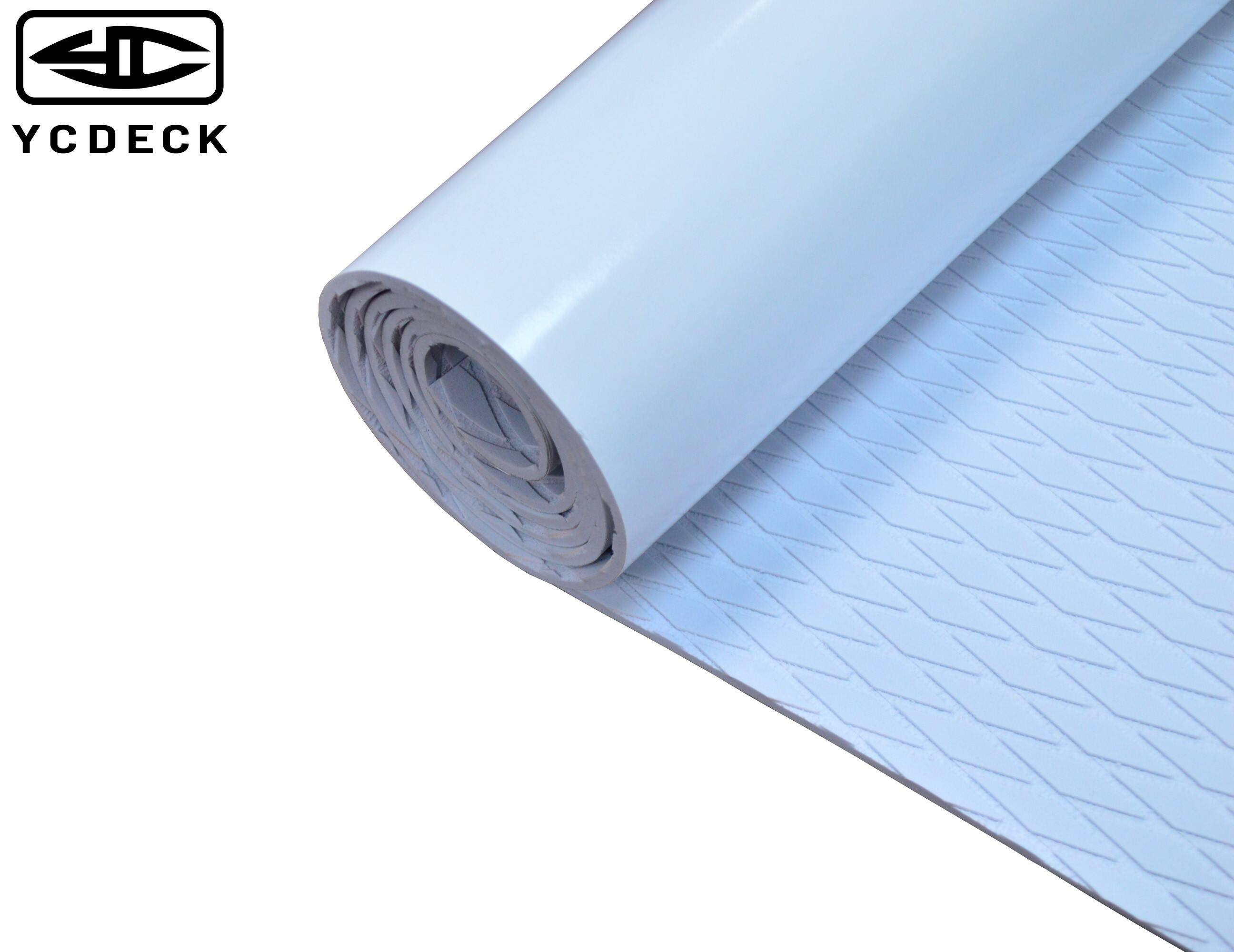
EVA decking has revolutionized marine flooring with its superior grip, comfort, and aesthetic appeal. However, one common issue that boat owners frequently encounter is the peeling of EVA decking edges, which can compromise both the appearance and functionality of their investment. Understanding the root causes of edge peeling and implementing proper preventive measures is crucial for maintaining the longevity and performance of your marine decking system. This comprehensive guide explores the various factors that contribute to EVA decking edges deterioration and provides actionable solutions to prevent this frustrating problem from occurring on your vessel.
Understanding EVA Decking Edge Structure
Composition and Design Elements
EVA decking edges are engineered with specific structural characteristics that determine their adhesion properties and overall durability. The ethylene-vinyl acetate polymer composition provides flexibility while maintaining structural integrity under marine conditions. Edge design incorporates beveled profiles that create seamless transitions between decking sections, but these areas are particularly vulnerable to stress concentration. The cellular structure of EVA material at the edges experiences different expansion and contraction rates compared to the central areas, creating potential weak points where separation can initiate.
Manufacturing processes significantly influence edge quality, with precision cutting and edge sealing techniques determining long-term performance. Premium EVA decking features reinforced edge construction that incorporates additional bonding agents and compression techniques. The adhesive backing system extends to within millimeters of the edge, but this critical transition zone requires careful consideration during installation. Understanding these structural elements helps boat owners recognize why EVA decking edges are susceptible to peeling and implement appropriate protective measures.
Adhesion Mechanisms at Edge Zones
The adhesion mechanisms operating at EVA decking edges involve complex interactions between the EVA material, adhesive backing, and substrate surface. Edge zones experience reduced adhesive contact area compared to central regions, creating inherently weaker bonding conditions. Moisture infiltration typically begins at edges where the adhesive seal may be compromised, leading to progressive bond failure. Temperature cycling causes differential expansion between the EVA material and substrate, with edges bearing the highest stress concentrations during these thermal cycles.
Mechanical stress from foot traffic, equipment movement, and deck cleaning activities concentrates at EVA decking edges where flexibility transitions to rigid mounting surfaces. The peel strength at edges depends on proper surface preparation, adhesive coverage, and installation pressure applied during initial placement. Edge adhesion also relies on environmental factors such as humidity levels, temperature during installation, and substrate material properties. Recognition of these adhesion mechanisms enables targeted approaches to prevent edge peeling through improved installation techniques and ongoing maintenance practices.
Primary Causes of Edge Peeling
Environmental Stress Factors
Environmental conditions play a decisive role in EVA decking edges deterioration, with UV radiation being one of the most significant contributing factors. Prolonged exposure to ultraviolet light causes polymer chain degradation at the surface level, reducing the flexibility and adhesive properties of edge zones. Salt water exposure creates additional challenges through crystallization processes that can physically separate adhesive bonds and cause material expansion. Temperature fluctuations between day and night create continuous thermal cycling that stresses EVA decking edges beyond their design limits.
Wind and wave action generate dynamic loading conditions that repeatedly flex and stress edge connections, leading to fatigue failure over time. Humidity variations cause moisture absorption and release cycles that can compromise adhesive integrity and promote bacterial or fungal growth beneath edges. Chemical exposure from cleaning products, fuel spills, and marine pollutants can degrade both the EVA material and adhesive systems at vulnerable edge locations. These environmental stresses operate continuously and cumulatively, making prevention strategies essential for long-term decking performance.
Installation-Related Issues
Improper installation techniques represent the leading cause of premature EVA decking edges failure in marine applications. Insufficient surface preparation, including inadequate cleaning, degreasing, or roughening of the substrate, prevents optimal adhesive bonding at critical edge zones. Temperature conditions during installation significantly impact adhesive activation and curing, with cold weather installations often resulting in poor edge adhesion. Inadequate pressure application during installation leaves air bubbles and voids beneath edges, creating pathways for moisture infiltration and progressive bond failure.
Edge trimming techniques can damage the cellular structure of EVA material and compromise the adhesive backing system integrity. Rushed installation schedules often result in insufficient adhesive cure time before exposing edges to stress and environmental conditions. Improper joint design and edge spacing can create tension points that concentrate stress and initiate peeling. Substrate irregularities and contamination at edge locations prevent uniform contact and adhesion, leading to localized failure points. Understanding these installation-related causes enables implementation of best practices that significantly reduce edge peeling incidents.
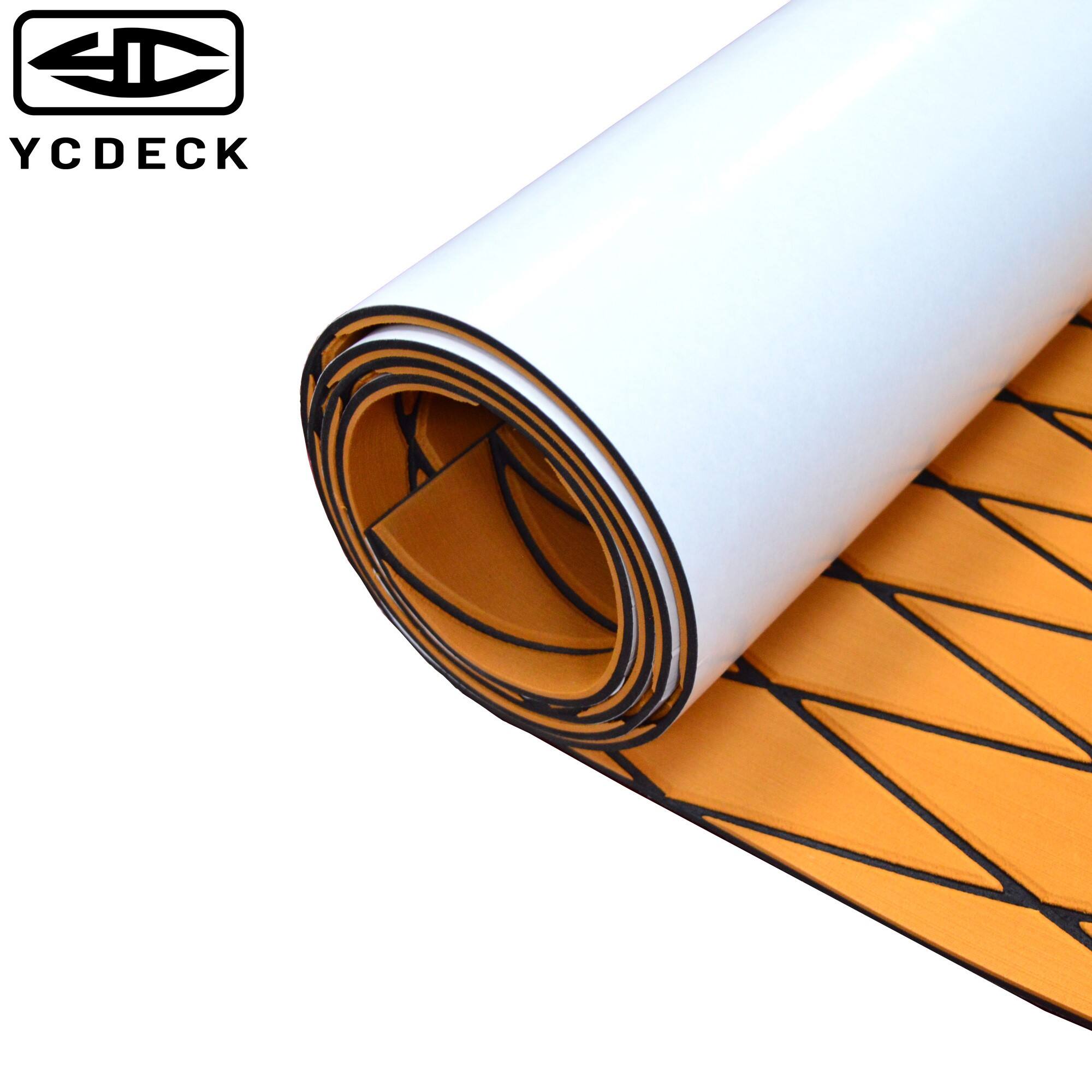
Prevention Strategies and Best Practices
Surface Preparation Techniques
Proper surface preparation forms the foundation for preventing EVA decking edges peeling and ensuring long-term adhesive performance. The substrate must be thoroughly cleaned using appropriate marine-grade degreasers that remove all traces of oils, waxes, and previous adhesive residues. Surface roughening through light sanding or abrading creates mechanical bonding sites that enhance adhesive grip, particularly important at edge zones where stress concentrations occur. Chemical cleaning agents specific to the substrate material should be employed to ensure optimal compatibility with adhesive systems.
Temperature and humidity control during surface preparation significantly impacts adhesive bonding success, with ideal conditions typically ranging between 65-85°F with relative humidity below 70%. Surface moisture content must be measured and controlled to prevent interference with adhesive curing processes. Primer application may be necessary for certain substrate materials to improve adhesive compatibility and bonding strength at critical edge areas. Final surface inspection should verify complete contamination removal and proper surface profile before proceeding with decking installation.
Advanced Installation Methods
Advanced installation methods specifically designed to prevent EVA decking edges peeling incorporate specialized techniques and equipment for optimal results. Professional installation tools including weighted rollers and heating equipment ensure uniform pressure distribution and proper adhesive activation across all surface areas. Edge sealing compounds applied immediately after installation create additional barriers against moisture infiltration and provide supplementary bonding strength. Sequential installation procedures that allow proper cure time between sections prevent stress transfer to newly installed edges.
Temperature monitoring during installation ensures adhesive systems operate within optimal activation ranges for maximum bonding strength. Pressure application techniques using pneumatic or hydraulic systems provide consistent contact force across large surface areas, eliminating voids and air pockets beneath edges. Joint design considerations incorporate expansion allowances that prevent edge tension during thermal cycling. Quality control inspections during installation identify potential problem areas before they develop into edge peeling issues, allowing for immediate corrective action.
Maintenance and Long-term Care
Preventive Maintenance Protocols
Establishing comprehensive preventive maintenance protocols is essential for preserving EVA decking edges integrity and preventing peeling issues from developing over time. Regular inspection schedules should focus on edge conditions, looking for early signs of lifting, discoloration, or adhesive failure that indicate potential problems. Cleaning protocols must avoid harsh chemicals and abrasive techniques that can damage edge sealing and compromise adhesive bonds. Protective treatments applied seasonally can enhance UV resistance and maintain material flexibility in edge zones.
Drainage system maintenance ensures that water does not accumulate at edges where it can infiltrate beneath the decking material. Edge protection during dock operations and equipment handling prevents mechanical damage that can initiate peeling. Environmental monitoring helps identify conditions that may accelerate edge deterioration, allowing for protective measures to be implemented proactively. Documentation of maintenance activities creates a historical record that helps predict future maintenance needs and optimize care protocols.
Repair and Restoration Techniques
When EVA decking edges begin showing signs of peeling, prompt repair action can prevent minor issues from developing into major problems requiring complete replacement. Edge re-adhesion techniques involve careful lifting of affected areas, thorough cleaning of both surfaces, and reapplication of appropriate adhesive systems. Heat activation methods can sometimes restore adhesive bonds in edges that have experienced minor separation without complete failure. Patching techniques using compatible materials can repair small damaged areas while maintaining overall deck integrity.
Professional repair services may be necessary for extensive edge damage that compromises multiple sections or involves structural substrate issues. Preventive repairs performed during routine maintenance windows are more cost-effective than emergency repairs required after complete edge failure. Quality assessment of repairs should include adhesion testing and long-term monitoring to ensure permanent solutions. Understanding when to repair versus replace damaged sections helps optimize maintenance budgets and vessel downtime.
Material Selection and Quality Considerations
Premium EVA Decking Characteristics
Selecting high-quality EVA decking materials with superior edge construction significantly reduces the likelihood of peeling issues and extends service life. Premium materials incorporate reinforced edge designs that resist stress concentration and provide enhanced adhesive bonding surfaces. Density specifications and cellular structure optimization in quality products improve both flexibility and durability at critical edge zones. Manufacturing tolerances in premium materials ensure consistent edge profiles that facilitate proper installation and long-term performance.
Adhesive backing systems in quality EVA decking feature extended working times and superior environmental resistance that accommodate various installation conditions. UV stabilization packages in premium materials provide long-term protection against polymer degradation that typically initiates at exposed edges. Color consistency and fade resistance in quality products maintain aesthetic appeal while indicating overall material stability. Warranty coverage and manufacturer support for premium materials reflect confidence in edge performance and provide recourse for premature failure issues.
Compatibility and System Integration
System compatibility considerations ensure that all components including EVA decking, adhesives, substrates, and edge treatments work together effectively to prevent peeling. Chemical compatibility between adhesive systems and substrate materials prevents bond degradation that commonly occurs at EVA decking edges. Thermal expansion matching between materials reduces stress concentrations during temperature cycling. Moisture permeability characteristics should be balanced across system components to prevent differential expansion and contraction.
Integration with existing deck systems requires careful consideration of attachment methods, drainage patterns, and maintenance access that affect edge performance. Professional consultation during material selection helps identify potential compatibility issues before installation begins. Testing programs can verify system performance under specific operating conditions expected on individual vessels. Documentation of material specifications and compatibility data supports warranty claims and future maintenance planning.
FAQ
What are the most common signs that EVA decking edges are beginning to peel
The earliest indicators of EVA decking edges peeling include slight lifting or curling at corners, discoloration along edge lines, and visible gaps between the decking material and substrate. You may notice increased flexibility at edges when walking near them, or hear crackling sounds when pressure is applied. Water accumulation beneath edges after cleaning or rain exposure also signals compromised adhesion, while any visible adhesive residue on the substrate indicates bond failure has begun.
How long should I wait before using my boat after installing new EVA decking
After installing new EVA decking, you should typically wait 24-48 hours before subjecting the installation to heavy use, depending on temperature and humidity conditions. The adhesive system requires this time to achieve adequate bond strength, particularly at vulnerable edge areas. In cooler temperatures below 70°F, extend the curing period to 72 hours to ensure optimal adhesion. Light foot traffic may be acceptable after 12 hours, but avoid dragging heavy equipment or subjecting edges to stress during the initial curing period.
Can damaged EVA decking edges be repaired without replacing the entire section
Yes, localized edge peeling can often be successfully repaired without complete section replacement if caught early and the underlying substrate remains undamaged. The repair process involves carefully lifting the affected edge, thoroughly cleaning both surfaces, applying fresh adhesive, and properly re-bonding the material. However, extensive damage covering more than 30% of an edge length, or cases where the substrate has been compromised, typically require section replacement for lasting results.
What environmental conditions most accelerate EVA decking edges deterioration
Extreme temperature fluctuations combined with high UV exposure create the most challenging conditions for EVA decking edges, particularly when temperatures swing more than 40°F between day and night. Constant saltwater exposure, especially in tropical climates, accelerates adhesive degradation and material breakdown. High humidity environments above 80% relative humidity can promote moisture infiltration beneath edges, while frequent freeze-thaw cycles in temperate climates cause repeated expansion and contraction that stresses edge bonds beyond their design limits.
Table of Contents
- Understanding EVA Decking Edge Structure
- Primary Causes of Edge Peeling
- Prevention Strategies and Best Practices
- Maintenance and Long-term Care
- Material Selection and Quality Considerations
-
FAQ
- What are the most common signs that EVA decking edges are beginning to peel
- How long should I wait before using my boat after installing new EVA decking
- Can damaged EVA decking edges be repaired without replacing the entire section
- What environmental conditions most accelerate EVA decking edges deterioration