EN
EN


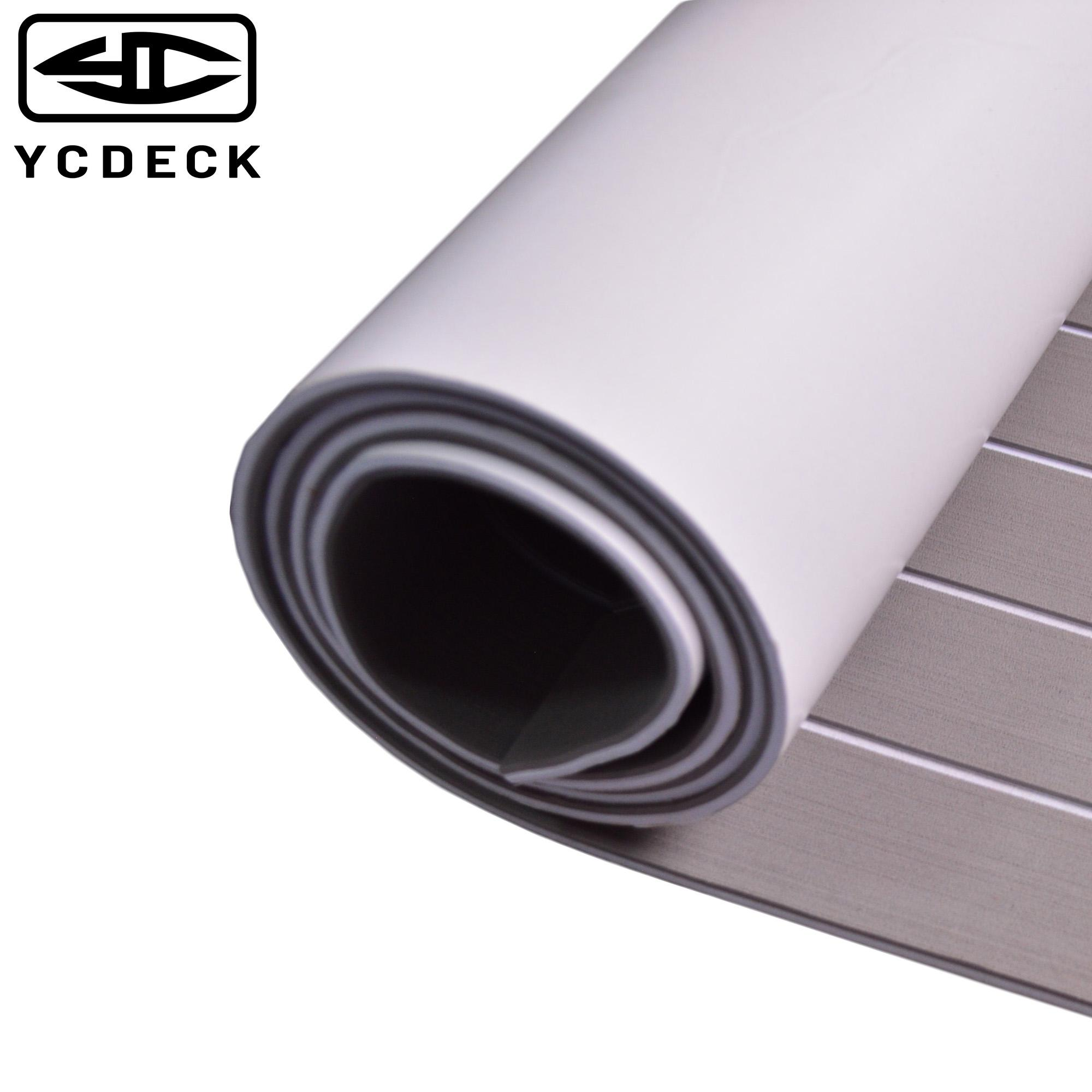
When selecting boat flooring materials, marine enthusiasts face critical decisions that extend far beyond aesthetics and functionality. The environmental impact of these materials plays an increasingly important role in responsible boating practices. Modern boat owners must consider how their flooring choices affect marine ecosystems, water quality, and overall environmental sustainability. Understanding the environmental implications of different boat flooring materials helps boaters make informed decisions that align with conservation principles while maintaining vessel performance and safety standards.
Environmental Impact of Traditional Marine Flooring Options
Chemical Emissions and Off-Gassing Concerns
Traditional boat flooring materials often contain volatile organic compounds that can harm both marine environments and human health. Many conventional marine carpets and synthetic flooring options release chemical emissions during their lifecycle, particularly when exposed to heat and UV radiation common in marine environments. These emissions can contribute to air quality degradation and potentially affect sensitive marine ecosystems when vessels operate in enclosed waterways or near protected marine areas.
The off-gassing process continues throughout the material's lifespan, with older boat flooring materials potentially releasing more harmful compounds as they degrade. Understanding these emission patterns helps boat owners evaluate the long-term environmental consequences of their flooring choices. Some boat flooring materials contain formaldehyde, benzene, and other toxic substances that pose risks to both marine life and vessel occupants.
Durability and Replacement Frequency
The environmental footprint of boat flooring materials extends beyond initial production to include replacement frequency and disposal requirements. Materials with shorter lifespans require more frequent replacement, multiplying their environmental impact through repeated manufacturing, transportation, and disposal cycles. High-quality, durable boat flooring materials may have higher upfront environmental costs but often prove more sustainable over their extended service life.
Weather resistance, UV stability, and moisture tolerance directly influence how long boat flooring materials remain functional and aesthetically acceptable. Materials that degrade quickly under marine conditions contribute to increased waste streams and resource consumption. Evaluating the expected lifespan of different flooring options helps boaters minimize their cumulative environmental impact while maintaining vessel functionality and appearance.
Sustainable Material Alternatives for Marine Applications
Recycled and Bio-Based Options
Innovative boat flooring materials increasingly incorporate recycled content and renewable resources to reduce environmental impact. Recycled rubber, reclaimed wood, and bio-based polymers offer environmentally conscious alternatives to traditional petroleum-based flooring materials. These options help divert waste from landfills while reducing demand for virgin raw materials and associated extraction processes.
Bio-based boat flooring materials derived from renewable sources like cork, bamboo, and natural fiber composites provide sustainable alternatives with competitive performance characteristics. These materials often exhibit excellent moisture resistance, slip resistance, and durability while maintaining lower environmental footprints throughout their lifecycle. Advanced manufacturing processes continue to improve the marine-specific performance of these sustainable alternatives.
Low-Impact Manufacturing Processes
The production methods used to create boat flooring materials significantly influence their overall environmental impact. Water-based adhesives, solvent-free manufacturing processes, and energy-efficient production facilities help minimize the environmental footprint of marine flooring products. Companies adopting cleaner production technologies often produce boat flooring materials with reduced chemical emissions and lower energy requirements.
Certifications from environmental organizations help identify boat flooring materials manufactured using sustainable practices. Third-party certifications verify compliance with environmental standards and provide transparency about manufacturing processes, raw material sourcing, and end-of-life disposal options. These certifications enable informed decision-making when selecting environmentally responsible flooring solutions.
Water Quality and Marine Ecosystem Protection
Leaching and Water Contamination Prevention
Boat flooring materials in direct or indirect contact with marine environments must minimize chemical leaching to protect water quality and aquatic life. Materials containing heavy metals, plasticizers, or other toxic substances can gradually release these compounds into surrounding water, potentially harming fish, marine mammals, and other aquatic organisms. Selecting boat flooring materials with minimal leaching potential helps preserve marine ecosystem health.
Testing protocols evaluate the potential for boat flooring materials to release harmful substances under various marine conditions. Temperature fluctuations, saltwater exposure, and UV radiation can accelerate leaching processes, making it essential to select materials specifically designed for marine environments. Materials that maintain chemical stability under these conditions provide better environmental protection.
Biodegradability and Marine Life Impact
When boat flooring materials eventually reach end-of-life status, their impact on marine environments depends largely on their biodegradability and toxicity characteristics. Non-biodegradable materials that enter marine environments through disposal or accidental loss can persist for decades, potentially harming marine life through ingestion or entanglement. Selecting boat flooring materials with appropriate biodegradability characteristics helps minimize long-term marine environmental impact.
Marine-safe boat flooring materials undergo testing to ensure they do not harm aquatic organisms if accidentally released into marine environments. These tests evaluate acute and chronic toxicity effects on various marine species, helping identify materials that pose minimal risk to ecosystem health. Understanding these characteristics enables responsible selection of environmentally compatible flooring solutions.
Waste Reduction and Circular Economy Principles
Recyclability and End-of-Life Management
The recyclability of boat flooring materials plays a crucial role in minimizing waste and supporting circular economy principles in the marine industry. Materials designed for easy separation and recycling help reduce the volume of marine-related waste entering landfills and incineration facilities. Boat flooring materials with clear recycling pathways enable responsible disposal and resource recovery at the end of their service life.
Manufacturers increasingly design boat flooring materials with end-of-life considerations in mind, using single-material construction or easily separable components to facilitate recycling. Take-back programs and recycling partnerships provide convenient options for responsible disposal of worn boat flooring materials. These initiatives help close the loop on material lifecycles while reducing environmental impact.
Modular Design and Repair Options
Modular boat flooring materials that allow partial replacement and repair help extend overall system lifespan while reducing waste generation. Rather than replacing entire flooring installations, modular systems enable targeted replacement of damaged sections, significantly reducing material consumption and waste production. This approach proves particularly valuable for high-traffic areas that experience accelerated wear patterns.
Repair-friendly boat flooring materials with available touch-up products, patching systems, and replacement components support sustainable maintenance practices. These features help boat owners address minor damage and wear without complete replacement, extending material lifespan and reducing environmental impact. Manufacturers providing comprehensive repair support demonstrate commitment to sustainable product stewardship.
Energy Efficiency and Climate Impact Considerations
Thermal Properties and HVAC Efficiency
The thermal properties of boat flooring materials influence vessel energy consumption and associated greenhouse gas emissions. Materials with appropriate insulation properties help maintain comfortable cabin temperatures while reducing heating and cooling energy requirements. Boat flooring materials that contribute to thermal efficiency support overall vessel sustainability and operational cost reduction.
Light-colored boat flooring materials can help reduce heat absorption and cooling loads in sunny marine environments, while darker materials may provide benefits in cooler climates. The thermal mass and conductivity characteristics of different flooring options affect how vessel interiors respond to temperature changes, influencing HVAC system operation and energy consumption patterns.
Carbon Footprint and Lifecycle Assessment
Comprehensive lifecycle assessments help quantify the total carbon footprint of different boat flooring materials from raw material extraction through disposal. These assessments consider manufacturing energy requirements, transportation emissions, installation impacts, maintenance needs, and end-of-life processing. Boat flooring materials with lower lifecycle carbon footprints contribute to overall climate impact reduction in the marine industry.
Local sourcing of boat flooring materials can significantly reduce transportation-related emissions while supporting regional economies. Materials manufactured near installation locations minimize shipping distances and associated fuel consumption. This approach proves particularly valuable for heavy or bulky flooring materials that require significant transportation resources.
Regulatory Compliance and Environmental Standards
International Environmental Regulations
Marine industry environmental regulations increasingly address the materials used in vessel construction and outfitting, including boat flooring materials. International conventions and regional regulations establish standards for chemical emissions, waste discharge, and material safety in marine environments. Compliance with these regulations ensures that boat flooring materials meet minimum environmental protection requirements.
Emerging regulations may restrict or phase out certain chemicals commonly used in boat flooring materials, making it important to select products that anticipate future regulatory requirements. Proactive compliance with evolving environmental standards helps avoid costly retrofits and ensures continued regulatory compliance throughout material lifespan.
Certification Programs and Green Standards
Third-party certification programs provide independent verification of environmental claims for boat flooring materials. These certifications evaluate factors such as chemical emissions, recycled content, renewable resource usage, and manufacturing process sustainability. Certified boat flooring materials offer greater assurance of environmental responsibility and transparency in material selection processes.
Green building and marine industry standards increasingly recognize environmentally responsible boat flooring materials through point-based rating systems. These standards encourage adoption of sustainable materials through recognition and incentive programs. Participating in green certification programs demonstrates commitment to environmental stewardship while potentially providing marketing and operational benefits.
FAQ
What are the most environmentally friendly boat flooring materials available today
The most environmentally friendly boat flooring materials include options made from recycled content, renewable resources, and bio-based materials. Cork flooring, recycled rubber products, and natural fiber composites offer excellent environmental profiles while maintaining marine performance requirements. EVA foam products made from recyclable materials and manufactured using clean processes also provide sustainable alternatives. These boat flooring materials typically feature low chemical emissions, extended durability, and end-of-life recyclability options.
How do I determine if boat flooring materials will harm marine ecosystems
To evaluate potential marine ecosystem impacts, look for boat flooring materials that have undergone marine toxicity testing and carry certifications from recognized environmental organizations. Materials should demonstrate minimal leaching of harmful substances and maintain chemical stability under marine conditions. Review manufacturer documentation for information about heavy metal content, plasticizer usage, and biodegradability characteristics. Products certified as marine-safe or carrying eco-labels typically undergo rigorous testing to ensure compatibility with aquatic environments.
Can sustainable boat flooring materials match the performance of traditional options
Modern sustainable boat flooring materials often equal or exceed the performance of traditional options while providing environmental benefits. Advanced bio-based materials and recycled content products offer comparable durability, slip resistance, and weather resistance to conventional alternatives. Many sustainable boat flooring materials also provide additional benefits such as improved comfort, better shock absorption, and enhanced aesthetic options. Continuous innovation in sustainable materials technology ensures that environmental responsibility does not require performance compromises.
What should I consider when disposing of old boat flooring materials
When disposing of old boat flooring materials, first check for manufacturer take-back programs or recycling partnerships that can properly process the materials. Avoid disposing of marine flooring materials in standard municipal waste if they contain hazardous substances. Contact local waste management authorities about proper disposal procedures for marine-specific materials. Consider donation or reuse options for materials in good condition, and always follow local regulations regarding disposal of potentially hazardous marine industry materials.
Table of Contents
- Environmental Impact of Traditional Marine Flooring Options
- Sustainable Material Alternatives for Marine Applications
- Water Quality and Marine Ecosystem Protection
- Waste Reduction and Circular Economy Principles
- Energy Efficiency and Climate Impact Considerations
- Regulatory Compliance and Environmental Standards
-
FAQ
- What are the most environmentally friendly boat flooring materials available today
- How do I determine if boat flooring materials will harm marine ecosystems
- Can sustainable boat flooring materials match the performance of traditional options
- What should I consider when disposing of old boat flooring materials