EN
EN


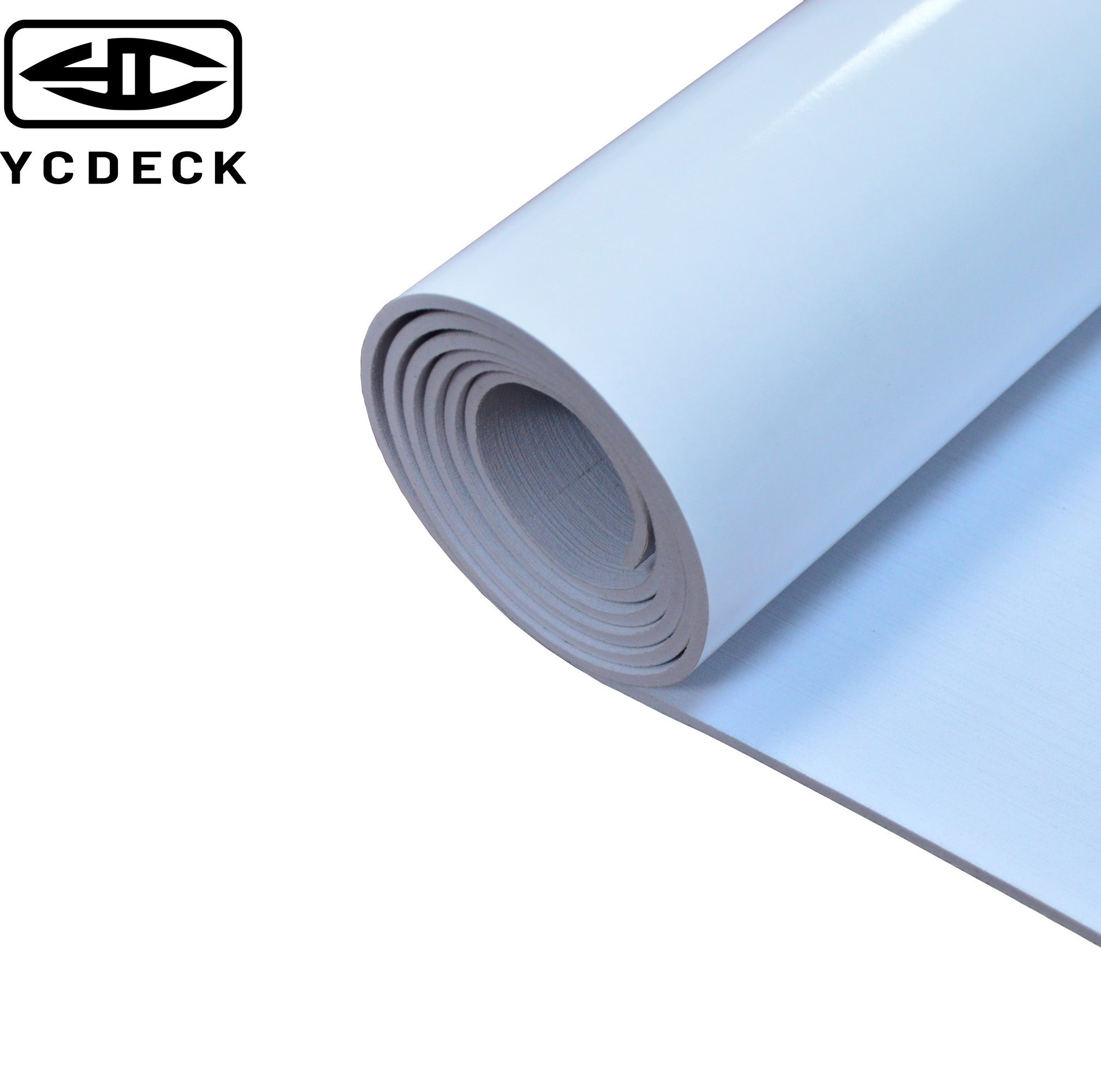
EVA foam decking has revolutionized the marine and recreational vehicle industry by offering superior grip, comfort, and durability in a lightweight package. This innovative material combines the flexibility of foam with the resilience needed for demanding marine environments, making it an increasingly popular choice for boat owners, RV enthusiasts, and DIY project creators. The unique cellular structure of EVA foam provides exceptional shock absorption while maintaining excellent resistance to UV rays, saltwater, and temperature fluctuations that commonly affect traditional decking materials.
The growing demand for customizable, user-friendly decking solutions has positioned EVA foam decking as the preferred alternative to traditional materials like teak, carpet, or rubber mats. Unlike conventional options that require professional installation or specialized tools, EVA foam decking sheets offer remarkable versatility for custom applications. Modern manufacturing techniques have enhanced the material's properties, incorporating features like diamond-pattern textures, self-adhesive backing, and precision-cut designs that accommodate various installation requirements.
Professional marine installers and weekend DIY enthusiasts alike appreciate the cost-effective nature of EVA foam decking compared to premium alternatives. The material's inherent properties eliminate the need for frequent maintenance, refinishing, or replacement cycles associated with wood-based decking systems. Additionally, the lightweight characteristics of EVA foam contribute to improved fuel efficiency in marine applications while reducing overall structural load on recreational vehicles and watercraft.
Superior Material Properties and Performance Characteristics
Advanced Cellular Structure and Density Control
The closed-cell structure of EVA foam decking creates a barrier against water absorption, preventing the material from becoming waterlogged or developing mold and mildew issues common in marine environments. This cellular design maintains consistent buoyancy properties while providing excellent insulation against heat transfer from sun-heated surfaces. The controlled density manufacturing process ensures uniform thickness and compression resistance across the entire sheet, eliminating weak spots that could compromise performance over time.
Temperature stability represents another crucial advantage of EVA foam decking, as the material maintains flexibility and grip characteristics across extreme temperature ranges. From freezing winter storage conditions to scorching summer deck temperatures exceeding 140 degrees Fahrenheit, EVA foam maintains its structural integrity and surface texture. This thermal stability prevents cracking, hardening, or becoming slippery when wet, ensuring consistent safety performance regardless of weather conditions.
Chemical Resistance and Environmental Durability
Marine environments expose decking materials to harsh chemicals including saltwater, fuel spills, cleaning solvents, and UV radiation that can rapidly degrade inferior products. EVA foam decking demonstrates exceptional resistance to these environmental stressors, maintaining color stability and surface texture even after prolonged exposure. The material's chemical inertness prevents degradation from common marine chemicals, oils, and cleaning products used in routine maintenance procedures.
UV stabilization additives incorporated during manufacturing protect EVA foam decking from photodegradation and color fading that affects many synthetic materials. Advanced UV inhibitors maintain the material's mechanical properties and aesthetic appearance for years of outdoor exposure without requiring protective coatings or treatments. This inherent UV resistance eliminates the need for periodic refinishing or protective applications that add ongoing maintenance costs and complexity to traditional decking systems.
Installation Advantages and DIY-Friendly Features
Self-Adhesive Technology and Bonding Systems
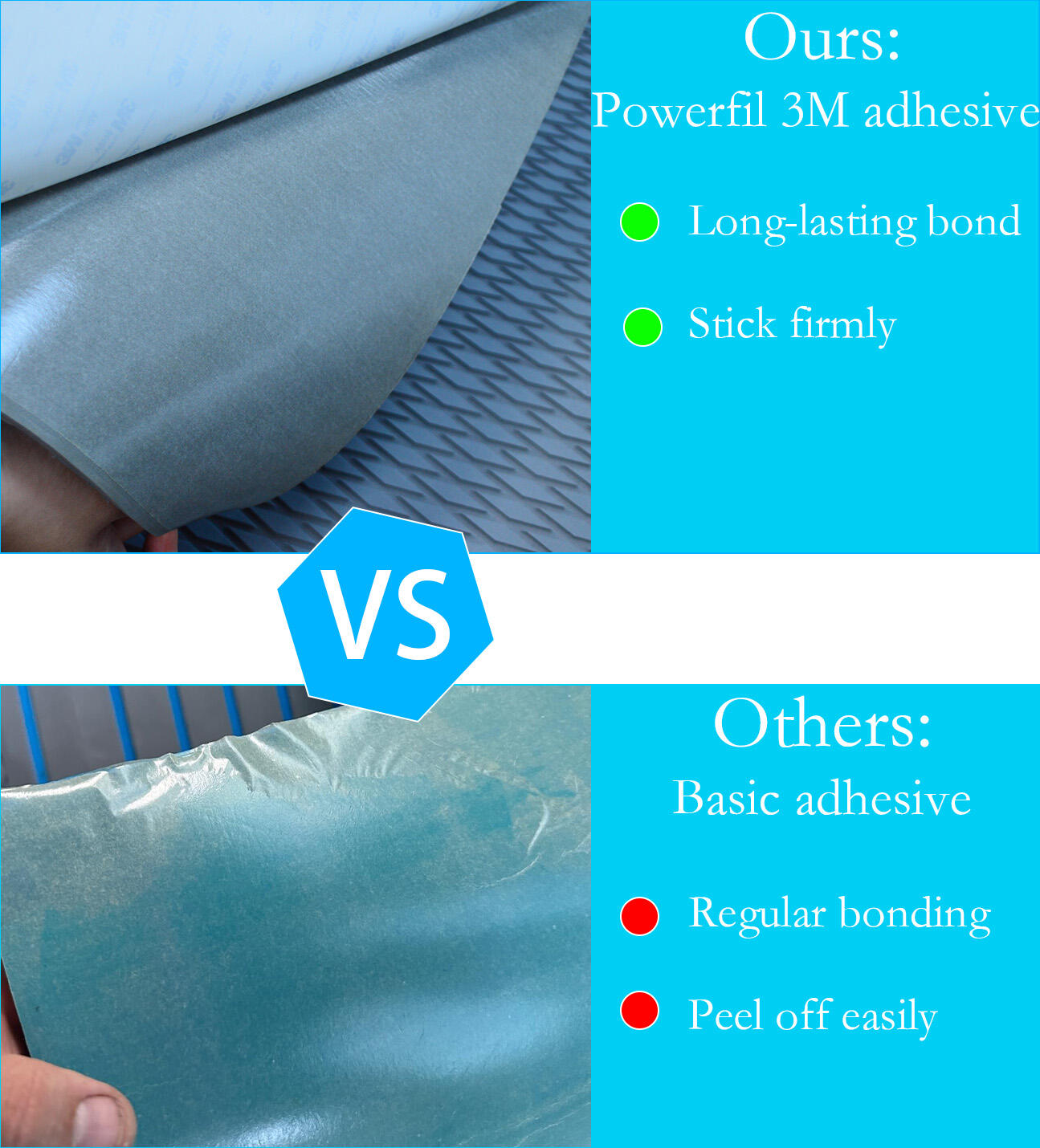
Modern EVA foam decking incorporates advanced self-adhesive backing systems that eliminate the need for additional adhesives, mechanical fasteners, or professional installation services. The pressure-sensitive adhesive maintains strong bonding strength across various substrate materials including fiberglass, aluminum, wood, and painted surfaces commonly found in marine and recreational vehicle applications. This adhesive technology provides instant bonding while allowing for repositioning during initial placement, reducing installation errors and waste.
The adhesive backing system features removable release liners that protect the bonding surface during storage and transportation while providing clear installation guidelines. Professional-grade adhesives maintain bonding strength under extreme temperature cycling, moisture exposure, and mechanical stress without creating permanent bonds that prevent future removal or replacement. This balanced adhesion allows for clean removal when necessary while providing reliable long-term attachment under normal operating conditions.
Precision Cutting and Customization Capabilities
EVA foam decking sheets accommodate precise cutting and shaping using common household tools, enabling custom installations without specialized equipment or professional services. Sharp utility knives, scissors, or craft knives easily cut through the material, allowing for accurate template matching and complex geometric shapes. The material's consistent density prevents tearing or irregular edges during cutting, ensuring clean, professional-appearing installations even for novice DIY installers.
Template-based cutting techniques enable precise fitting around hardware, cleats, vents, and other deck obstacles without requiring multiple pieces or complex joining procedures. The EVA foam decking material maintains dimensional stability during cutting and installation, preventing shrinkage or expansion that could create gaps or overlapping seams. This stability ensures long-term fit and finish quality that rivals professional installations at a fraction of the cost.
Safety and Performance Benefits
Non-Slip Surface Technology and Grip Enhancement
The textured surface patterns incorporated into EVA foam decking provide superior traction compared to smooth surfaces, significantly reducing slip and fall incidents in wet conditions. Diamond-pattern textures and other engineered surface geometries create mechanical grip through multiple contact points while allowing water drainage between raised elements. This design maintains consistent traction performance whether surfaces are dry, wet, or contaminated with oils or other slippery substances common in marine environments.
Safety performance extends beyond basic slip resistance to include impact absorption and injury prevention during falls or equipment impacts. The cushioning properties of EVA foam decking reduce injury severity compared to hard surfaces while providing stable footing for normal activities. This combination of grip and cushioning makes EVA foam decking particularly valuable in areas where people frequently work barefoot or in wet conditions where traditional materials become dangerously slippery.
Comfort and Ergonomic Advantages
Extended standing or walking on hard surfaces creates fatigue and discomfort that EVA foam decking significantly reduces through its natural cushioning properties. The material's compression and recovery characteristics provide joint relief and reduce muscle fatigue during long periods of standing or walking. This ergonomic benefit proves particularly valuable for fishing boats, work platforms, and recreational areas where people spend extended periods on their feet.
Temperature control represents another comfort advantage, as EVA foam decking remains cooler underfoot compared to metal or dark-colored surfaces exposed to direct sunlight. The insulating properties prevent heat transfer that makes traditional materials uncomfortable or dangerous to bare skin contact. Additionally, the material provides thermal barrier properties that reduce heat transfer into cabin areas, improving comfort and reducing cooling costs in enclosed spaces.
Cost-Effectiveness and Long-Term Value
Installation Cost Savings and Labor Reduction
DIY installation capabilities of EVA foam decking eliminate professional labor costs that typically represent 50-70% of total decking project expenses. The self-adhesive backing and simple cutting requirements enable weekend installation projects that would otherwise require specialized contractors and extended vessel downtime. This accessibility makes premium decking solutions affordable for budget-conscious boat owners and recreational vehicle enthusiasts who previously considered such upgrades beyond their financial reach.
Material efficiency advantages reduce waste and maximize coverage from each sheet, as precise cutting capabilities ensure optimal utilization of purchased materials. The ability to create custom shapes and patterns from standard sheet sizes minimizes the need for special orders or oversized materials that increase project costs. Additionally, the lightweight nature of EVA foam decking reduces shipping costs compared to heavier alternatives, further improving overall project economics.
Maintenance Savings and Lifecycle Benefits
The minimal maintenance requirements of EVA foam decking translate to significant long-term cost savings compared to traditional materials that require regular cleaning, sealing, or refinishing procedures. Simple soap and water cleaning maintains appearance and performance without expensive specialized products or professional services. The material's resistance to staining, fading, and wear extends service life while maintaining like-new appearance for years of use.
Replacement cycles for EVA foam decking extend significantly beyond traditional materials due to superior durability and performance retention over time. While initial costs may exceed basic alternatives, the extended service life and reduced maintenance requirements provide superior total cost of ownership. This economic advantage becomes more pronounced over time as avoided maintenance and replacement costs accumulate, making EVA foam decking an intelligent long-term investment for quality-conscious consumers.
Environmental Considerations and Sustainability
Eco-Friendly Material Composition and Manufacturing
Modern EVA foam decking manufacturing processes emphasize environmental responsibility through reduced chemical usage, energy-efficient production methods, and recyclable material compositions. The elimination of toxic adhesives, solvents, and treatments common in traditional decking materials creates safer installation and disposal processes. Manufacturing facilities increasingly adopt closed-loop water systems and waste reduction protocols that minimize environmental impact while maintaining product quality and performance standards.
The longevity of EVA foam decking reduces resource consumption through extended replacement cycles compared to materials requiring frequent renewal. This durability advantage decreases the environmental impact associated with manufacturing, transportation, and disposal of multiple replacement cycles over the product's extended service life. Additionally, the lightweight characteristics reduce transportation energy requirements and carbon footprint associated with shipping and handling throughout the supply chain.
End-of-Life Disposal and Recycling Options
EVA foam decking materials support recycling initiatives through compatibility with existing polymer recycling systems and reprocessing capabilities. The chemical stability that provides durability during use also facilitates clean recycling without contamination concerns that affect other synthetic materials. Specialized recycling programs increasingly accept EVA foam products, converting them into new products and reducing landfill waste accumulation.
The absence of toxic materials or heavy metal additives in quality EVA foam decking ensures safe disposal even when recycling options are unavailable. Unlike treated wood products or composite materials containing hazardous substances, EVA foam decking poses minimal environmental risk during disposal. This safety profile supports responsible end-of-life management while protecting groundwater and soil quality in disposal facilities.
FAQ
How long does EVA foam decking typically last in marine environments
Quality EVA foam decking maintains performance and appearance for 5-8 years in typical marine environments with proper installation and basic maintenance. Factors affecting lifespan include UV exposure intensity, temperature cycling frequency, mechanical wear patterns, and cleaning product compatibility. Premium grades with enhanced UV stabilizers and higher density construction may exceed 10 years of service life under moderate use conditions.
Can EVA foam decking be installed over existing deck surfaces
EVA foam decking successfully adheres to most clean, dry surfaces including fiberglass, painted aluminum, sealed wood, and existing deck coatings in good condition. Surface preparation requirements include thorough cleaning to remove oil, wax, or other contaminants that could interfere with adhesive bonding. Rough or textured surfaces may require light sanding to create uniform contact area for optimal adhesive performance and long-term bonding strength.
What tools are required for DIY installation of EVA foam decking
Basic DIY installation requires only a sharp utility knife or heavy-duty scissors for cutting, measuring tape for layout, and cleaning supplies for surface preparation. Optional tools include a hair dryer or heat gun for improving adhesive activation in cool conditions, and a roller or squeegee for ensuring complete contact during installation. No specialized marine tools, adhesives, or fasteners are required for typical installations on prepared surfaces.
How does EVA foam decking perform in extreme weather conditions
EVA foam decking maintains flexibility and grip characteristics from -40°F to 180°F, covering the full range of environmental conditions encountered in marine and recreational vehicle applications. The material resists cracking in freezing temperatures while maintaining non-slip properties when heated by direct sunlight. Snow and ice removal procedures will not damage the surface, and thermal cycling does not affect adhesive bonding or dimensional stability over time.