EN
EN


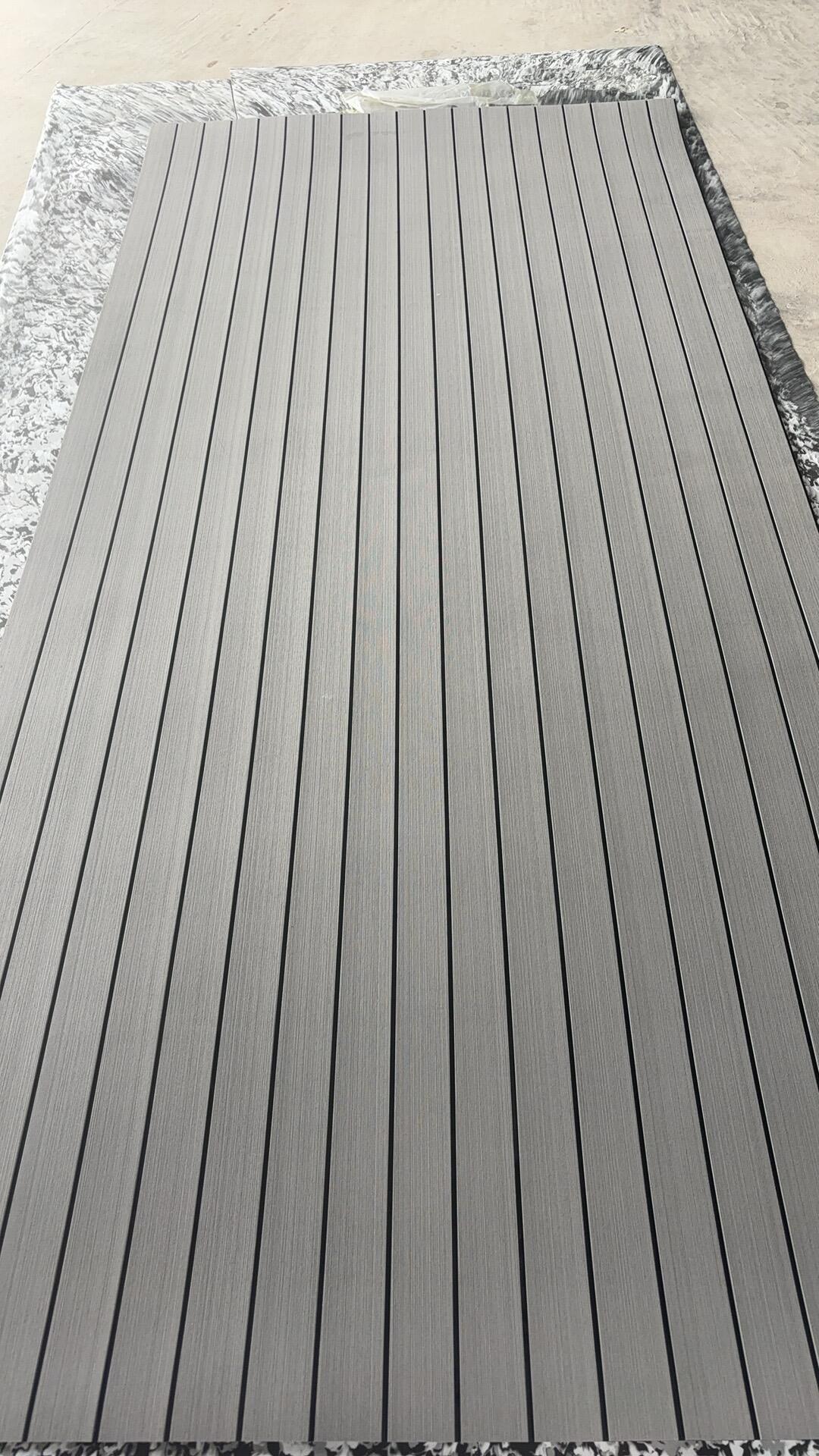
Marine decking solutions have evolved significantly over the past decade, with synthetic materials gaining popularity among boat owners seeking durability and comfort. The choice between brushed eva foam sheet and standard eva foam decking represents a critical decision that affects both performance and aesthetics. Understanding the fundamental differences between these two options helps boat owners make informed decisions that align with their specific needs and budget considerations.
Modern marine applications demand materials that withstand harsh environmental conditions while providing superior comfort and safety features. Both brushed and standard eva foam materials offer unique advantages, but their performance characteristics vary considerably in real-world marine environments. Selecting the appropriate decking material requires careful evaluation of factors including surface texture, installation requirements, maintenance needs, and long-term durability expectations.
Understanding Eva Foam Material Composition
Chemical Structure and Properties
Ethylene-vinyl acetate foam represents a closed-cell polymer structure that provides exceptional flexibility and resilience. The material composition includes ethylene and vinyl acetate copolymers that create a lightweight yet durable foundation suitable for marine applications. This chemical structure offers inherent resistance to water absorption, UV radiation, and temperature fluctuations commonly encountered in marine environments.
The closed-cell construction prevents water penetration while maintaining structural integrity under various load conditions. Manufacturing processes control density levels, with typical marine-grade materials ranging from 45 to 65 shore hardness ratings. These specifications directly impact the material's compression resistance and recovery characteristics, influencing both comfort and longevity in practical applications.
Manufacturing Process Variations
Standard eva foam production involves compression molding techniques that create uniform cell structures throughout the material thickness. The process maintains consistent density distribution while achieving specific hardness ratings required for marine decking applications. Temperature and pressure controls during manufacturing determine the final material properties and surface characteristics.
Brushed eva foam sheet requires additional processing steps that create distinctive surface textures through mechanical brushing techniques. This secondary process modifies the surface topology while preserving the underlying material properties. The brushing operation creates micro-channels and texture patterns that enhance grip characteristics and aesthetic appeal.
Surface Texture Analysis and Performance
Grip and Traction Characteristics
Surface texture plays a crucial role in determining slip resistance and user safety on marine decking systems. Standard eva foam typically features smooth or lightly textured surfaces that provide moderate grip under dry conditions. However, wet conditions can significantly reduce traction levels, potentially creating safety concerns during normal boat operations.
Brushed surfaces incorporate directional texture patterns that channel water away from contact points while maintaining consistent grip levels. The mechanical brushing process creates microscopic ridges and valleys that increase surface area contact with footwear. This enhanced texture design provides superior traction performance across various weather conditions and deck moisture levels.
Aesthetic Appeal and Visual Impact
Visual appearance significantly influences material selection decisions, particularly for recreational marine applications where aesthetics complement functional requirements. Standard eva foam surfaces offer clean, uniform appearances suitable for contemporary boat designs emphasizing minimalist styling approaches. The smooth surface finish reflects light evenly, creating consistent visual appeal across large deck areas.
Brushed texture surfaces provide distinctive visual character through light reflection patterns created by surface irregularities. The directional texture creates subtle shadow effects that add depth and dimension to deck installations. This enhanced visual appeal often justifies premium pricing for applications where appearance considerations equal performance requirements in importance.
Installation Considerations and Requirements
Adhesive Systems and Bonding
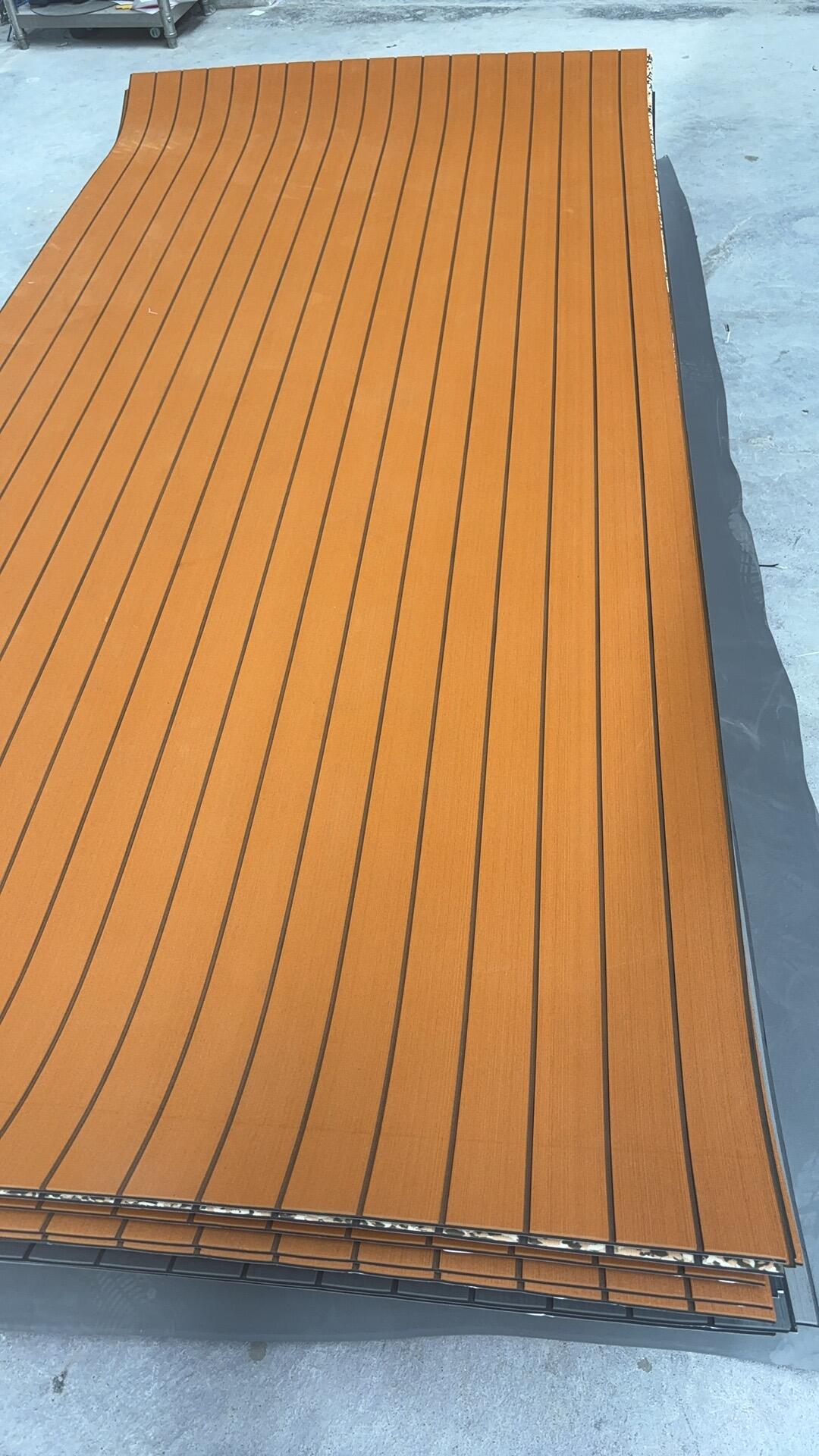
Proper installation techniques directly impact long-term performance and durability of eva foam sheet applications. Standard materials typically utilize marine-grade adhesive systems that create permanent bonds with fiberglass, aluminum, or wood substrates. Surface preparation requirements include thorough cleaning, degreasing, and roughening to ensure optimal adhesive contact.
Self-adhesive backing systems simplify installation processes while maintaining professional-grade bonding strength. These pre-applied adhesive systems eliminate mixing requirements and reduce installation time significantly. Temperature and humidity conditions during installation affect adhesive cure rates and final bond strength characteristics.
Cutting and Fitting Techniques
Precision cutting ensures proper fit around deck hardware, hatches, and irregular boat geometry. Standard eva foam materials cut cleanly using sharp utility knives or specialized foam cutting tools. Straight edges and consistent cutting pressure produce smooth, professional-appearing seams that enhance overall installation quality.
Brushed surface materials require additional care during cutting operations to prevent texture damage along cut edges. Sharp cutting tools minimize surface tearing while maintaining consistent texture patterns adjacent to cut lines. Proper cutting techniques preserve the aesthetic integrity of brushed surfaces throughout the installation process.
Durability and Maintenance Requirements
Weather Resistance Performance
Marine environments subject decking materials to continuous exposure to UV radiation, saltwater, temperature extremes, and mechanical wear. Standard eva foam materials demonstrate excellent resistance to UV degradation through stabilizer additives incorporated during manufacturing. These protective compounds prevent color fading and material degradation over extended exposure periods.
Salt water exposure creates additional challenges through crystallization effects that can damage surface textures over time. Both standard and brushed eva foam sheet materials incorporate salt-resistant formulations that prevent chemical degradation. Regular freshwater rinsing removes salt deposits while preserving material integrity and appearance characteristics.
Cleaning and Care Procedures
Maintenance requirements vary significantly between smooth and textured surface materials due to different dirt retention characteristics. Standard eva foam surfaces clean easily using mild detergents and soft brushes that remove surface contamination without damaging the material. Smooth surfaces resist staining and allow quick cleaning with minimal effort.
Brushed textures require more intensive cleaning procedures due to increased surface area and texture depth that can trap dirt and organic matter. Specialized cleaning brushes designed for textured surfaces effectively remove embedded contamination while preserving surface texture integrity. Regular cleaning prevents organic buildup that could create slip hazards or aesthetic issues.
Cost Analysis and Value Considerations
Initial Investment Comparison
Material costs represent the primary financial consideration when selecting between standard and brushed eva foam options. Standard materials typically offer lower initial costs due to simpler manufacturing processes and reduced processing requirements. Volume purchasing often provides additional cost savings for large deck installations or commercial applications.
Brushed eva foam sheet materials command premium pricing reflecting additional manufacturing steps and specialized equipment requirements. The enhanced surface texturing process adds value through improved performance characteristics and aesthetic appeal. Cost-benefit analysis should consider long-term value rather than focusing exclusively on initial material expenses.
Long-term Value Assessment
Durability characteristics directly impact long-term ownership costs through replacement frequency and maintenance requirements. High-quality eva foam materials typically provide service lives exceeding five years under normal marine usage conditions. Proper installation and maintenance procedures can extend service life significantly while preserving performance characteristics.
Enhanced grip performance of brushed surfaces may reduce accident risks and associated liability concerns for commercial operators. Safety improvements provide intangible value that justifies premium material costs in applications where user safety represents primary concerns. Insurance considerations may also favor enhanced safety features in commercial marine applications.
Application-Specific Selection Guidelines
Recreational Boat Applications
Recreational boat owners prioritize comfort, safety, and aesthetic appeal when selecting decking materials. Family-oriented applications benefit from enhanced grip characteristics provided by brushed surfaces, particularly when children or elderly passengers use the vessel regularly. Slip resistance becomes critical during water sports activities or when deck surfaces remain wet for extended periods.
Luxury yacht applications often emphasize appearance considerations alongside functional requirements. Brushed textures complement high-end interior appointments while providing practical benefits including improved traction and reduced glare. The distinctive visual character enhances overall vessel appearance and potentially increases resale value.
Commercial Marine Use Cases
Commercial operators face regulatory requirements regarding deck surface safety standards and passenger protection measures. Enhanced grip characteristics of brushed eva foam sheet materials help satisfy safety regulations while providing comfortable working surfaces for crew members. Compliance considerations often justify premium material costs through reduced liability exposure.
Heavy-duty commercial applications require materials capable of withstanding intensive use patterns and frequent cleaning procedures. Durability specifications become primary selection criteria, with appearance considerations taking secondary importance. Long-term cost analysis should include replacement frequency and maintenance labor requirements when evaluating material options.
FAQ
What is the typical lifespan difference between brushed and standard eva foam sheets
Both brushed and standard eva foam sheet materials typically provide similar service lives ranging from 5-8 years under normal marine conditions. The brushed texture does not significantly impact material durability, as the underlying foam structure remains identical. Proper installation and maintenance practices have greater influence on longevity than surface texture characteristics. UV exposure, foot traffic intensity, and cleaning frequency represent the primary factors affecting material lifespan in marine applications.
Can brushed eva foam sheets be installed over existing deck surfaces
Yes, brushed eva foam materials can be installed over existing fiberglass, wood, or aluminum deck surfaces provided proper surface preparation is completed. The existing surface must be clean, dry, and free from loose paint or debris that could compromise adhesive bonding. Minor surface irregularities are typically acceptable, but significant damage or structural issues should be addressed before installation. Self-adhesive backing systems simplify installation over existing surfaces while providing professional-grade bonding strength.
How do cleaning requirements differ between brushed and standard eva foam decking
Brushed eva foam surfaces require more frequent and intensive cleaning due to increased texture depth that can trap dirt and organic matter. Standard surfaces clean easily with mild soap and water, while brushed textures benefit from specialized brushes designed for textured surfaces. Regular freshwater rinsing prevents salt buildup on both material types, but brushed surfaces may require weekly deep cleaning in heavily used areas. Proper cleaning techniques preserve surface texture integrity and maintain slip resistance performance over time.
What thickness options are available for marine eva foam sheet applications
Marine-grade eva foam sheet materials are commonly available in thicknesses ranging from 4mm to 12mm, with 6mm representing the most popular choice for recreational applications. Thicker materials provide enhanced comfort and impact absorption but may create height issues around deck hardware or hatches. Thinner options work well for retrofit applications where height clearance is limited. Custom thickness specifications may be available for large commercial orders or specialized applications requiring specific performance characteristics.
Table of Contents
- Understanding Eva Foam Material Composition
- Surface Texture Analysis and Performance
- Installation Considerations and Requirements
- Durability and Maintenance Requirements
- Cost Analysis and Value Considerations
- Application-Specific Selection Guidelines
-
FAQ
- What is the typical lifespan difference between brushed and standard eva foam sheets
- Can brushed eva foam sheets be installed over existing deck surfaces
- How do cleaning requirements differ between brushed and standard eva foam decking
- What thickness options are available for marine eva foam sheet applications