EN
EN


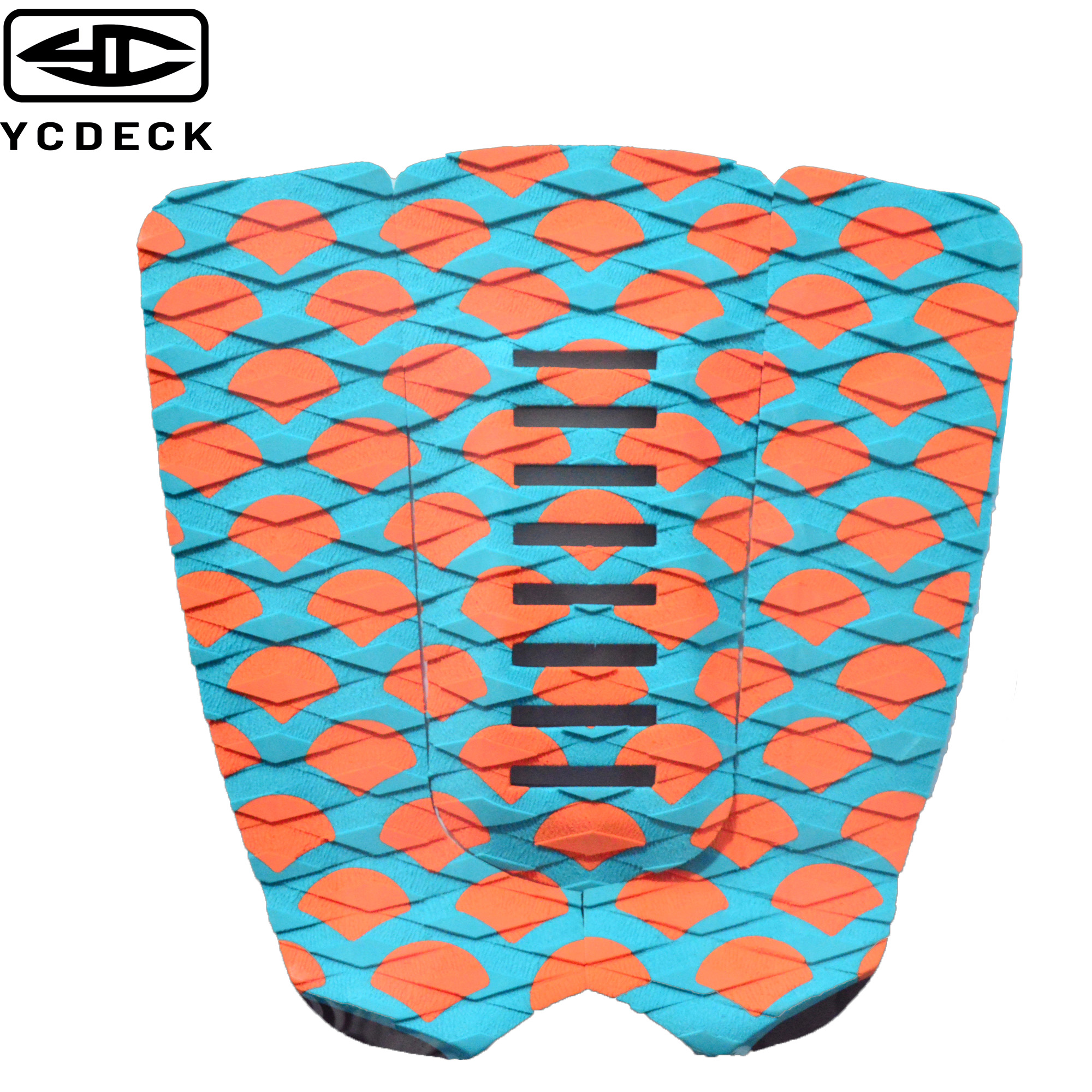
Surfing demands precision, balance, and unwavering grip on your board, especially when navigating powerful waves or performing critical maneuvers. The foundation of this control lies in selecting the right EVA surf traction pads, which serve as the crucial interface between your feet and the surfboard. High-density ethylene-vinyl acetate (EVA) foam has emerged as the gold standard for surf traction pads, offering superior durability, grip, and performance characteristics that serious surfers depend on. Understanding the key factors that differentiate premium EVA surf traction pads from inferior alternatives can significantly impact your surfing experience and progression in the water.
Material Density and Construction Quality
Understanding EVA Foam Density Specifications
The density of EVA foam directly correlates with the longevity and performance of surf traction pads. High-density EVA surf traction pads typically range between 35-45 Shore A hardness, providing the optimal balance between grip and durability. This density specification ensures that the pad maintains its structural integrity under repeated compression from foot pressure while delivering consistent traction throughout its lifespan. Lower density alternatives often compress permanently after extended use, creating uneven surfaces that compromise grip and comfort during critical surfing moments.
Premium manufacturers utilize closed-cell EVA foam construction, which prevents water absorption and maintains the pad's buoyancy characteristics. This construction method also enhances the material's resistance to UV degradation, salt water corrosion, and temperature fluctuations commonly encountered in marine environments. The cellular structure of high-density EVA ensures that each pad retains its original thickness and grip pattern even after months of intensive surfing sessions.
Multi-Layer Construction Benefits
Advanced EVA surf traction pads often incorporate multi-layer construction techniques that combine different foam densities for enhanced performance. The top layer features a softer, more textured EVA compound that maximizes grip and comfort, while the base layer utilizes a firmer density that provides structural support and adhesive bonding strength. This layered approach prevents the common issue of grip pattern wear that occurs with single-density pads over time.
The manufacturing process for high-quality EVA surf traction pads involves precision molding under controlled temperature and pressure conditions. This process ensures uniform density distribution throughout the pad and creates crisp, well-defined grip patterns that maintain their effectiveness throughout the product's lifespan. Inferior manufacturing processes often result in inconsistent density zones that create pressure points and reduce overall grip performance.
Grip Pattern Design and Functionality
Analyzing Optimal Grip Geometries
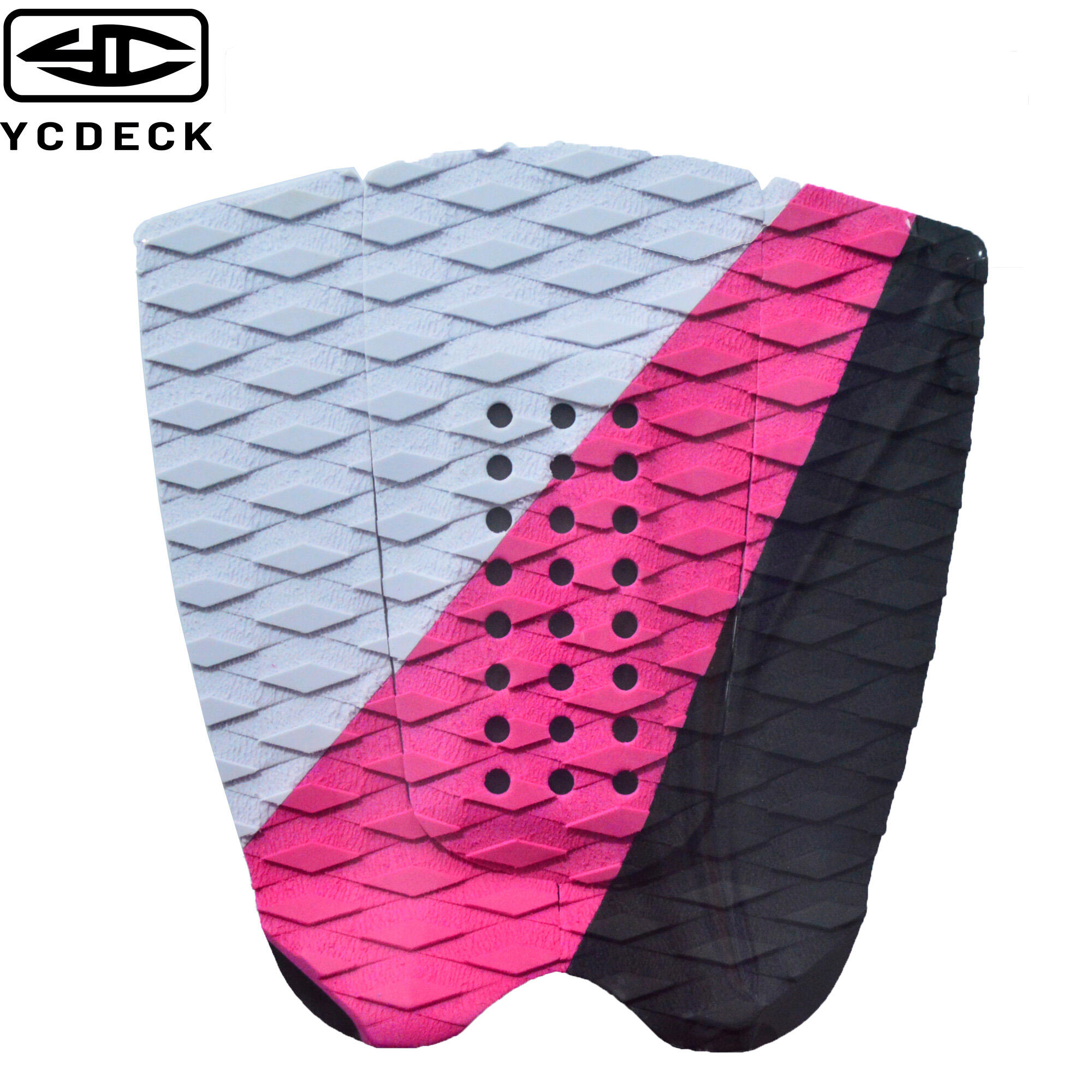
The grip pattern design on EVA surf traction pads plays a crucial role in determining foot placement security and maneuverability control. Diamond-shaped patterns have proven most effective for surfing applications, as they provide multidirectional grip that accommodates the varied foot angles required during different surfing maneuvers. These patterns typically feature raised elements between 2-4 millimeters in height, creating sufficient tactile feedback without causing discomfort during extended sessions.
Advanced grip pattern designs incorporate varying groove widths and depths to channel water away from the contact surface, maintaining consistent traction even in wet conditions. The spacing between grip elements should allow for natural foot flexion while preventing sand and debris accumulation that can reduce grip effectiveness. Quality EVA surf traction pads feature precisely engineered grip patterns that balance aggressive traction with comfort, ensuring surfers can maintain foot positioning without experiencing fatigue or pressure point discomfort.
Customizable Grip Zones
Professional-grade EVA surf traction pads often incorporate multiple grip zones with varying pattern intensities to accommodate different foot positions and surfing styles. The rear section typically features the most aggressive grip pattern to secure heel placement during powerful maneuvers, while the front sections utilize moderate grip patterns that allow for foot repositioning during ride adjustments. This zoned approach maximizes control while maintaining the flexibility necessary for advanced surfing techniques.
Some manufacturers design their EVA surf traction pads with modular sections that allow surfers to customize grip intensity based on personal preferences and board dimensions. These systems enable fine-tuning of traction characteristics without compromising the overall aesthetic or performance of the setup. The ability to adjust grip zones proves particularly valuable for surfers who use multiple boards or frequently change their surfing style based on wave conditions.
Adhesive Technology and Installation Considerations
Marine-Grade Adhesive Systems
The adhesive technology used in EVA surf traction pads determines both installation ease and long-term bonding reliability. Premium pads utilize marine-grade pressure-sensitive adhesives that create permanent bonds with surfboard surfaces while resisting salt water, UV exposure, and temperature cycling. These adhesive systems typically feature removable backing papers with grid patterns that facilitate precise alignment during installation.
High-quality adhesive formulations maintain their bonding strength across temperature ranges from freezing to tropical conditions, ensuring that EVA surf traction pads remain securely attached regardless of surfing location or season. The adhesive should penetrate slightly into both the pad material and board surface to create mechanical bonding that supplements the chemical adhesion. This dual bonding mechanism prevents edge lifting and delamination that commonly affects inferior traction pad installations.
Surface Preparation and Application Techniques
Proper surface preparation proves critical for achieving optimal adhesion with EVA surf traction pads. The surfboard surface must be thoroughly cleaned with degreasing solvents to remove wax residue, oils, and contaminants that can compromise adhesive bonding. Surface roughening with fine-grit sandpaper enhances mechanical bonding by increasing the contact area between the adhesive and board surface.
Installation of EVA surf traction pads requires careful attention to positioning and pressure application to achieve bubble-free bonding. The adhesive reaches full strength after 24-48 hours of curing time, during which the installation should remain undisturbed. Professional installers often use roller tools to ensure uniform pressure distribution across the entire pad surface, eliminating air pockets that can lead to premature failure or reduced grip performance.
Durability and Maintenance Requirements
UV Resistance and Color Stability
Extended sun exposure poses significant challenges for EVA surf traction pads, making UV resistance a critical selection factor. High-quality pads incorporate UV stabilizers and pigment systems that maintain color integrity and material properties despite prolonged solar radiation exposure. These additives prevent the brittleness and discoloration that affect lower-grade EVA materials after several months of use.
Premium EVA surf traction pads maintain their original flexibility and grip characteristics for multiple seasons when properly maintained. The UV stabilization process involves incorporating molecular-level protective compounds that absorb harmful radiation before it can degrade the polymer chains within the EVA material. This protection ensures consistent performance and appearance throughout the product's operational lifespan, providing better long-term value compared to cheaper alternatives.
Cleaning and Care Protocols
Maintaining optimal performance from EVA surf traction pads requires regular cleaning to remove salt deposits, sand particles, and organic buildup that can reduce grip effectiveness. Fresh water rinsing after each surf session prevents salt crystallization that can damage the grip pattern over time. Periodic deep cleaning with mild detergents removes embedded contaminants without affecting the EVA material or adhesive bonding.
Proper storage between surfing sessions helps extend the lifespan of EVA surf traction pads by preventing unnecessary UV exposure and physical damage. Avoiding contact with sharp objects and petroleum-based products preserves the grip pattern integrity and prevents premature wear. Regular inspection for edge lifting or grip pattern wear allows for timely replacement before performance degradation affects surfing safety or enjoyment.
Size and Shape Optimization
Board-Specific Dimensions
Selecting appropriately sized EVA surf traction pads requires consideration of board dimensions, surfer stance width, and riding style preferences. Standard pad configurations typically range from 300-350mm in length and 250-300mm in width, accommodating most surfboard tail sections and average stance widths. However, custom sizing options allow for precise fitting to specific board models and individual foot positioning requirements.
The tail kick height and angle significantly impact foot positioning and leverage during bottom turns and cutbacks. Most EVA surf traction pads feature tail kicks between 15-25mm in height with angles ranging from 30-45 degrees. These specifications provide adequate heel support for powerful maneuvers while maintaining comfort during extended rides. Adjustable or modular tail kick systems offer customization options for surfers with specific performance requirements or physical considerations.
Modular Design Advantages
Modular EVA surf traction pads provide installation flexibility and replacement convenience compared to single-piece designs. These systems typically include separate front, center, and tail sections that can be positioned independently to accommodate various board shapes and surfer preferences. The modular approach also allows for partial replacement of worn sections without discarding the entire pad system.
Advanced modular designs incorporate interlocking edge profiles that create seamless transitions between pad sections while maintaining consistent grip characteristics across the entire surface. This design approach eliminates gaps that can trap debris or create uncomfortable pressure points during foot repositioning. The ability to mix different grip patterns or densities within a modular system enables fine-tuning of traction characteristics for specific surfing applications or conditions.
Performance Testing and Quality Assurance
Industry Standard Testing Protocols
Reputable manufacturers subject their EVA surf traction pads to comprehensive testing protocols that evaluate grip performance, durability, and adhesive strength under simulated surfing conditions. These tests typically include abrasion resistance measurements, compression set evaluations, and accelerated aging studies that predict long-term performance characteristics. Standardized testing ensures consistent quality and helps surfers make informed decisions based on objective performance data.
Grip coefficient testing measures the traction force generated between wet feet and the pad surface under various pressure conditions. Premium EVA surf traction pads consistently achieve grip coefficients above 0.8 in wet conditions, providing the security necessary for aggressive surfing maneuvers. Temperature cycling tests verify that grip performance remains consistent across the temperature ranges commonly encountered during surfing activities.
Quality Control Certifications
Leading manufacturers implement quality management systems that ensure consistent production standards and material specifications for EVA surf traction pads. ISO certification and similar quality assurance programs provide verification that manufacturing processes meet international standards for consistency and reliability. These certifications indicate that the manufacturer maintains proper quality control procedures throughout the production process.
Environmental testing certifications verify that EVA surf traction pads meet safety standards for marine applications and do not contain harmful substances that could affect water quality or marine life. RoHS compliance and similar environmental standards ensure that the materials used in pad construction meet current regulations for sustainable manufacturing practices. These certifications provide assurance that the product meets both performance and environmental responsibility requirements.
Cost Analysis and Value Considerations
Initial Investment vs Long-Term Value
While premium EVA surf traction pads command higher initial prices compared to budget alternatives, the total cost of ownership often favors quality products due to their extended lifespan and consistent performance. High-quality pads typically last 2-3 times longer than budget alternatives while maintaining superior grip characteristics throughout their operational life. This durability advantage translates to lower per-session costs for active surfers.
The performance benefits of premium EVA surf traction pads can significantly impact surfing progression and enjoyment, providing value that extends beyond simple cost calculations. Consistent grip and reliable foot positioning enable surfers to attempt more challenging maneuvers with confidence, accelerating skill development and increasing session satisfaction. The safety benefits of reliable traction also reduce the risk of injuries caused by foot slippage during critical moments.
Replacement and Upgrade Considerations
Planning for EVA surf traction pad replacement involves monitoring grip pattern wear, edge condition, and overall adhesion integrity. Most quality pads provide clear visual indicators when replacement becomes necessary, such as worn grip patterns or lifting edges. Proactive replacement before complete failure ensures continuous optimal performance and prevents the frustration of compromised grip during important surfing sessions.
Upgrade opportunities arise as manufacturers introduce new technologies and improved designs for EVA surf traction pads. Staying informed about innovations in grip patterns, adhesive systems, and material formulations allows surfers to benefit from performance improvements when replacement time arrives. The modular design of some pad systems enables incremental upgrades without complete system replacement, providing cost-effective access to new technologies.
FAQ
How long do high-quality EVA surf traction pads typically last with regular use
High-quality EVA surf traction pads typically last 18-24 months with regular surfing activity, depending on session frequency, wave conditions, and maintenance practices. Premium pads with proper care can extend beyond two years while maintaining effective grip characteristics. Factors such as UV exposure, water temperature, and surfing style intensity influence the actual lifespan, with aggressive surfers potentially requiring replacement more frequently than recreational users.
Can EVA surf traction pads be safely removed and reinstalled on different boards
EVA surf traction pads are designed for permanent installation and cannot be safely removed and reinstalled without damaging either the pad or the surfboard surface. The marine-grade adhesives create permanent chemical bonds that typically result in pad material tearing or adhesive residue remaining on the board during removal attempts. Surfers requiring transferable traction solutions should consider temporary grip products or plan for separate pad installations on each board.
What is the difference between EVA and rubber traction pad materials
EVA foam offers superior durability, lighter weight, and better UV resistance compared to rubber alternatives, making it the preferred material for surf traction pads. EVA maintains consistent grip characteristics across temperature ranges while rubber can become slippery when cold or sticky when overheated. Additionally, EVA surf traction pads resist permanent compression and maintain their original thickness longer than rubber pads, providing more consistent performance throughout their lifespan.
How should the grip pattern orientation be positioned for optimal performance
The grip pattern on EVA surf traction pads should be oriented with the primary directional elements perpendicular to the surfboard's centerline to maximize lateral grip during turns and maneuvers. Diamond or cross-hatch patterns provide multidirectional traction that accommodates various foot angles during surfing. The most aggressive grip sections should be positioned where the heel typically contacts the pad, while moderate grip areas should align with forefoot placement zones for optimal balance between security and repositioning flexibility.
Table of Contents
- Material Density and Construction Quality
- Grip Pattern Design and Functionality
- Adhesive Technology and Installation Considerations
- Durability and Maintenance Requirements
- Size and Shape Optimization
- Performance Testing and Quality Assurance
- Cost Analysis and Value Considerations
-
FAQ
- How long do high-quality EVA surf traction pads typically last with regular use
- Can EVA surf traction pads be safely removed and reinstalled on different boards
- What is the difference between EVA and rubber traction pad materials
- How should the grip pattern orientation be positioned for optimal performance