EN
EN


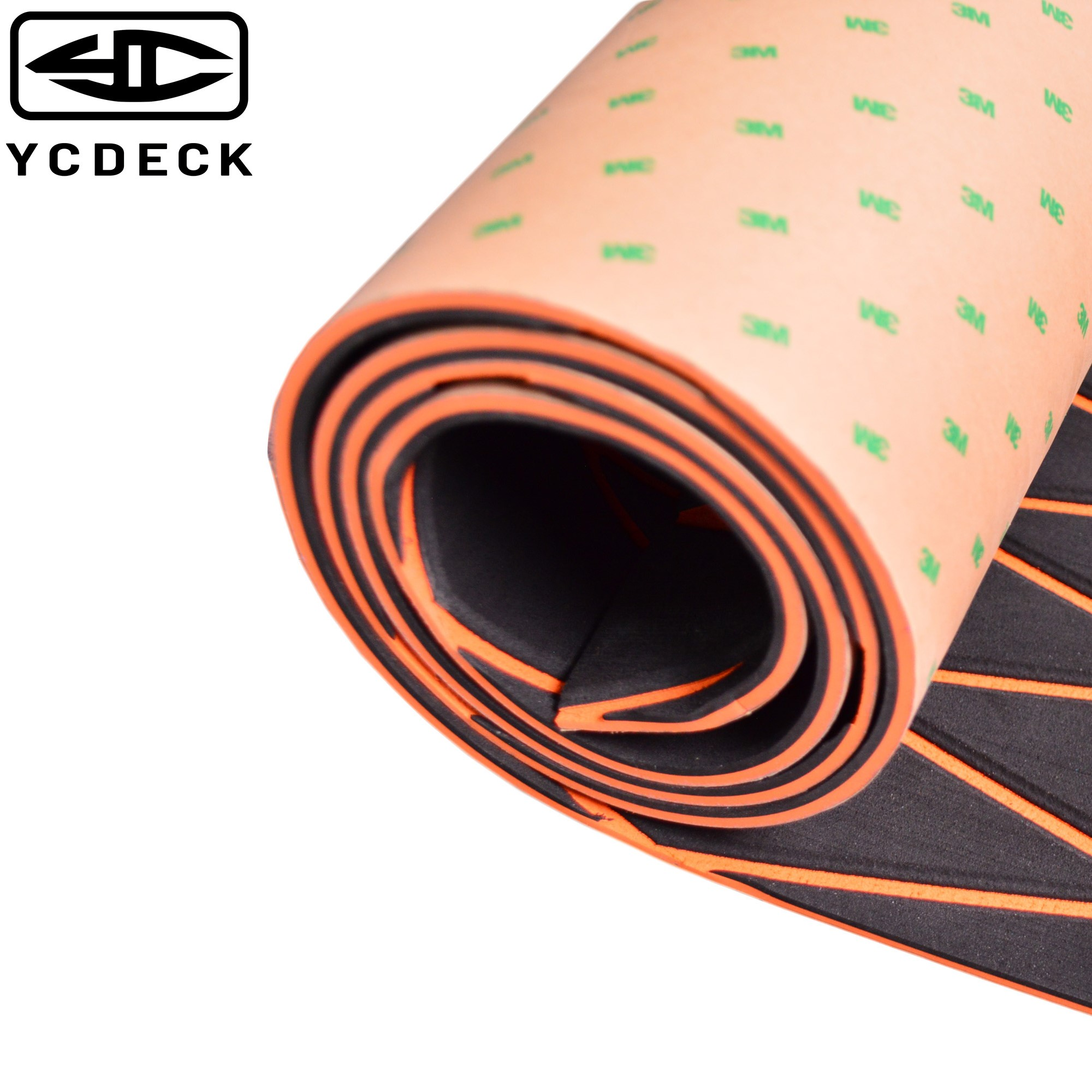
Selecting the optimal hardness level for EVA boat flooring represents one of the most critical decisions marine enthusiasts face when upgrading their vessel's deck surface. The hardness measurement, expressed in Shore durometer ratings of 45°, 55°, and 65°, directly impacts performance characteristics including grip, comfort, durability, and maintenance requirements. Understanding how these hardness variations affect your specific boating activities and vessel type ensures you invest in the most suitable EVA boat flooring solution for your maritime adventures.
Understanding Shore Durometer Ratings for Marine Applications
The Science Behind EVA Foam Hardness Measurements
Shore durometer testing provides standardized hardness measurements that determine how EVA boat flooring responds to pressure and impact. The durometer scale measures resistance to indentation, with higher numbers indicating firmer materials that resist compression. For marine applications, EVA boat flooring typically ranges from 35° to 70° Shore A, with the most popular options falling within the 45° to 65° range for optimal balance between comfort and performance.
Manufacturing processes directly influence the final hardness characteristics of EVA boat flooring products. Chemical cross-linking, foam density, and cell structure all contribute to the material's durometer rating. Premium EVA boat flooring manufacturers carefully control these variables to achieve consistent hardness levels that meet specific marine performance standards while maintaining long-term stability in harsh saltwater environments.
How Hardness Affects Performance Characteristics
The relationship between hardness and performance in EVA boat flooring applications follows predictable patterns that influence user experience. Softer materials around 45° Shore A provide superior shock absorption and comfort during extended periods on deck, making them ideal for recreational boating and leisure activities. These softer formulations excel in reducing fatigue and providing cushioning for bare feet or knees during maintenance tasks.
Conversely, harder EVA boat flooring materials at 65° Shore A deliver enhanced structural stability and resistance to permanent deformation under heavy loads. This increased firmness translates to better support for equipment, furniture, and high-traffic areas where dimensional stability remains crucial. The trade-off involves reduced cushioning properties, making harder surfaces less comfortable for prolonged standing or kneeling activities.
45° Shore Hardness EVA Boat Flooring Applications
Optimal Use Cases for Soft EVA Marine Surfaces
EVA boat flooring with 45° Shore hardness excels in recreational marine environments where comfort takes precedence over heavy-duty performance requirements. Yacht swim platforms, sun deck areas, and cockpit floors benefit significantly from this softer formulation's cushioning properties. The enhanced shock absorption reduces stress on joints and provides a more pleasant experience during leisurely activities like sunbathing, fishing, or entertaining guests aboard.
Small pleasure craft, pontoon boats, and sailboat companionways represent ideal applications for 45° hardness EVA boat flooring systems. These vessels typically experience moderate foot traffic and benefit from the improved slip resistance that softer materials provide when wet. The conformable nature of 45° EVA allows better surface contact with footwear, enhancing safety during normal marine operations while maintaining adequate durability for recreational use.
Performance Limitations of Ultra-Soft EVA Materials
While 45° hardness EVA boat flooring offers exceptional comfort, certain limitations must be considered for specific marine applications. The softer material shows increased susceptibility to permanent indentation from heavy objects, sharp edges, and concentrated loads. Fishing equipment, anchor hardware, and deck furniture can leave lasting impressions that compromise both aesthetics and long-term performance of the EVA boat flooring system.
Maintenance challenges also emerge with ultra-soft EVA boat flooring formulations, as the material's porosity and flexibility can trap contaminants more readily than firmer alternatives. Deep cleaning becomes more labor-intensive, and certain aggressive cleaning agents may cause surface degradation or discoloration. Additionally, the softer material may show accelerated wear patterns in high-traffic areas, potentially requiring more frequent replacement compared to harder EVA boat flooring options.
55° Shore Hardness for Balanced Marine Performance
The Sweet Spot for Versatile Boat Deck Applications
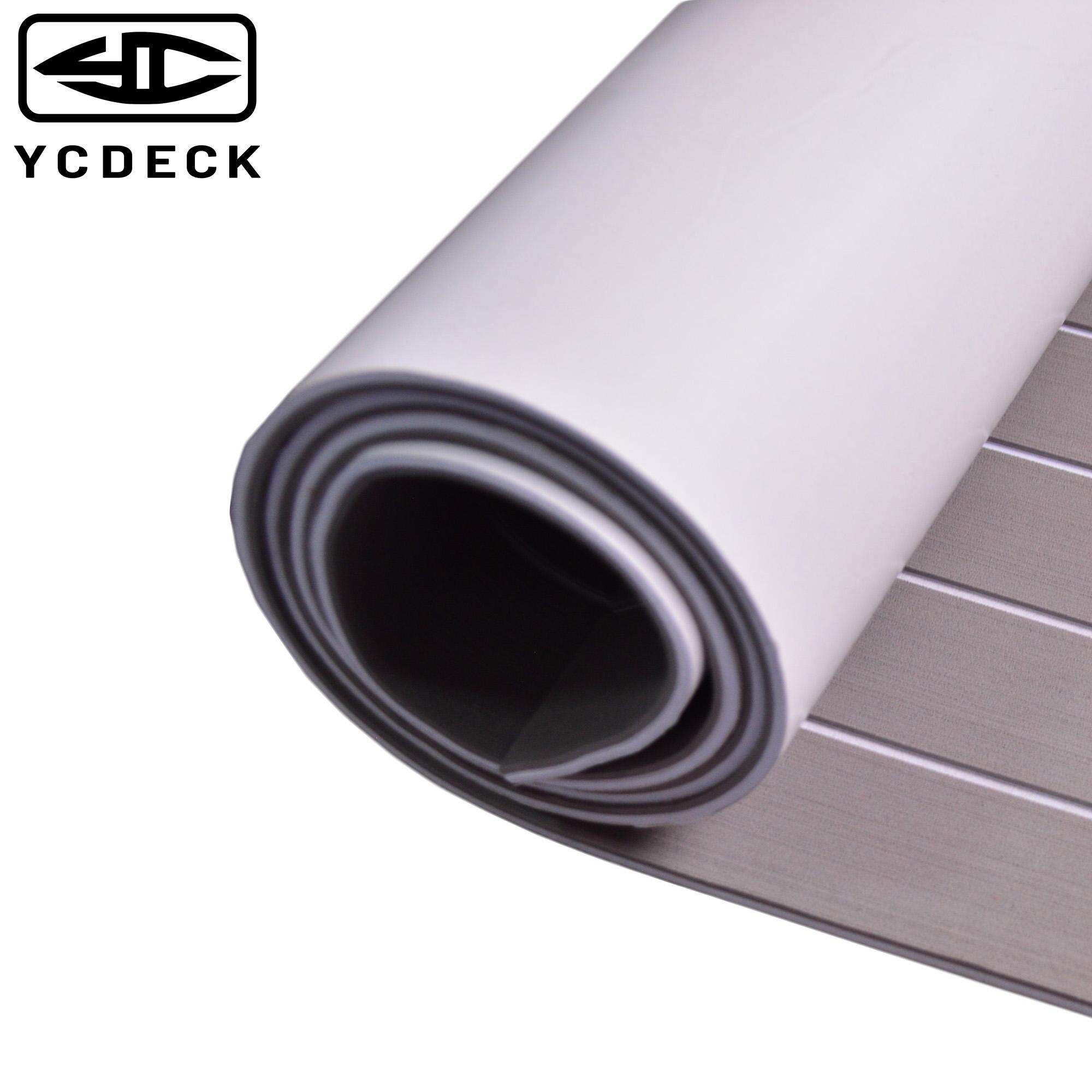
EVA boat flooring manufactured to 55° Shore hardness represents the optimal compromise between comfort and durability for most marine applications. This intermediate firmness level provides adequate cushioning for extended deck activities while maintaining sufficient structural integrity to resist permanent deformation under normal loads. The balanced properties make 55° hardness ideal for multi-purpose vessels that serve both recreational and light commercial functions.
Center console boats, sport fishing vessels, and medium-sized cruisers benefit tremendously from 55° hardness EVA boat flooring installations. These platforms experience varying load conditions, from bare feet during swimming activities to heavy fishing equipment and coolers during expedition trips. The 55° formulation adapts well to these diverse requirements while providing consistent performance across different temperature ranges and moisture conditions.
Installation and Maintenance Advantages
The moderate hardness of 55° EVA boat flooring facilitates easier installation procedures compared to both softer and harder alternatives. The material maintains sufficient flexibility for conforming to deck contours and slight irregularities while providing enough stability for precise cutting and fitting operations. Adhesive bonding performs optimally with this hardness level, creating reliable long-term attachments without excessive compression or inadequate surface contact.
Routine maintenance of 55° hardness EVA boat flooring strikes an excellent balance between ease of cleaning and resistance to wear. The surface accepts standard marine cleaning products without degradation while maintaining enough porosity to provide slip resistance when wet. Stain removal becomes more manageable than with softer materials, yet the surface remains comfortable enough for regular contact activities without causing discomfort or fatigue.
65° Shore Hardness for Heavy-Duty Marine Environments
Commercial and High-Performance Applications
EVA boat flooring engineered to 65° Shore hardness delivers maximum durability and dimensional stability for demanding marine environments. Commercial fishing vessels, work boats, and charter operations require flooring systems that withstand heavy equipment, frequent washing, and intensive daily use. The firmer material resists cutting, gouging, and permanent deformation while maintaining its structural properties under extreme loading conditions.
High-performance recreational vessels, including offshore racing boats and expedition yachts, also benefit from 65° hardness EVA boat flooring in specific applications. Engine compartments, equipment storage areas, and heavy-traffic walkways require the enhanced structural support that harder formulations provide. The reduced compression characteristics ensure that critical equipment remains properly supported and aligned during operation.
Trade-offs in Comfort and Installation Complexity
The enhanced durability of 65° hardness EVA boat flooring comes with notable compromises in comfort and installation flexibility. The firmer surface provides less cushioning for bare feet and knees, making extended periods on deck more fatiguing. This hardness level works best in applications where users wear appropriate footwear and where equipment performance takes precedence over user comfort.
Installation procedures for 65° EVA boat flooring require more precision and specialized tools compared to softer alternatives. The reduced flexibility demands careful surface preparation and may require mechanical fastening in addition to adhesive bonding for optimal performance. Cutting operations become more challenging, requiring sharp blades and steady technique to achieve clean, professional edges that maintain the material's integrity.
Environmental Factors Affecting Hardness Selection
Temperature Variations and Performance Impact
Temperature fluctuations significantly influence EVA boat flooring performance across different hardness levels, requiring careful consideration during selection. Softer 45° materials become more pliable in hot climates, potentially leading to excessive compression and reduced dimensional stability. Conversely, these same materials may become uncomfortably firm in cold conditions, reducing their cushioning benefits and slip resistance properties.
Harder 65° EVA boat flooring maintains more consistent properties across temperature ranges, making it suitable for vessels operating in extreme climates or seasonal conditions. However, the already firm surface becomes notably harder in cold weather, potentially creating safety concerns on wet decks. Understanding your vessel's typical operating environment helps determine which hardness level provides optimal year-round performance for your specific EVA boat flooring application.
UV Exposure and Long-Term Durability Considerations
Ultraviolet radiation affects EVA boat flooring materials differently based on their hardness characteristics and chemical formulation. Softer materials may show accelerated surface degradation under intense UV exposure, leading to chalking, discoloration, and reduced slip resistance over time. Premium EVA boat flooring manufacturers incorporate UV stabilizers, but harder formulations generally provide better long-term resistance to photodegradation.
The relationship between hardness and UV resistance becomes particularly important for vessels stored outdoors or operating in tropical regions with intense solar exposure. While all EVA boat flooring materials require proper maintenance and occasional replacement, harder formulations typically maintain their appearance and performance characteristics longer under extreme UV conditions, potentially providing better long-term value despite higher initial costs.
Installation Considerations for Different Hardness Levels
Surface Preparation Requirements
EVA boat flooring installation success depends heavily on proper surface preparation, with requirements varying based on material hardness. Softer 45° materials conform better to minor surface irregularities, making them more forgiving during installation on older or less-than-perfect deck surfaces. However, this flexibility can also mask underlying problems that may cause premature failure if not properly addressed.
Harder EVA boat flooring materials demand more precise surface preparation to ensure optimal adhesion and performance. The reduced conformability of 65° formulations requires smooth, level surfaces with minimal imperfections to achieve proper contact with adhesive systems. This increased preparation requirement may add time and cost to installation projects but typically results in longer-lasting, more professional-appearing installations.
Adhesive Compatibility and Bonding Techniques
The selection of appropriate adhesive systems for EVA boat flooring varies significantly with material hardness, affecting both initial bonding strength and long-term durability. Softer materials compress more readily under pressure, potentially creating thicker adhesive bond lines that may compromise strength and durability. Specialized adhesives formulated for flexible substrates often provide better results with 45° hardness materials.
Firmer EVA boat flooring materials accept a broader range of adhesive systems but require careful attention to application techniques and curing conditions. The reduced compression characteristics of harder materials create thinner, more consistent bond lines that typically provide superior long-term performance. However, the installation window may be reduced, requiring more experienced installers to achieve optimal results with harder EVA boat flooring formulations.
Cost Analysis and Value Considerations
Initial Investment Comparison
EVA boat flooring pricing varies based on hardness specifications, manufacturing complexity, and performance characteristics. Generally, softer 45° materials command lower initial costs due to simplified manufacturing processes and reduced raw material requirements. However, the potential for shorter service life in demanding applications may offset these initial savings through more frequent replacement needs.
Premium 65° hardness EVA boat flooring typically requires higher initial investment but delivers superior durability and dimensional stability in appropriate applications. The enhanced performance characteristics often justify the increased cost for commercial operators and serious recreational users who demand maximum reliability and longevity from their deck surface investments.
Long-Term Value and Replacement Considerations
Evaluating the total cost of ownership for different hardness levels requires consideration of maintenance requirements, replacement frequency, and performance degradation over time. Softer EVA boat flooring may require more frequent cleaning and earlier replacement in high-traffic applications, while harder materials maintain their appearance and performance longer under similar conditions.
The optimal hardness selection balances initial cost, expected service life, and performance requirements specific to your vessel and usage patterns. Professional marine contractors often recommend 55° hardness as the best overall value for most recreational applications, providing excellent performance characteristics at moderate cost with reasonable service life expectations under normal use conditions.
FAQ
What is the most popular hardness level for recreational boat EVA flooring
The 55° Shore hardness represents the most popular choice for recreational EVA boat flooring applications. This hardness level provides an optimal balance between comfort and durability, offering adequate cushioning for bare feet while maintaining sufficient firmness to resist permanent indentation from typical deck equipment. Most recreational boaters find 55° hardness provides the best overall performance for mixed-use applications including swimming, fishing, and general deck activities.
How does EVA boat flooring hardness affect slip resistance in wet conditions
Softer EVA boat flooring materials generally provide superior slip resistance when wet due to their ability to conform to footwear tread patterns and create better surface contact. However, the difference between 45°, 55°, and 65° hardness levels is relatively minimal in terms of wet-weather safety. All three hardness options provide excellent anti-slip properties compared to traditional fiberglass or painted surfaces, with proper texture design being more important than hardness for wet-weather performance.
Can different hardness levels of EVA boat flooring be mixed on the same vessel
Yes, many boat owners successfully combine different hardness levels of EVA boat flooring to optimize performance for specific deck areas. Common approaches include using softer 45° materials in cockpit and swim platform areas for comfort, 55° hardness for general deck areas, and 65° firmness in high-traffic walkways or equipment storage zones. This strategy allows customization of performance characteristics while maintaining visual continuity through color and texture coordination.
How long does EVA boat flooring last with different hardness levels
Service life for EVA boat flooring varies significantly based on hardness, usage patterns, and maintenance practices. Under normal recreational use, 45° materials typically last 3-5 years, 55° hardness provides 5-7 years of service, and 65° formulations may last 7-10 years or more. Commercial applications or high-traffic recreational use may reduce these timeframes by 25-40%. Proper installation, regular cleaning, and protection from UV exposure significantly extend service life regardless of hardness level.
Table of Contents
- Understanding Shore Durometer Ratings for Marine Applications
- 45° Shore Hardness EVA Boat Flooring Applications
- 55° Shore Hardness for Balanced Marine Performance
- 65° Shore Hardness for Heavy-Duty Marine Environments
- Environmental Factors Affecting Hardness Selection
- Installation Considerations for Different Hardness Levels
- Cost Analysis and Value Considerations
- FAQ